








The Deceptive Carpet of Wet Leaves
A blanket of wet leaves might look picturesque, but for a runner, it’s a significant hazard. These layers can be incredibly slippery, acting like a slick film over the asphalt or trail. More dangerously, they conceal what lies beneath. Potholes, uneven
pavers, loose stones, and protruding roots can be completely hidden, turning a confident stride into a potential trip or ankle twist. Runners should shorten their gait and slow their pace when crossing these leafy patches, focusing on foot placement rather than speed. Treating every leaf-covered section with caution is crucial, as you never know what hazard it might be masking.
Mastering the Monsoon Mud
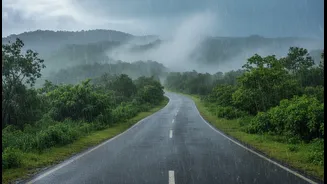
The trails and roads in and around Pachmarhi become notoriously muddy during the monsoon. This isn’t just about getting your shoes dirty; mud presents a dual challenge of slipperiness and energy drain. A slick patch can easily cause a fall, while thicker, clay-like mud can suck at your shoes, demanding far more energy with every step. To counter this, experts recommend trail-specific running shoes with deep, widely-spaced lugs for better grip. It’s also advised to run through the middle of puddles and muddy sections rather than trying to skirt the edges, which are often more slippery and unstable. Adopting shorter, quicker steps helps maintain your center of gravity and reduces the risk of a slip-induced muscle strain.
The Hidden Danger of Painted Markings
This is a hazard many runners overlook. The thermoplastic paint used for road markings—like center lines, zebra crossings, and shoulder lines—becomes exceptionally slippery when wet. The paint forms a smooth, non-porous surface that offers almost no traction. Rainwater sits on top of it, creating a dangerous film. The tiny glass beads mixed in the paint for reflectivity can also contribute to the slipperiness. Runners should make a conscious effort to avoid stepping directly on these painted lines, especially when taking corners or running downhill where momentum is higher. A slight adjustment in your path to ensure your foot lands on the more textured asphalt can prevent a sudden, unexpected fall.
Embracing the Elevation
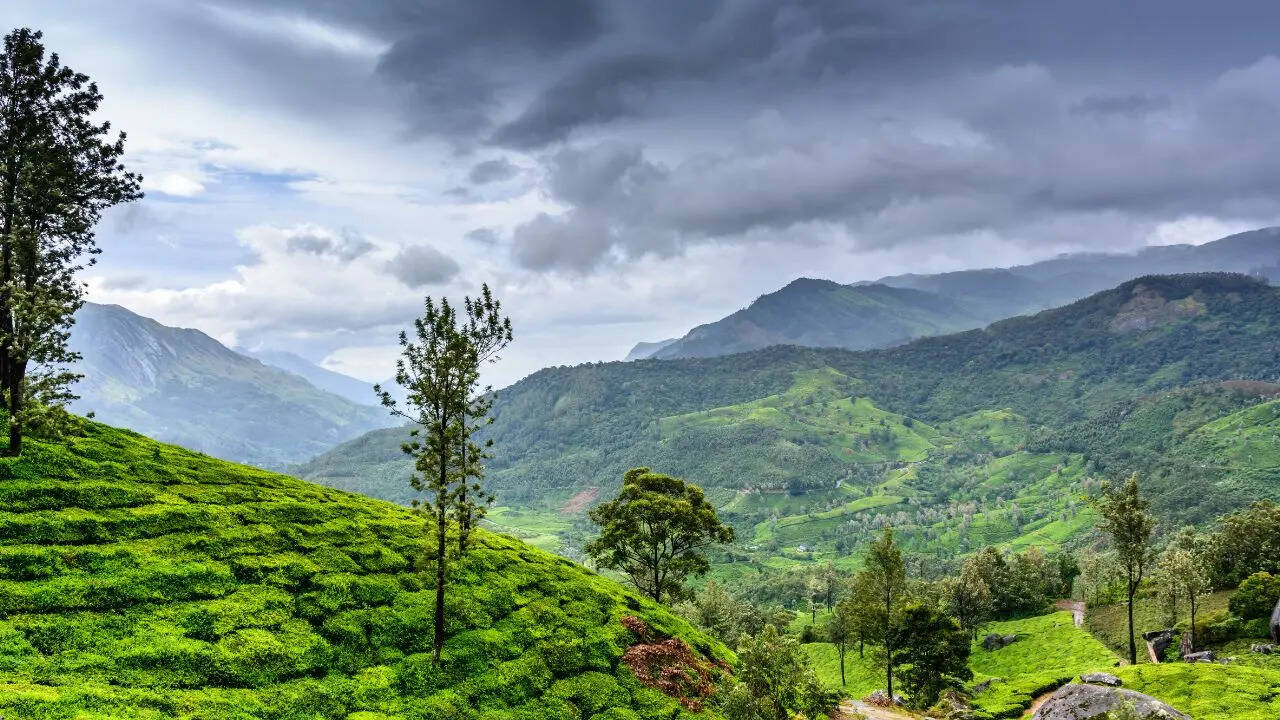
Pachmarhi is a hill station, and events like the Pachmarhi Monsoon Marathon are known for their challenging elevation gains. The full marathon route, for instance, involves a significant climb. When combined with wet conditions, these inclines and declines require a tactical approach. Uphill, focus on shorter strides and a steady rhythm. Downhill, resist the urge to over-stride and brake heavily with your heels, which increases the risk of slipping. Instead, lean slightly forward, keep your steps light and quick, and use your arms for balance. Proper pacing is essential to conserve energy for the climbs and maintain control on the descents.
Gear and Environmental Awareness
Beyond the terrain, the monsoon environment itself demands respect. High humidity can make breathing feel harder and accelerates fatigue. Dressing in moisture-wicking synthetic fabrics, rather than cotton, is essential to stay comfortable and prevent chafing. A brimmed hat can keep rain out of your eyes, improving visibility. Given the sometimes poor visibility in mist and rain, wearing bright or reflective clothing is a smart safety measure. Finally, be aware of your surroundings. The routes can pass through forested areas, so being mindful of potential wildlife encounters is part of the experience. Running with a partner or in a group is always a sensible precaution in such a dynamic natural environment.