





The September Weather Dilemma
September is a month of transition across Southeast Asia. For travellers, this means navigating the tail-end of one monsoon or the beginning of another. In both Sri Lanka and Vietnam, the weather you experience is highly dependent on where you are in the country.
A trip in September isn't about avoiding rain entirely; it's about choosing the region where sunshine is most likely and disruptions are minimal. Let's dive into what you can realistically expect from each destination.
Sri Lanka: A Tale of Two Monsoons
Sri Lanka has a uniquely complex weather system with two separate monsoon seasons affecting different parts of the island at different times. In September, the southwest monsoon, which drenches the popular southern and western coasts (home to Colombo, Galle, and Bentota), is nearing its end. This means you'll still face a high chance of rain, but showers are often short and intense, with more periods of sunshine compared to the preceding months. Conversely, the north and east coasts (Trincomalee, Arugam Bay) are finishing their dry season, making early to mid-September a great time to visit this region for beach weather. However, as the month progresses, the northeast monsoon begins to stir, increasing the likelihood of rain island-wide towards October.
Vietnam: A Clear North-South Divide
Vietnam's long, narrow geography creates distinct weather patterns from north to south in September. Northern Vietnam, including Hanoi and Sapa, is emerging from its rainy season. Late September is particularly pleasant as temperatures cool and rainfall decreases, making it ideal for trekking and sightseeing. Southern Vietnam (Ho Chi Minh City, Mekong Delta) is still in its monsoon season, characterized by warm, humid days with predictable, heavy afternoon downpours that usually clear quickly. The biggest concern for September travel in Vietnam is the central coast, which includes popular spots like Da Nang, Hoi An, and Hue. This region enters its peak typhoon season, with a high risk of heavy storms and flooding.
Storm Risk: Cyclones vs. Typhoons
This is a critical distinction. While both countries can experience tropical storms, the risk level in September is significantly different. For Vietnam, September and October are the months with the highest frequency of typhoons making landfall, especially along the central coast. These storms can bring strong winds and torrential rain, leading to travel disruptions like flight cancellations and cancelled Ha Long Bay cruises. Sri Lanka, on the other hand, has a lower risk of being directly hit by powerful cyclones in September. While the inter-monsoon period starting late in the month can bring windy and stormy conditions, it's generally less severe than the typhoons that can batter Vietnam's coast.
Travel Flexibility and On-the-Ground Realities
How easily can you adapt your plans if the weather turns? In Sri Lanka, the island's compact size offers an advantage. If the south coast is rainy, you can travel to the east coast or the central Cultural Triangle, which often remains drier, in a matter of hours by car or train. This makes spontaneous itinerary changes more feasible. In Vietnam, the vast distances between the northern, central, and southern regions mean that changing your plan involves booking internal flights. While transport is efficient, you can't easily pivot from a flooded Hoi An to a sunny Hanoi without advance planning. However, the weather in Vietnam is often more predictable in September: the north is improving, the south has afternoon rain, and the center is risky. This allows you to plan an itinerary focused on one region, like the north, with more confidence.
The Verdict: Which Destination Suits You?
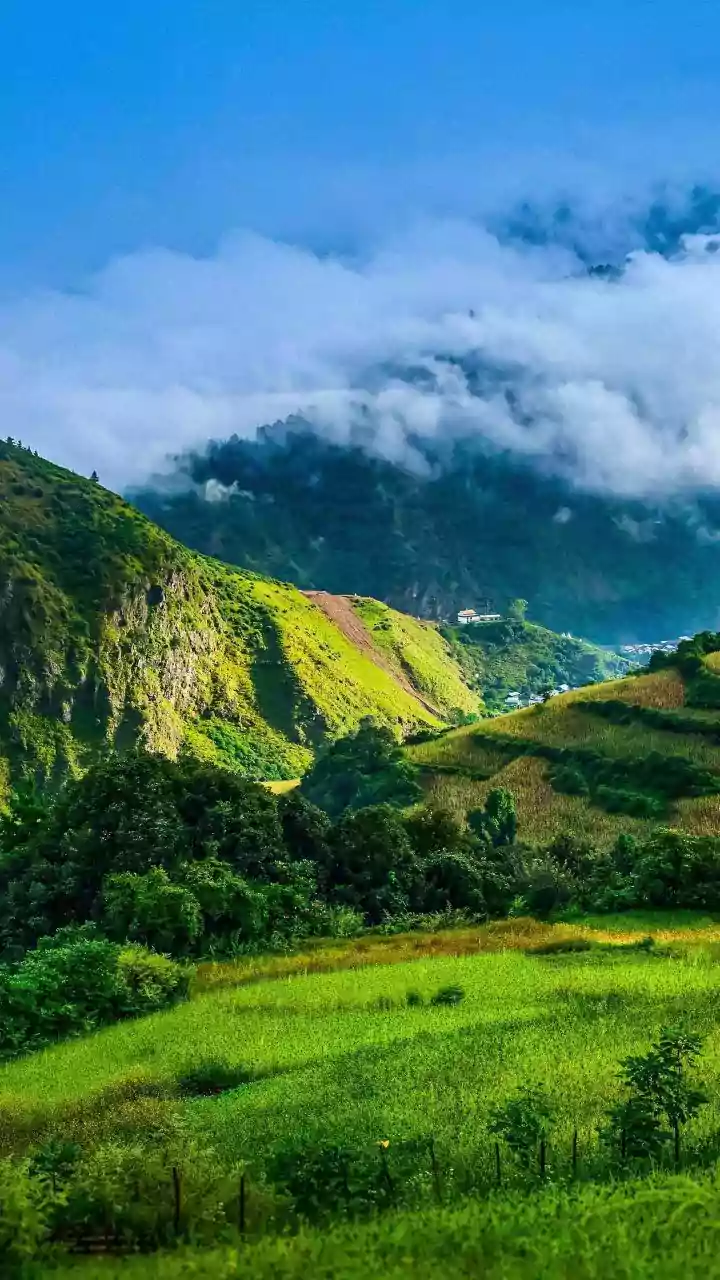
Your choice depends on your travel style and risk tolerance. Choose Sri Lanka if you want a flexible trip where you can change plans relatively easily to chase the sun. It's ideal for those who want to mix beaches, culture, and wildlife and don't mind the possibility of scattered showers, especially if you focus on the east coast. Choose Vietnam if you are happy to focus your itinerary on one region and want to take advantage of lower prices. Northern Vietnam, in particular, offers beautiful scenery with golden rice terraces and cooling weather late in the month. However, you must be prepared to avoid the central coast due to the significant and potentially trip-altering typhoon risk.