





What Exactly Is Freezer Burn?
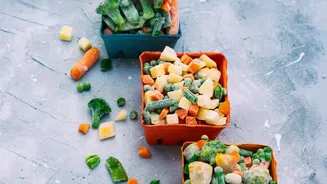
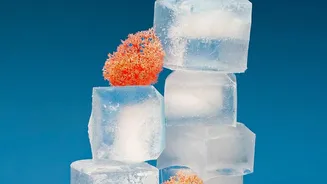
Freezer burn is essentially dehydration. It happens when moisture escapes from your frozen food and turns into ice crystals on the food's surface. This process, called sublimation, occurs when food is exposed to the cold, dry air inside your freezer,
often due to improper packaging. The result is dry, leathery, and discoloured patches—think grayish-brown spots on meat or shrivelled, dull-looking vegetables. While it looks unappetizing, freezer burn is a quality issue, not a safety one. The food's texture and flavour will be compromised, leaving it tough and bland, but it is generally safe to consume.
And What Is Spoilage?
Spoilage, on the other hand, is a serious safety concern. It’s caused by the growth of microorganisms like bacteria, yeasts, and moulds. While freezing significantly slows down this growth, it doesn't stop it completely, especially if your freezer temperature fluctuates or rises above 0°F (-18°C). Spoilage can also occur if food was already on its way out before being frozen or if it was thawed and refrozen improperly. The tell-tale signs of spoilage are very different from freezer burn and include a slimy or sticky texture, an off-putting sour or rancid smell, and significant colour changes that look unnatural, like greenish tones on meat. If you suspect spoilage, you should never taste the food to check; discard it immediately to avoid foodborne illness.
The Key Differences at a Glance
It can be easy to confuse the two, so here’s a quick guide. Freezer burn is caused by moisture loss (dehydration) due to air exposure. It looks like dry, discoloured patches or ice crystals. The food is safe to eat, but the texture and taste are poor. Spoilage is caused by microbial growth. It looks and feels slimy or has mould and smells foul. Spoiled food is unsafe to eat and must be thrown away. A simple rule is: freezer burn attacks quality, while spoilage attacks safety.
How to Prevent Freezer Burn and Spoilage
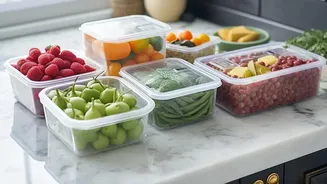
The best strategy is prevention, which helps you reduce waste and save money. The number one enemy of frozen food is air. Remove as much air as possible from freezer bags before sealing them. For solid items, wrap them tightly in plastic wrap or freezer paper before placing them in a bag or container. Vacuum sealers are an excellent investment if you freeze a lot of food. Always let hot food cool completely before freezing to prevent the freezer's temperature from rising and affecting other foods. Maintain a consistent freezer temperature at or below 0°F (-18°C) and try not to hold the door open for long periods. Finally, label everything with the contents and the date. This helps you practice the 'first-in, first-out' rule, ensuring that older items get used up before their quality degrades.