


The Next Great Leap: Sample Return
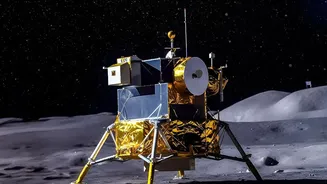
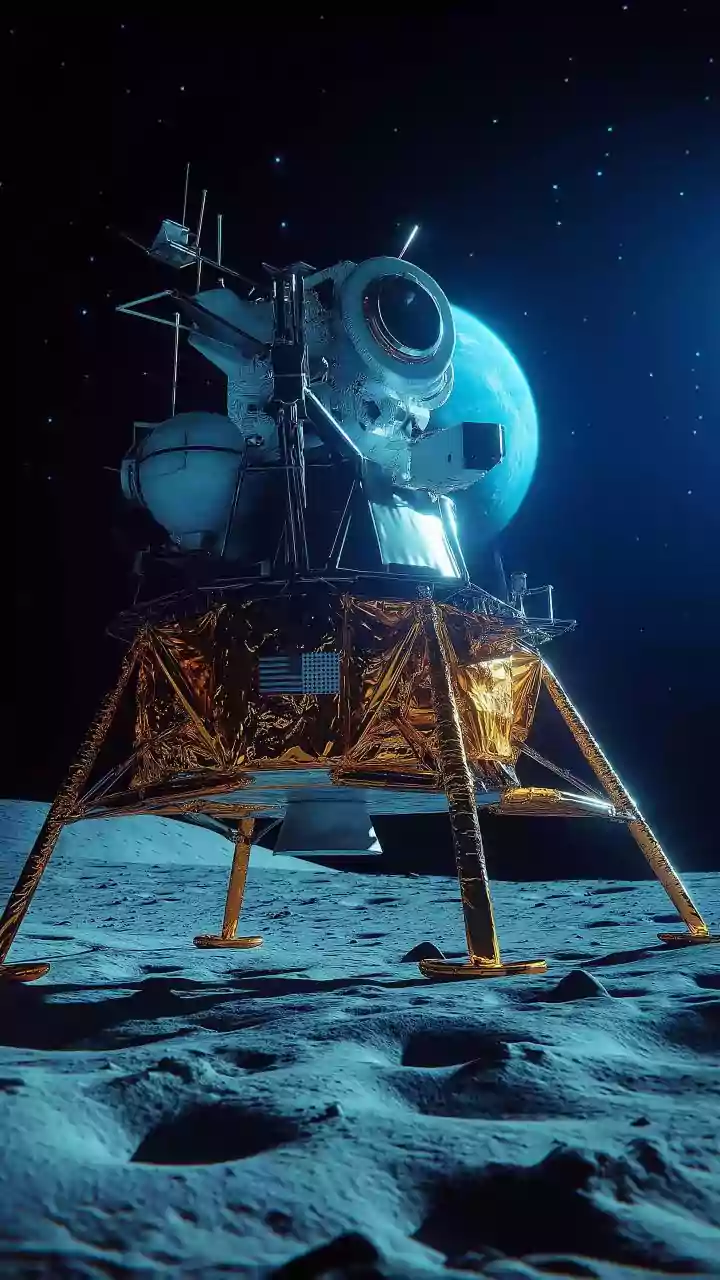
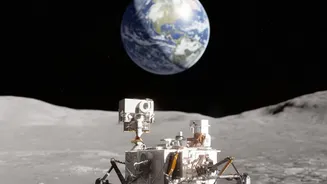
Landing a rover on the Moon was a monumental achievement, but bringing lunar soil back to Earth is exponentially more difficult. A sample-return mission, which only a few nations have ever accomplished, involves not just a soft landing but also collecting
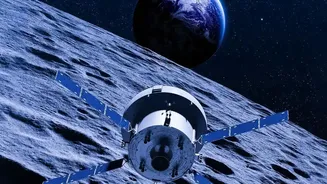
material, launching from the lunar surface, journeying back to Earth, and surviving a fiery atmospheric re-entry. ISRO's Chandrayaan-4 is designed to master these complex technologies, including robotic drilling, ascent from the Moon, and docking in lunar orbit. This mission serves as a critical stepping stone, paving the way for India's long-term vision of landing astronauts on the Moon by 2040 and establishing a sustained presence in space.
A Frozen Treasure: The Permanently Shadowed Craters
The mission's primary target is the Moon's south pole, a region of extreme contrasts. While some peaks are bathed in near-perpetual sunlight, the floors of many deep craters have not seen the Sun for billions of years. These areas, known as Permanently Shadowed Regions (PSRs), are among the coldest places in our solar system, with temperatures plunging as low as -223°C. Scientists believe these cosmic cold traps have preserved a treasure trove of volatiles—compounds that would otherwise evaporate in sunlight. The most prized of these is water ice. Chandrayaan-1 provided early evidence, and subsequent missions have confirmed that these dark craters likely hold significant deposits of water ice mixed with lunar soil.
Unlocking Secrets of the Solar System
Bringing these unique polar samples to Earth will allow scientists to conduct analyses far beyond the capabilities of any rover. Studying the water ice can help answer fundamental questions about the origin of water on Earth and across the solar system, as it may contain chemical signatures from ancient comets and asteroids. These frozen samples are essentially a pristine record of the early solar system. Beyond water, the soil could contain other trapped volatiles and minerals, offering clues about the Moon's geological history and the potential for finding precursors to life. The samples from the South Pole-Aitken basin, the largest and oldest impact crater on the Moon, could be particularly valuable for understanding the early bombardment history of our celestial neighborhood.
The Blueprint for a Lunar Future
The scientific quest is matched by a strategic one. The water ice locked in these craters is more than a historical artifact; it's a critical resource for future exploration. Water can be split into hydrogen and oxygen, providing breathable air for astronauts and, crucially, the components for rocket propellant. The ability to "live off the land" by mining lunar water could dramatically reduce the cost and complexity of deep-space missions. A lunar base could become a refueling station for missions to Mars and beyond. By studying these samples, ISRO will gain ground-truth data on the concentration and accessibility of this ice, informing the engineering and design of future habitats and resource utilization technologies.
A Test of Technological Prowess
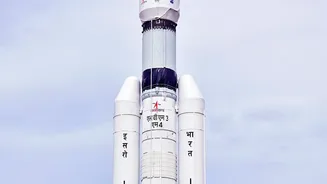
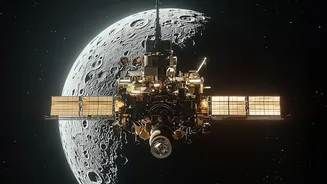
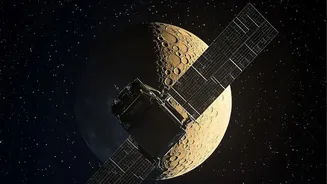
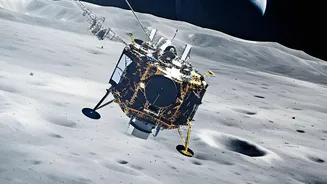
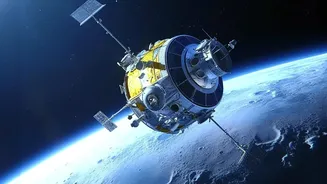
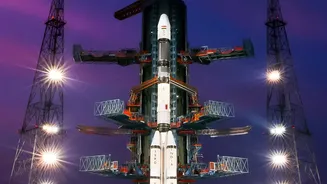
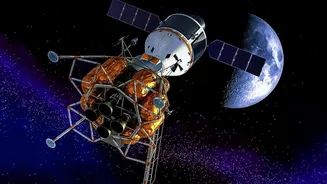
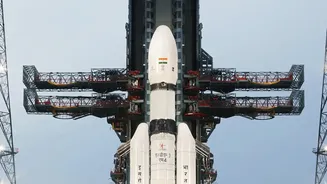
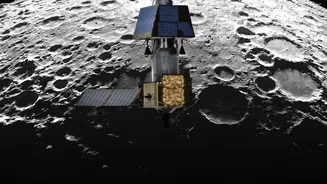
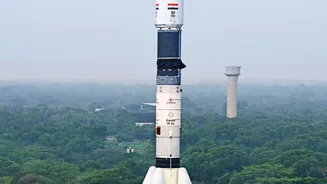
Chandrayaan-4 is a five-module mission of immense complexity, requiring two separate heavy-lift rocket launches. The modules must land precisely near a PSR, use a robotic arm and drill to collect soil, and then perform the first-ever ascent from the lunar surface for an Indian spacecraft. Once in lunar orbit, an ascender module will dock with a transfer module to hand off the precious cargo before it begins its long journey home. Each step, from operating in the extreme cold and darkness to executing a perfect re-entry, will test the limits of ISRO's capabilities and cement India's position as a leading global space power.