




The Science of the Cold Spot
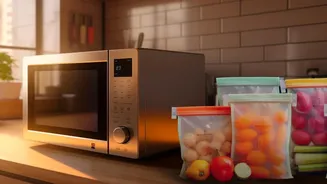
Microwave ovens work by using electromagnetic waves to excite polar molecules, especially water, within your food. This rapid vibration and friction generates heat. However, these microwaves don't always distribute themselves perfectly inside the oven chamber,
leading to the creation of standing waves—areas of high energy (hot spots) and low energy (cold spots). Furthermore, microwaves only penetrate food to a depth of about one to one-and-a-half inches. In thicker or denser foods, the exterior heats up from the microwaves, while the interior relies on conduction—heat spreading from the outer layers inward. This process is slower and often incomplete, leaving the centre lukewarm or even cold. Even microwaves with a rotating turntable can't completely eliminate these inconsistencies, especially in an oddly shaped or full dish.
More Than Just a Bad Bite
A cold spot in your reheated meal isn't just unpleasant; it's a potential health risk. Bacteria can grow rapidly in the 'danger zone' between 40°F (4°C) and 140°F (60°C). When you reheat leftovers, the goal is to get the entire dish to a safe internal temperature of at least 165°F (74°C) to kill any harmful bacteria that may have survived initial cooking or developed during storage. Cold spots are pockets where bacteria like Salmonella, Lister, or E. coli can survive and multiply, increasing the risk of foodborne illness. Simply warming food is not enough; it must be heated thoroughly all the way through to be considered safe to eat.
The Simple Fix: Strategic Stirring
The most effective way to combat cold spots is beautifully simple: stir your food. Pausing the reheating process midway through to give everything a good mix redistributes the contents of the dish. This action moves the colder portions from the centre to the hotter outer edges and brings the heated parts inward, promoting a more uniform temperature throughout. For solid items that can't be stirred, like a piece of chicken or a paneer tikka, rotating or flipping them over achieves the same goal. This small step ensures that all parts of the food are exposed to the microwave's energy, effectively eliminating those risky cold spots and ensuring every bite is safely and pleasantly heated.
Techniques for Different Foods
Different foods require slightly different approaches for the best results. For wet dishes like curries, dals, soups, and gravies, pausing to stir once or twice is essential. These foods should be brought to a rolling boil when possible to ensure they are fully heated. For rice, which can dry out easily, adding a tablespoon or two of water and covering the dish with a damp paper towel before heating helps create steam, which aids in even heating. For denser, layered dishes like biryani or vegetable lasagna, stirring might not be practical. In these cases, it’s best to use a lower power setting for a longer duration, allowing heat to penetrate to the centre more gently. Let the food stand for a minute or two after the timer goes off, as residual heat will continue to distribute and cook the food.
Beyond the Microwave
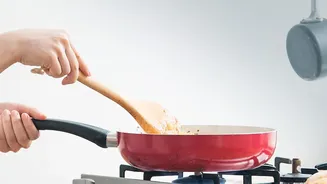
The principle of stirring isn't exclusive to microwaves. When reheating food on the stovetop, frequent stirring is crucial to prevent the bottom from scorching while the top remains cool. It helps distribute heat evenly and brings the entire mixture up to temperature safely. Similarly, when using an oven, denser items like casseroles or baked pasta dishes benefit from being stirred halfway through, if possible. If you can't stir the dish, covering it with foil can help trap steam and promote more even heating, preventing the top from drying out before the inside is hot. No matter the method, the goal remains the same: move the food around to ensure every last bit reaches a safe and consistent temperature.