








Yatra 2026: Key Dates and Registration
The Amarnath Yatra for 2026 is scheduled to take place from July 3 to August 28. Registration is mandatory for all pilgrims and opened on April 15, 2026. You can register either online through the official Shri Amarnathji Shrine Board (SASB) website (jksasb.nic.in)
or offline at designated bank branches of PNB, SBI, YES Bank, and J&K Bank. The registration fee is ₹150 per person. A crucial part of the process is obtaining a Compulsory Health Certificate (CHC) from an authorised doctor, which must be issued on or after April 8, 2026, for the yatra. All pilgrims must also get a mandatory RFID (Radio-Frequency Identification) card, which is collected from centres in Jammu or Srinagar before starting the trek.
Health and Fitness: Preparing for High Altitude
The Amarnath cave sits at a high altitude of 3,888 metres (12,756 feet), and the trek is physically demanding. To participate, pilgrims must be between the ages of 13 and 70. Pregnant women beyond six weeks are not permitted to undertake the journey. Physical fitness is non-negotiable. The SASB recommends preparing at least a month in advance by walking 4-5 kilometres daily and practising deep breathing exercises like pranayama to improve your body's oxygen efficiency. Due to the high altitude, there is a significant risk of Acute Mountain Sickness (AMS). To combat this, it's vital to stay hydrated, consume enough carbohydrates, and acclimatise properly by ascending slowly.
Choosing Your Route: Pahalgam vs. Baltal
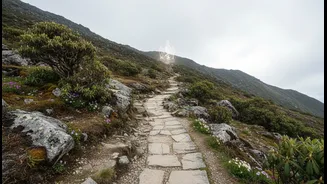
Pilgrims have two main routes to reach the holy cave: the traditional Pahalgam route and the shorter Baltal route. The Pahalgam route is longer, spanning about 46-48 km, and typically takes 3-5 days to complete. Its gradual ascent makes it more suitable for first-timers, families, and those who wish to soak in the scenic Himalayan landscapes. The trek starts from Chandanwari and passes through key points like Pissu Top, Sheshnag, and Panchtarni. The Baltal route is much shorter, around 14 km one-way, and can be completed in 1-2 days. However, it is very steep and challenging, recommended only for very fit and experienced trekkers. Your choice should depend on your fitness level, time availability, and desired pilgrimage experience.
Essential Packing List
Packing correctly is crucial for a safe and comfortable yatra. Given the unpredictable mountain weather, layering is key. Your packing list should include adequate woollen clothing, thermals, a waterproof jacket, and sturdy, waterproof trekking shoes with good grip. Other essentials include a windcheater, gloves, a woollen cap (like a balaclava), and several pairs of woollen socks. For personal items, carry sunscreen, moisturiser, a basic first-aid kit with your personal medications, and toiletries. A walking stick provides stability, and a small backpack (35-40 litres) is ideal for carrying your essentials. Remember to carry your original ID proof, Yatra Permit, and CHC with you at all times.
Important Dos and Don'ts on the Trail
The Shri Amarnathji Shrine Board has issued strict guidelines for the safety and well-being of pilgrims. Do travel in a group and always keep your porters or ponies in sight. Stick to the designated tracks and do not attempt any shortcuts, as they can be dangerous. Drink about 5 litres of fluid daily to stay hydrated and avoid AMS. Don't consume alcohol, smoke, or drink caffeinated beverages, as they can worsen dehydration and altitude sickness. Respect the environment; use of plastics is banned, and you must dispose of all waste in the proper bins. If you feel any symptoms of altitude sickness like dizziness, headache, or nausea, immediately descend to a lower altitude and seek medical help at the nearest facility, located every 2 km along the route.