







Why Your Skin Feels Different
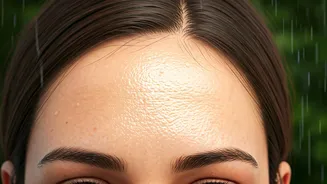
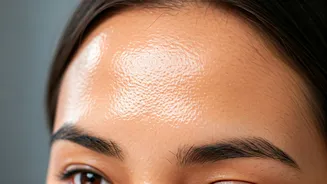
The sticky, humid air of the monsoon is the primary culprit. High humidity means the air is saturated with moisture, preventing sweat from evaporating off your skin. This trapped sweat mixes with your skin's natural oils (sebum) and dead skin cells, creating
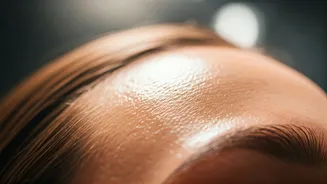
a perfect storm for clogged pores, blackheads, and acne. This environment is also an ideal breeding ground for bacteria and fungi, which can lead to infections and inflammation. For those with already oily or combination skin, this season can be particularly challenging as the skin tends to overproduce oil to compensate for perceived imbalances, leading to a perpetually shiny look.
Start with a Proper Cleanse
While it’s tempting to wash your face multiple times a day to combat the grease, over-cleansing can be counterproductive. Stripping your skin of its natural oils can trigger it to produce even more sebum. Instead, stick to cleansing twice daily with a gentle, non-comedogenic cleanser. Look for gel-based formulas, especially those containing salicylic acid. Salicylic acid is oil-soluble, meaning it can penetrate deep into pores to dissolve the mix of oil and dead skin that causes breakouts, making it a hero ingredient for the season.
Exfoliate, But Gently
Regular exfoliation is key to sloughing off the dead skin cells that contribute to clogged pores, but gentleness is paramount. Harsh physical scrubs can irritate skin that is already reactive due to the humidity. Instead, opt for chemical exfoliants containing Alpha Hydroxy Acids (AHAs) or Beta Hydroxy Acids (BHAs) once or twice a week. These ingredients work to dissolve the bonds holding dead skin cells to the surface, promoting a brighter complexion and preventing congestion without causing micro-tears or inflammation.
Target Problems with a Serum
This is where you can truly customise your routine. If oil control is your biggest concern, a serum containing niacinamide (a form of Vitamin B3) is a must-have. It's known to regulate sebum production, reduce the appearance of pores, and calm inflammation. For tackling dark spots left by previous breakouts, a Vitamin C serum can help brighten the skin and provide antioxidant protection against environmental damage. The key is to choose lightweight, water-based serums that absorb quickly without leaving a heavy film on the skin.
Yes, You Still Need to Moisturise
Skipping moisturiser in humid weather is one of the most common skincare mistakes. When your skin lacks hydration, its oil glands go into overdrive to compensate, making you even greasier. The solution isn't to skip this step, but to switch your product. Ditch heavy creams for lightweight, oil-free, and non-comedogenic formulas. Gel-based moisturisers containing humectants like hyaluronic acid are perfect for the monsoon. They deliver intense hydration by drawing moisture from the air into your skin, leaving it plump and balanced without a sticky residue.
Don't Skip the Sunscreen
Just because the sky is grey and overcast doesn't mean you're safe from the sun's harmful UV rays. Up to 80% of UV radiation can penetrate through clouds, causing premature ageing, tanning, and worsening pigmentation from acne scars. Wearing a broad-spectrum sunscreen with at least SPF 30 is non-negotiable, even on rainy days. Look for gel-based or matte-finish sunscreens that are formulated for oily skin to avoid adding extra shine. These modern formulas are lightweight and comfortable for daily wear.
Weekly Rituals for Extra Care
Incorporate a clay mask into your routine once a week. Ingredients like kaolin or bentonite clay are excellent for drawing out deep-seated impurities, absorbing excess oil, and detoxifying the pores. This can be a relaxing and effective way to reset your skin. Also, pay attention to lifestyle factors. Change your pillowcase frequently as humidity can cause a build-up of bacteria, and try to avoid touching your face throughout the day to prevent transferring dirt and oils.