






From Global Trends to Local Roots
For years, the Indian fitness landscape was dominated by global trends. Aerobics classes, Zumba sessions, and a gym culture centered on machines and isolated muscle-building were the gold standard. But a quiet rebellion is brewing, led by a generation
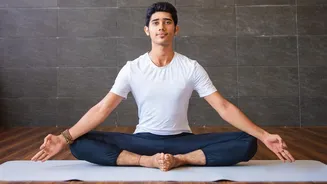
seeking authenticity over aesthetics. Gen Z and younger millennials are shifting their focus from generic, one-size-fits-all workouts to practices that feel more connected to their identity and heritage. This isn't just about physical exercise; it's a form of cultural reclamation. They are looking for functional strength and holistic well-being, values that have been at the core of traditional Indian physical culture for centuries.
The Power of the Gada
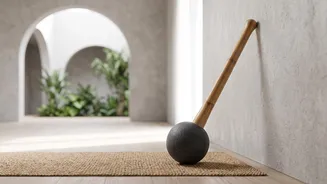
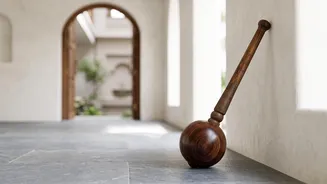
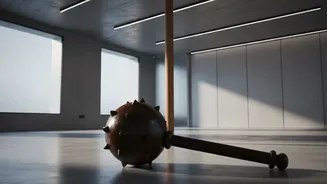
One of the most visually striking symbols of this revival is the Gada, or heavy mace. Historically wielded by gods like Hanuman and warriors in the Mahabharata, the Gada was a staple training tool in traditional wrestling schools known as 'akhadas'. Unlike a dumbbell or barbell with balanced weight, a Gada's mass is concentrated at one end. This forces the user to engage their entire kinetic chain, building rotational power, a rock-solid core, and incredible grip strength. Modern fitness experts are now recognizing its benefits for improving shoulder mobility and joint stability, making it a powerful tool for everyone from professional athletes to desk workers looking to counteract the effects of sitting all day.
The Gravity-Defying Art of Mallakhamb
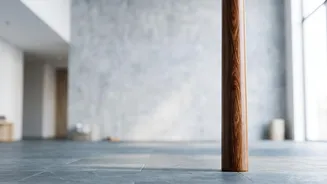
Another practice experiencing a resurgence is Mallakhamb, a spectacular discipline that combines elements of gymnastics, yoga, and wrestling on a vertical wooden pole or rope. The name itself translates to “wrestler’s pole,” highlighting its origins as a training method for pehlwans (wrestlers) to develop agility, grip, and endurance. Far from being just for elite athletes, Mallakhamb is being embraced for its full-body workout that enhances strength, flexibility, balance, and mental focus. Today, it’s not only a competitive sport recognized at the National Games of India but is also being adopted in modern gyms and by fitness enthusiasts looking for a dynamic and challenging way to train.
Why Now? The Gen Z Effect
So, what's driving this trend? For Gen Z, fitness is an extension of their identity. This is a generation that values authenticity and social connection. The turn towards traditional practices is partly a rejection of overly commercialized Western wellness and a desire to connect with something more meaningful. Social media plays a huge role; the visual, skill-based nature of exercises like Mallakhamb and Gada swings are perfect for Instagram Reels and YouTube tutorials. Influencers and modern coaches are translating these ancient forms for a new audience, moving them from the mud pits of the akhada to mainstream fitness studios. This approach aligns with a broader shift where younger people are seeking holistic health that integrates mental and even spiritual well-being, a concept inherent in many of these traditional disciplines.
The New-Look Akhada
The modern interpretation of these exercises doesn't always mean abandoning the old ways. Instead, it's about integration. Fitness experts are blending traditional bodyweight movements like 'dands' (push-ups) and 'baithaks' (squats) into contemporary circuit training. The focus is on functional fitness—strength that translates to real-life movements, rather than just aesthetics. This hybrid model makes these time-tested workouts more accessible. You no longer need to join a traditional akhada to benefit from its wisdom; you can find Gada workouts in a CrossFit box or learn Mallakhamb basics in a city studio, proving that ancient wisdom can have a powerful place in modern life.