




Why the Monsoon Magnifies Food Risks
The rainy season's signature humidity is the main culprit behind increased food spoilage. This damp, warm environment is the perfect breeding ground for bacteria like E. coli and Salmonella to multiply rapidly on food, especially cooked meals left at room
temperature. Frequent power cuts can also compromise refrigeration, while contaminated water sources increase the risk of germs entering the kitchen. Food that would be safe for longer in drier seasons can become risky in just a couple of hours. Bacteria can double in number every 20 minutes in the 'danger zone' between 40°F (4°C) and 140°F (60°C). Therefore, correctly storing and reheating food isn't just about taste—it's a critical health measure during the monsoon.
The Golden Rules of Reheating
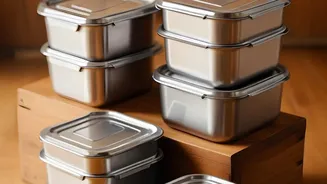
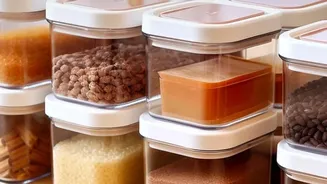
To ensure your leftovers are safe, follow a few key principles. First, always cool cooked food quickly. Don't leave it on the counter for more than two hours; store it in airtight containers in the refrigerator as soon as possible. When you're ready to eat, reheat the food until it is steaming hot all the way through, reaching an internal temperature of at least 165°F (74°C). This temperature is sufficient to kill most harmful bacteria. Use a stovetop or oven for the most even heating. If using a microwave, cover the food and stir it midway to eliminate cold spots where bacteria can survive. Crucially, avoid reheating the same meal multiple times, as each cycle of cooling and heating increases the opportunity for bacterial growth.
Reheating Rice: A Special Case
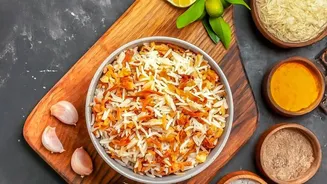
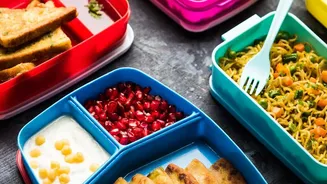
Rice requires special attention due to a bacterium called Bacillus cereus. Its spores can survive the initial cooking process. If cooked rice is left at room temperature, these spores can germinate and produce toxins that cause food poisoning, sometimes known as "reheated rice syndrome." The frightening part is that reheating does not destroy these toxins once they have formed. The only way to stay safe is to prevent the bacteria from multiplying in the first place. Cool cooked rice within an hour, store it in the fridge, and consume it within 24 hours. When reheating, ensure it is steaming hot throughout. If rice has been left out for more than two hours, it is safest to discard it.
Curries, Dals, and Sabzis
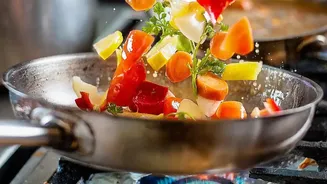
Saucy dishes like dals and curries generally reheat well. The best method is on the stovetop over a medium heat, stirring occasionally until it reaches a rolling boil or is piping hot. This ensures even temperature distribution. If the curry or dal has thickened in the fridge, add a splash of water to restore its original consistency. For cream or coconut-based curries, use a lower heat and stir gently to prevent the sauce from splitting. In a microwave, use a covered dish and heat in short bursts, stirring in between to ensure the centre gets as hot as the edges. This is particularly important for dense dishes like dal makhani or paneer butter masala.
Handling Meat, Poultry, and Fish
Meat, poultry, and fish are high-risk foods that must be handled with care. Always store them separately from other foods in the refrigerator to prevent cross-contamination. When reheating, it is vital to ensure they reach an internal temperature of 165°F (74°C). An oven is often best for dishes like tandoori chicken; wrapping it in foil can help retain moisture. For curries with meat, the stovetop method works well. Pay close attention to the texture and smell; if anything seems off, it's better to be safe and discard the food. Seafood is particularly perishable, and extra caution should be exercised, especially during the monsoon when it is often the breeding season for marine life, increasing contamination risks.
Foods You Should Think Twice About Reheating
Not all foods are suitable for a second heating. Leafy greens like spinach or palak can lose their texture and nutritional value. Furthermore, reheating them can sometimes lead to the conversion of nitrates into potentially harmful nitrites. While the risk depends on quantity and frequency, it's something to be aware of. Similarly, dishes with mushrooms can have their proteins degrade upon reheating, which may cause an upset stomach. Eggs, whether boiled or scrambled, can become rubbery and are best eaten fresh. Finally, avoid reheating oils; repeatedly heating cooking oil at high temperatures can create harmful compounds. It's best to use fresh oil for tempering or frying each time.