

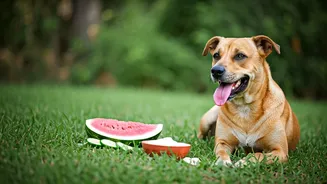


What Are Fresh Canine Meals?
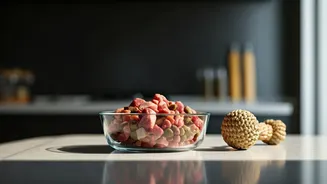
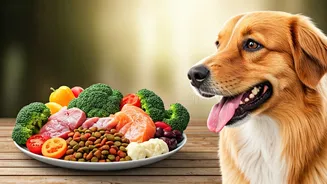
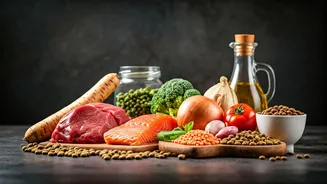
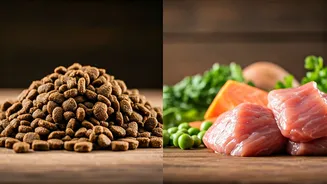
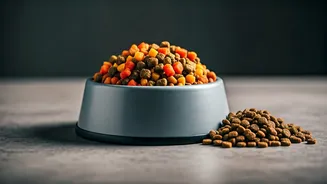
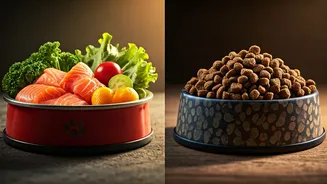
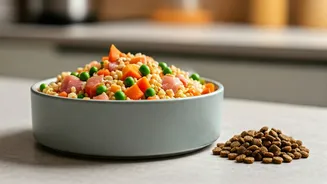
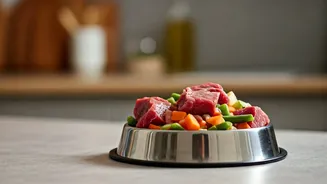
Unlike highly processed dry kibble, which is cooked at extreme temperatures and designed for a long shelf life, fresh dog food is fundamentally different. It consists of human-grade ingredients like real meat (chicken, lamb, fish), vegetables (pumpkin,
carrots, beans), and healthy grains or seeds. These ingredients are gently cooked at lower temperatures to preserve their natural nutrients and kill harmful bacteria, then portioned and refrigerated or frozen. The result is a meal with no artificial preservatives or fillers, a high moisture content of around 70% (compared to kibble's 10%), and recognizable ingredients. It's the difference between a home-cooked meal and a dry biscuit, designed with precise nutritional science.
The 'Vet-Approved' Stamp of Quality
The term "vet-approved" is more than just marketing. It signifies that the meal formulas are created or reviewed by veterinary nutritionists to be complete and balanced. This ensures the food meets established nutritional standards (like AAFCO guidelines) for a dog's specific life stage, whether they are a puppy, adult, or senior. A properly formulated fresh diet provides the correct ratios of protein, fats, carbohydrates, vitamins, and minerals. This scientific backing is crucial, as an unbalanced diet—even a fresh one like plain chicken and rice—can lead to nutritional deficiencies over time. The vet-approved seal provides confidence that the meal is not just fresh, but also nutritionally sound.
Visible Health Upgrades You Can Expect
Pet parents who transition their dogs to a fresh diet often report a predictable and welcome series of health improvements. One of the first changes is typically better digestion. Because fresh food is more bioavailable, more nutrients are absorbed by the body, resulting in smaller, firmer, and less odorous stools. Another key benefit is improved skin and coat health. The high-quality proteins and essential fatty acids (like Omega-3 and -6) in fresh ingredients help reduce dryness, itching, and excessive shedding, leading to a glossier, healthier coat. Many owners also notice a boost in their dog's energy levels, as the easily digestible nutrients provide more readily available fuel.
Why It Matters in the Indian Context
The benefits of fresh food are particularly relevant for dogs in India. The high moisture content is a major advantage in a hot climate, helping to combat the mild, chronic dehydration that can affect kibble-fed dogs. Furthermore, common health issues in India like skin allergies and digestive sensitivities can often be managed or improved with a cleaner, preservative-free diet. While traditional home-cooked diets like roti, rice, and milk are given with love, they are often nutritionally incomplete and high in carbohydrates, leading to long-term health problems. Vet-approved fresh food offers the wholesomeness of home food with the scientific rigour of a balanced diet.
Making a Safe and Successful Switch
Transitioning to a new food should always be done gradually to avoid digestive upset. The standard recommendation is a 7-day plan. Start by mixing a small amount of the new fresh food (about 25%) with your dog's old food (75%) for a couple of days. Slowly increase the proportion of fresh food every two days, until you have fully replaced the old food by day seven. During this period, monitor your dog's stools, energy, and appetite. A little plain curd or pumpkin can help soothe a sensitive stomach during the change. It's also wise to stick to a single protein source for the first week to let your dog's system adapt before introducing more variety.