





More Than Just Nostalgia
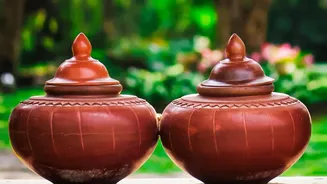
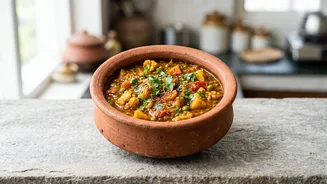
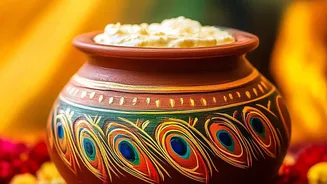
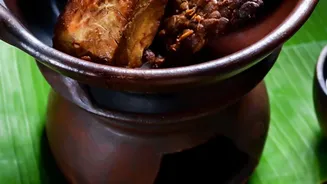
The resurgence of clay pot cooking is not just about nostalgia; it's a conscious choice for a more mindful lifestyle. For centuries, before the advent of aluminium and non-stick pans, earthenware was the cornerstone of kitchens across India and the globe.
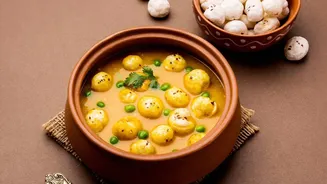
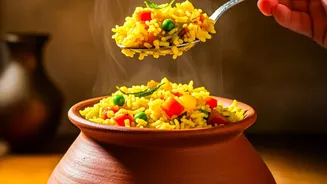
Enthusiasts are rediscovering that this traditional method offers a host of benefits that modern cookware often overlooks. From the fragrant biryanis slow-cooked in a sealed handi to the everyday dal that tastes richer and more complex, cooking in clay is an act of connecting with a slower, more deliberate culinary heritage that prioritizes depth of flavour and well-being.
The Science of Superior Flavour
The magic of clay pot cooking lies in its unique physical properties. Clay is porous, allowing heat and moisture to circulate evenly throughout the vessel. This creates a gentle, uniform cooking environment, quite different from the direct, sometimes harsh, heat of metal pans. This slow-and-steady process allows food to cook in its own juices, retaining moisture and resulting in exceptionally tender dishes. Furthermore, the porous walls trap steam, which then condenses and drips back into the food, creating a self-basting effect that locks in aromas and allows spices to penetrate deeply. This means less oil is often needed, as the pot's natural properties prevent food from drying out.
Maximising Nutritional Value
The gentle heat of a clay pot is not only good for flavour, but it's also kinder to the food's nutritional content. High-heat cooking can destroy delicate, heat-sensitive vitamins and minerals present in fresh, organic produce. Clay pot cooking, by maintaining a lower, more consistent temperature, helps preserve these vital nutrients. The ability to retain moisture and cook food without needing excessive water or oil also means that water-soluble nutrients are less likely to be lost. Some studies and traditional beliefs also suggest that pure, unglazed clay can impart trace minerals like calcium, iron, and magnesium into the food during the cooking process.
A Choice for Personal and Planetary Health
One of the most compelling reasons for the renewed interest in clay pots is their eco-friendly profile. Made from natural, locally sourced earth, they are completely biodegradable and have a far smaller environmental footprint than industrially produced metal cookware. Unlike non-stick pans, which can release harmful chemicals like PFOA and PTFE when scratched or overheated, unglazed clay pots are free from toxic elements. This provides a chemically-safe cooking surface. Additionally, many users find food cooked in clay pots easier to digest. Clay is naturally alkaline, and it is believed to help neutralize the acidity in foods like tomatoes or tamarind, which can make meals gentler on the stomach.
Getting Started with Earthenware
Using a clay pot does require a little more care, but the rewards are well worth it. Before its first use, a new pot must be 'seasoned'. This typically involves soaking it in water, often overnight, to condition the clay and prevent cracking. Some traditions also suggest curing it with starch water (from rinsing rice) or rubbing it with oil. When cooking, it's crucial to avoid sudden temperature changes—always start on low heat and increase it gradually. For cleaning, avoid soap, which can be absorbed by the porous clay; instead, use hot water and a gentle scrub. With proper care, a clay pot can be a cherished and long-lasting tool in your kitchen.