



The Science of a Slippery Floor
It might seem like just a bit of dirt, but the risk is more complex than that. When fine particles of potting soil mix with water, they create a lubricant-like film on non-porous surfaces like ceramic or porcelain tiles. This muddy mixture drastically
reduces the friction between your footwear and the floor, making a slip dangerously easy. The problem is magnified because potting soil contains organic matter, which can hold moisture. If left uncleaned, this damp, nutrient-rich patch becomes an ideal breeding ground for algae, which appears as a green or black film and is notoriously slippery, even when the initial soil spill is gone. This combination of soil and potential algae growth turns a simple spill into a persistent safety issue.
Prevention: Your First Line of Defence
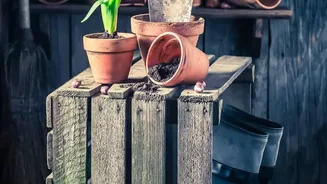
The best way to avoid a fall is to stop the mess before it starts. Proper drainage is key to a clean and safe balcony garden. Ensure every pot has adequate drainage holes. To prevent soil from washing out through these holes, consider placing a piece of a coffee filter or a small mesh screen inside the pot before adding soil. Using saucers or trays under your pots is another essential step to catch any water runoff and minor soil spillage. For better airflow and to prevent water from pooling underneath, you can elevate your pots slightly using 'pot feet' or small blocks. This helps the base of the pot and the floor beneath it dry out more quickly, reducing the risk of both slippery runoff and algae growth. Choosing a high-quality, well-draining potting mix can also help manage moisture effectively.
A Step-by-Step Cleaning Guide
When a spill does happen, cleaning it properly is crucial. First, if the soil is dry, sweep it up thoroughly with a stiff brush and dustpan. This prevents you from turning dry dust into wet mud. For wet soil or muddy smears, the approach is different. Start by scooping up as much of the solid material as you can. Then, create a simple cleaning solution by mixing warm water with a few drops of mild dish soap. Apply this to the affected area and scrub with a soft-bristled brush in a circular motion, which is effective for lifting grime from tiles. Be cautious, as the soapy water can make the area very slippery while you clean. Once the area is scrubbed, rinse it thoroughly with clean water to remove all soap residue, which can also be slippery if left behind. Finally, allow the floor to dry completely before walking on it.
Tackling Stains and Stubborn Algae
Sometimes, a soil spill can leave behind a stubborn stain or kick-start algae growth. For general stains on ceramic or porcelain tiles, a paste of baking soda and water can be an effective and gentle abrasive. For more persistent green or black algae spots, a solution of equal parts white vinegar and water can work wonders. Simply spray it on, let it sit for about ten minutes, scrub with a brush, and then rinse thoroughly. However, it's important to note that vinegar should not be used on natural stone tiles like marble or limestone, as the acid can damage the surface. Regular cleaning is the best way to prevent algae from taking hold in the first place, so incorporating a weekly sweep and spot-clean into your routine can make a big difference.