




The Desi Superfood You Already Know
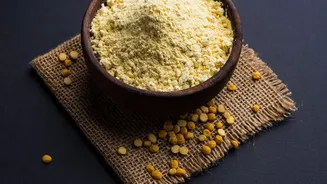
Sattu is a humble yet powerful ingredient with deep roots in Indian cuisine, particularly in states like Bihar, Jharkhand, and Uttar Pradesh. Often called the 'poor man's protein,' this flour is traditionally made from roasted Bengal gram (chana), which
gives it a distinct nutty flavour. This roasting process is key; it not only enhances the taste but also makes the nutrients more digestible. For generations, it has been a go-to source of sustained energy for farmers and labourers, typically consumed as a simple, cooling drink. Now, this age-old staple is being rediscovered as a superfood that fits perfectly into modern, health-conscious lifestyles.
A Plant-Based Protein Powerhouse
One of sattu's most celebrated attributes is its impressive protein content. A 100-gram serving of sattu packs around 20-25 grams of high-quality plant-based protein, a figure comparable to many commercial protein powders. Starting your day with a protein-rich meal is crucial for several reasons. It promotes satiety, keeping you feeling full and satisfied for longer, which helps curb mid-morning snack cravings. Protein is also essential for muscle repair and maintenance, making a sattu smoothie bowl an excellent post-workout breakfast. For vegetarians and vegans, sattu provides an affordable and effective way to meet daily protein requirements.
Beyond Just Protein: A Nutritional Treasure
While the protein is a major draw, sattu’s benefits don't stop there. It is exceptionally rich in dietary fibre, with some varieties containing up to 18 grams per 100g. This high fibre content is fantastic for digestive health, promoting regular bowel movements and nourishing beneficial gut bacteria. Furthermore, sattu has a low glycemic index (GI), meaning it releases sugar into the bloodstream slowly. This prevents the sharp energy spikes and subsequent crashes associated with high-GI breakfast foods like refined cereals or white bread, providing you with stable, sustained energy. It is also a good source of essential minerals like iron and magnesium, which support energy levels and muscle function.
Why a Smoothie Bowl is the Perfect Format
While a traditional sattu drink is refreshing, transforming it into a smoothie bowl elevates it from a simple beverage to a complete, satisfying meal. Blending sattu with a liquid base like yogurt, buttermilk, or plant-based milk creates a thick, creamy texture that’s perfect for a bowl. This format allows for the addition of endless toppings that boost both flavour and nutritional value. Think fresh fruits for vitamins and antioxidants, nuts and seeds for healthy fats and extra protein, and a drizzle of honey or jaggery for natural sweetness. This turns your breakfast into a well-rounded meal with a delightful mix of textures and a broader nutrient profile.
Crafting Your Ideal Sattu Bowl
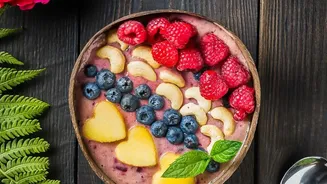
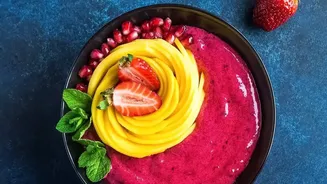
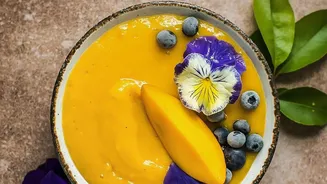
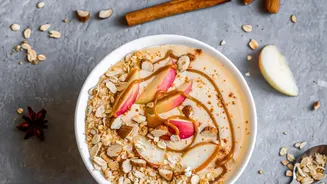
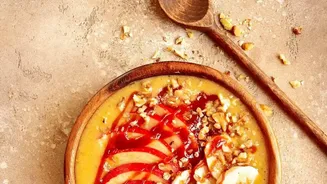
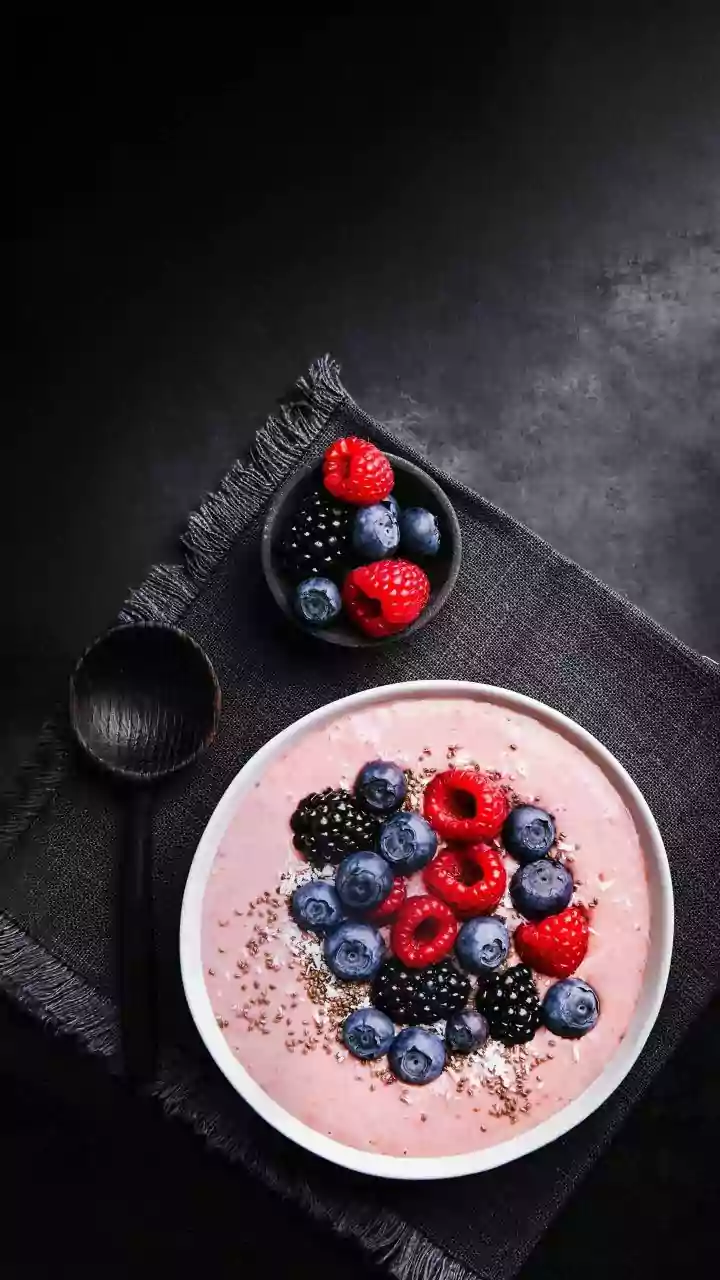
Making a sattu smoothie bowl is simple and highly customizable. Start with a base of 2-3 tablespoons of sattu flour. In a blender, combine it with a liquid of your choice—about a cup of curd, almond milk, or regular milk works well. Add a natural sweetener like a ripe banana, a couple of dates, or a teaspoon of honey. You can also add a spoonful of peanut butter for extra protein and creaminess. Blend until the mixture is smooth and thick. Pour it into a bowl and get creative with your toppings. Sliced bananas, pomegranate seeds, chopped almonds, and a sprinkle of chia or pumpkin seeds are all excellent choices that add texture, nutrients, and visual appeal.