

What is Mobility, Exactly?
You have likely heard the terms flexibility and mobility used interchangeably, but they are not the same thing. Flexibility is the ability of your muscles to stretch passively. Mobility, on the other hand, is your ability to actively control your joints
and move them through their full, intended range of motion. It’s the difference between being able to pull your leg into a stretch versus being able to smoothly lift and swing that leg as you walk. Mobility is about controlled, functional movement, and it’s the foundation for everything from getting out of bed without stiffness to striding powerfully and pain-free on a long walk. This active control is crucial for preventing injury and maintaining a healthy, independent life.
The 10-Minute Advantage
The beauty of the 10-minute mobility trend is its accessibility. A short, focused session is long enough to activate key muscle groups and lubricate the joints without causing fatigue before your main activity. This brief commitment makes it significantly easier to build a consistent habit. Ten minutes a day is an achievable goal that can be done first thing in the morning to ease stiffness, as a break from sitting at a desk, or, most effectively for walkers, as a dedicated warm-up. Experts suggest this short duration can make a meaningful difference in flexibility and overall function, reducing tightness and preparing the body for whatever you have planned.
A Perfect Partner for Walking
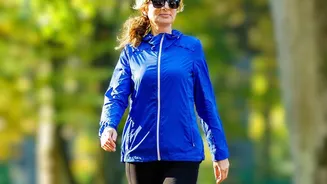
Walking is a fantastic low-impact exercise, but it can be improved. Many people walk with muscle imbalances or joint stiffness they might not even be aware of, which can lead to discomfort or injury over time. A pre-walk mobility routine directly addresses this. By focusing on areas crucial for your gait, like the hips, spine, and ankles, you prepare your body for more efficient movement. Activating your glutes and core while mobilizing your hip joints helps stabilize your pelvis and powers your leg drive as you walk. Similarly, ensuring your thoracic spine can rotate and your ankles have good range of motion helps your body move as a coordinated system, reducing strain on your lower back and knees. This preparation not only makes your walk feel smoother but also helps prevent common aches and pains.
Key Moves for Your Routine
You don’t need any special equipment to start a mobility routine. These simple bodyweight movements are perfect for walkers. Aim for slow, controlled motions rather than speed. Cat-Cow: Start on your hands and knees. Inhale as you drop your belly and look up, creating a curve in your spine. Exhale as you round your back, tucking your chin to your chest. This move improves spinal mobility. Hip Circles: Standing tall, lift one knee and slowly make large circles with your hip, first clockwise, then counter-clockwise. This lubricates the hip joint, which is central to walking and running. Ankle Rotations: While sitting or standing, lift one foot off the ground and slowly rotate your ankle in both directions. This is vital for preparing your feet and ankles to handle uneven terrain and absorb impact. Thoracic Spine Rotations: From a hands-and-knees position, place one hand behind your head. Rotate your elbow and upper body toward the ceiling, then bring it down to touch your opposite elbow. This move is key for improving posture and allowing your upper body to rotate naturally as you walk.
Putting It All Together
The best time to do your mobility work is right before your walk. Think of it as waking up your body and reminding your joints and muscles how they are supposed to move. Find a comfortable space, move without pushing into pain, and focus on the feeling of creating space and control in your joints. You can perform a set number of repetitions for each exercise, such as 5-10 reps per side, or move through a flow for a set amount of time. The goal is to feel looser, more connected, and better prepared for the miles ahead. A daily 10-minute habit is a commitment to your long-term health, helping to ensure you can keep doing the activities you love, like walking, for years to come.