






The Appeal of Texture and Detail
There’s a reason grooved and detailed surfaces are timeless design choices. They catch the light, create visual interest, and add a sense of depth and craftsmanship to a room. Think of the clean, classic lines of Shaker cabinets, the charming vertical
rhythm of beadboard panelling, the stately presence of detailed crown moulding, or the trendy fluted surfaces on sideboards and vanities. These elements elevate a space from plain to polished, providing a tactile and visual texture that flat surfaces simply can’t match. They speak to a sense of tradition and quality, making a house feel more like a home.
Why Grooves are Dust Magnets
The very design feature that makes these pieces beautiful is also their biggest maintenance challenge. Dust isn't picky, but it is opportunistic. Grooves, crevices, and sharp-angled corners create areas of still air where airborne particles—dust, pollen, pet dander, and fabric fibres—can settle and accumulate undisturbed. Unlike a flat surface where air currents might keep particles moving, these nooks and crannies act as tiny traps. In kitchens, the problem is compounded. Airborne grease particles from cooking become sticky, creating a tacky film on cabinet grooves that dust clings to, forming a stubborn, grimy layer that’s much harder to remove than dry dust alone.
More Than Just an Eyesore
A dusty groove is more than a cosmetic issue. For many, it's a health concern. These dust collection points can become reservoirs for allergens, potentially triggering reactions in sensitive individuals. Furthermore, if left for too long, the build-up can become compacted and difficult to remove without potentially damaging the finish of the paint or wood. Neglecting the tops of wainscoting or the recessed panels on doors can lead to a permanent-looking layer of grey that dulls the overall appearance of your home. Regular cleaning isn't just about tidiness; it's about preserving the quality of your home and maintaining good indoor air quality.
Your Essential Cleaning Toolkit
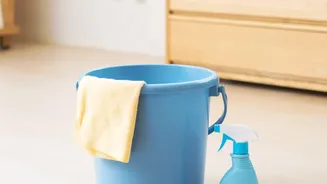
Fighting dust in grooves doesn't require an arsenal of expensive products. The right tools, however, are non-negotiable. Start with a dry-cleaning approach to remove loose particles. A soft-bristled brush is your best friend here; an old, clean makeup brush, a soft-bristled paintbrush, or even a car detailing brush can get into tight corners without scratching the surface. A vacuum cleaner with a soft brush attachment is excellent for a first pass over larger areas like wainscoting. Microfiber cloths are essential for the next step, as they trap dust rather than just moving it around. For stubborn grime, a simple solution of warm water with a few drops of mild dish soap is highly effective and safe for most sealed surfaces.
A Simple, Effective Cleaning Strategy
The most effective method is a two-step process: dry, then damp. First, use your soft brush or vacuum attachment to gently dislodge and remove all the loose, dry dust. Always work from the top down to avoid knocking dust onto an area you've already cleaned. Once the loose debris is gone, you can tackle any remaining grime. Dampen a microfiber cloth in your mild soapy water solution, wringing it out so it's not dripping wet. Wipe down the grooves, applying gentle pressure. For very tight spaces, you can wrap the cloth around the tip of a dull knife or a credit card. Immediately follow up with a clean, dry cloth to remove any moisture, which is especially important for wood to prevent warping or damage to the finish.
Designing for a Low-Dust Life
If you're in the process of renovating or buying new furniture, you have the power to design for easier cleaning. While you don't have to give up on texture entirely, consider the profile of the grooves. Wider, shallower, or rounded grooves are significantly easier to wipe clean than narrow, deep, or sharp-angled ones. When choosing kitchen cabinets, for instance, a flat-panel door is the lowest-maintenance option, but if you love the Shaker look, seek out designs with a simpler, less-detailed inner edge. For wall treatments, perhaps opt for board and batten with its wide, flat surfaces over traditional beadboard with its numerous narrow grooves. It's a simple trade-off between intricate detail and ease of maintenance.