






A Market Redrawn
Not long ago, the Indian men's grooming market was a simple affair, dominated by shaving essentials and deodorants. Today, it's a rapidly expanding industry valued at thousands of crores and projected to grow significantly. While metro cities like Mumbai
and Delhi have long been the epicentre of this trend, the most exciting growth story is now unfolding in Tier-II and Tier-III cities. Online marketplaces report that a significant chunk of the new demand for premium beauty and grooming products is coming from non-metro India. This isn't just about men in smaller towns catching up; it's about them creating a new, vibrant market that is forcing brands to rethink their entire strategy. The next phase of growth for the industry will be defined by its ability to cater to this aspirational and newly accessible consumer base.
Digital and D2C: The Great Equalizers
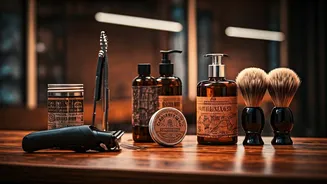
This boom beyond the big cities is being powered by two key forces: digital connectivity and the rise of Direct-to-Consumer (D2C) brands. Widespread access to affordable smartphones and cheap data means men in towns like Lucknow, Jaipur, and Coimbatore are consuming the same social media content and being influenced by the same trends as their metro counterparts. This has normalized grooming routines, turning what was once seen as vanity into an acceptable, even desirable, form of self-care and confidence-building. Simultaneously, D2C brands like Beardo, Ustraa, and Bombay Shaving Company have used e-commerce platforms to bypass traditional retail barriers, making products like beard oils, face serums, and sunscreens available across the country. This direct access has been a game-changer, allowing brands to build relationships and educate a new wave of consumers who are eager to learn and experiment.
The New Indian Man's Shelf
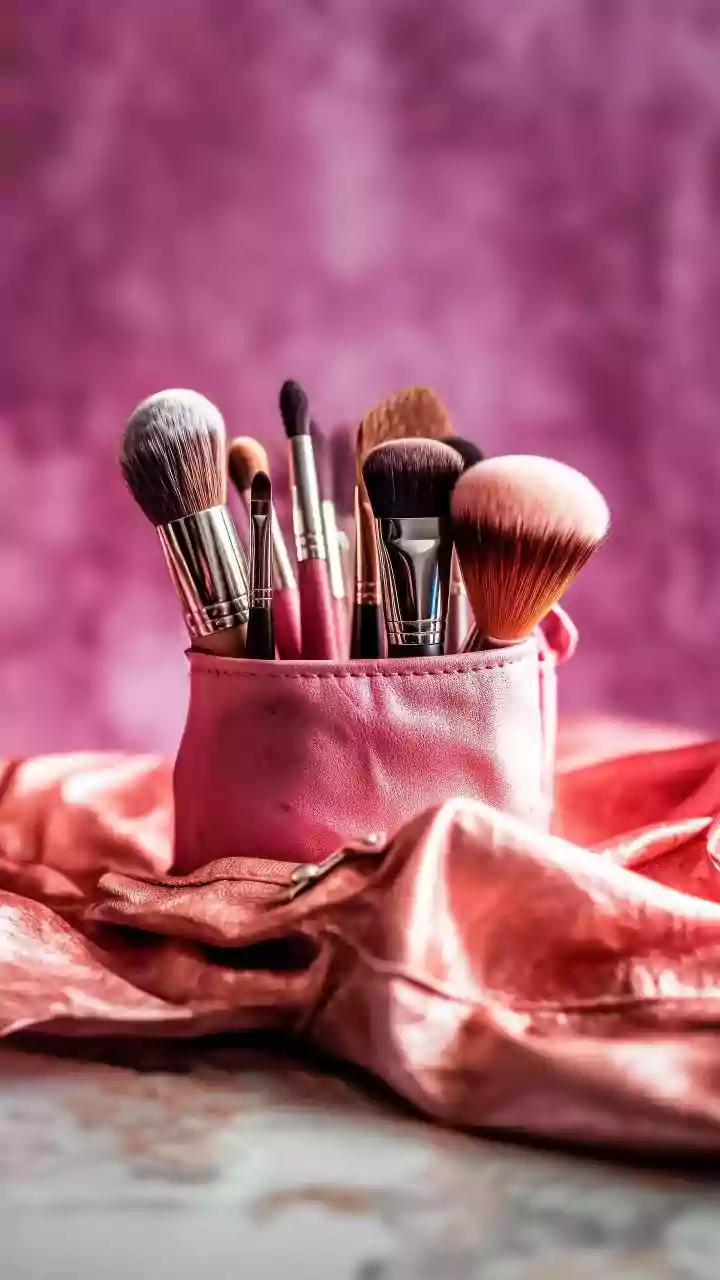
The demand isn't just for more products, but for better and more specific ones. The modern consumer, even outside the metros, is more ingredient-aware than ever before. He is moving past generic all-in-one solutions and seeking targeted products for concerns like acne, sun protection, and beard health. The conversation has shifted from basic hygiene to lifestyle-driven personal care. Multi-step routines involving face wash, moisturizers, serums, and hair styling products are becoming mainstream. This signals a fundamental change in the definition of masculinity, where personal grooming is linked to professionalism, confidence, and overall wellness, rather than being seen as something to hide. Brands are responding by launching products with transparent ingredient lists and focusing on natural or 'clean' formulations, which are finding strong resonance.
What This Means for the Future
The surge in grooming demand from non-metro areas represents more than just a market expansion; it's a cultural shift. It highlights a more confident and aspirational India, where access to information and products is creating a more level playing field. For businesses, the opportunity is immense, but it comes with challenges. This new market is not a monolith; brands need to understand regional preferences and price sensitivities. Competition is also becoming fierce, with both large FMCG giants and agile D2C startups vying for the same customer. The long-term winners will be those who can build trust, offer genuine value, and speak authentically to a consumer who is smarter and more discerning than ever. As digital access continues to deepen, the distinction between the metro and non-metro consumer will blur further, making 'Bharat' the undisputed engine of growth for the foreseeable future.