



The Vande Bharat travel experience is getting a culinary revision. In response to passenger feedback, IRCTC has rolled out a trial of a new, streamlined meal menu on select routes, adopting a 'less is more' philosophy to enhance food quality.
Which Trains Are Part of the Trial?
This pilot
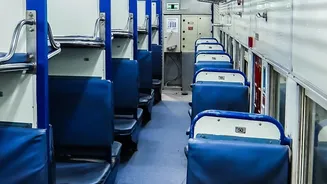
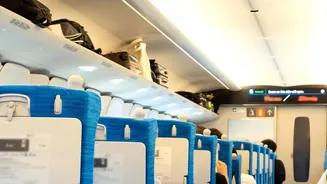
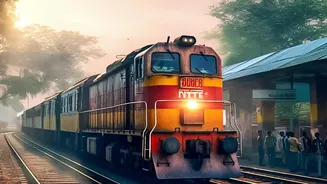
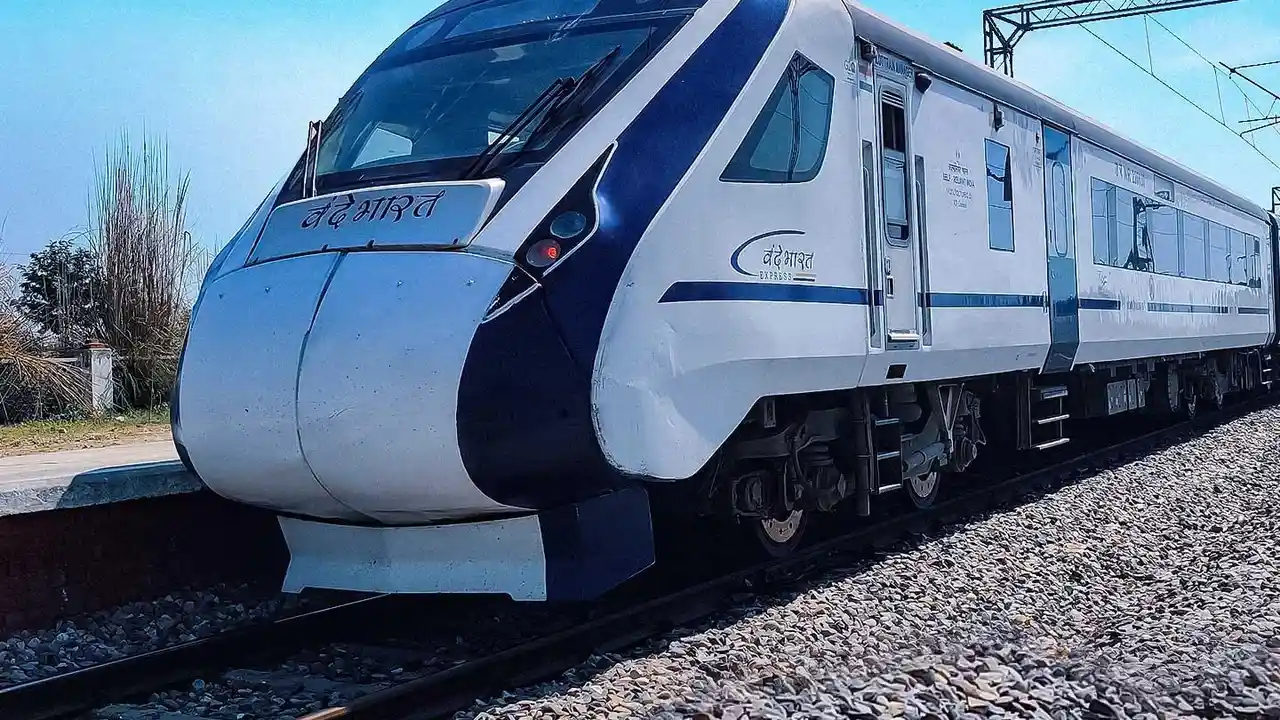
project, which began on November 1, 2026, is currently active on three specific Vande Bharat sleeper train routes. Passengers travelling on the New Delhi-Varanasi, Mumbai-Bengaluru, and Howrah-Kamakhya services will be the first to experience the new catering arrangement. The initiative is designed as a 'proof of concept', and IRCTC will be closely monitoring passenger feedback on these routes before making any decision on a wider rollout across its network of premium trains.
A 'Less Is More' Approach to Dining
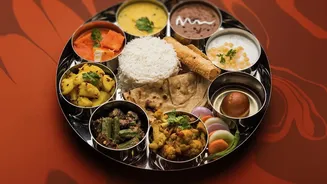
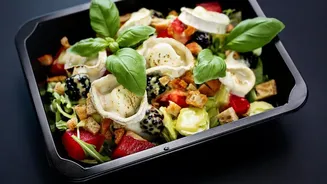
The most significant change is the reduction in the number of items per meal. Where a meal tray might have previously contained eight to ten different components, the new menu simplifies this to just four core items. This airline-style approach is intended to allow catering teams to focus more on the quality, freshness, and consistency of each dish served. In line with this, the total weight of a meal has been reduced from around 700-750 grams to a more compact 450-500 grams. However, IRCTC officials have clarified that the portion size of the main dishes remains unchanged; the weight reduction comes from removing accompaniments.
What's On the New Menu?
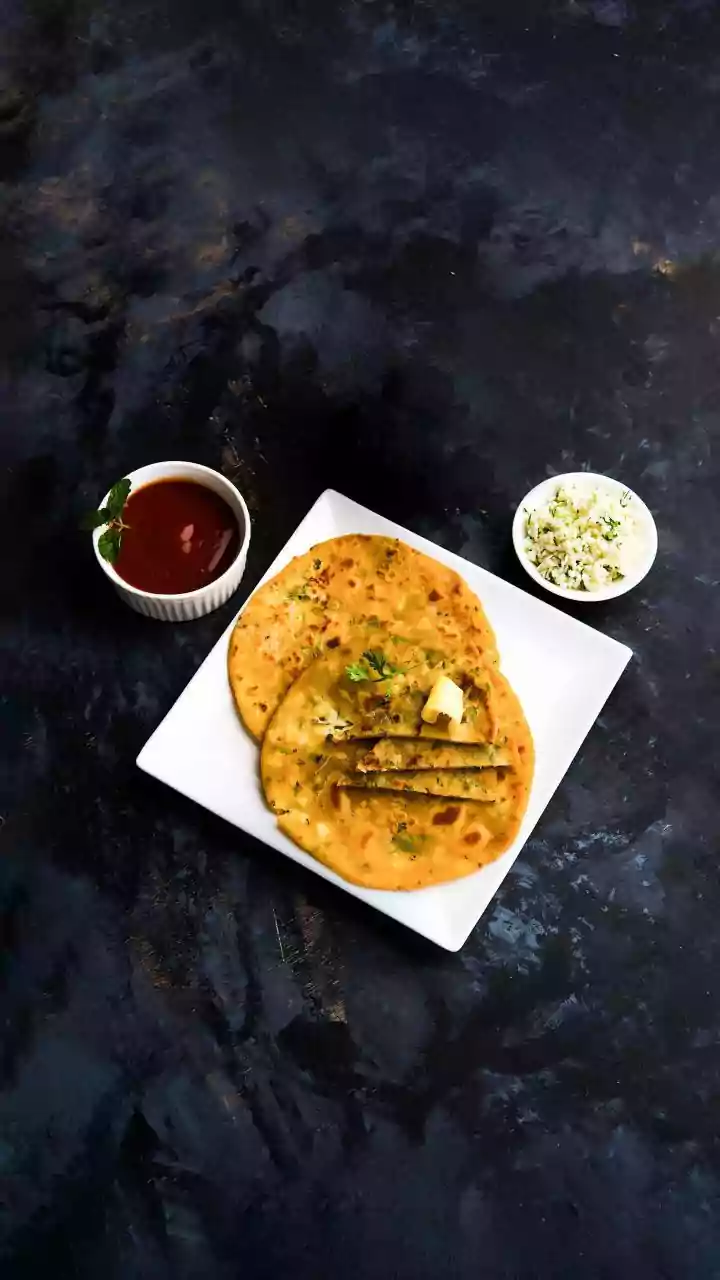
The revamped menu focuses on staple dishes and removes several accompaniments. For breakfast, options like soup, omelettes, sandwiches, buttermilk, and chocolates have been discontinued. Passengers can now expect a choice of one option from a selection that includes dishes like idli-vada with sambar, poha, or upma. Similarly, the lunch and dinner services have been streamlined. Accompaniments such as curd, salad, pickles, a separate dry vegetable dish, and sweets will no longer be part of the standard meal tray. The main meal will now consist of chapatis, rice, dal, and a single main vegetable dish, with a chicken option available for non-vegetarian passengers.
Why the Change? Quality, Hygiene, and Feedback
The primary driver for this overhaul is persistent passenger feedback and complaints regarding the quality and hygiene of food served on long-distance trains. Railway officials believe that by reducing the complexity of the menu, it becomes easier to manage and monitor food preparation, ensuring better standards from kitchen to passenger. To further bolster quality, IRCTC is partnering with major hospitality groups and large-scale cloud kitchens, including TajSATS and the Mayfair Group, for meal preparation on these routes, moving away from some earlier vendors. Early indicators suggest the strategy may be working, with IRCTC's West Zone reporting a 10% decrease in catering-related complaints between October and November 2026 compared to the previous year.
The Future of Train Food
This trial represents a significant shift in IRCTC's catering strategy for its premium trains. By simplifying the menu, the railways hope to solve long-standing issues and deliver a more reliable and enjoyable dining experience. While some passengers may miss the wider variety of accompaniments, the focus on core quality could prove to be a welcome trade-off. IRCTC is actively collecting passenger feedback during this trial phase, and the results will determine the future of onboard catering. If successful, this compact, quality-focused menu could become the new standard not just for Vande Bharat trains, but potentially for other premium services across the Indian Railways network as well.