





The Problem with the Afternoon Coffee
For years, the default solution to the post-lunch slump has been a trip to the coffee machine or the nearest café. More often than not, this involves a latte, cappuccino, or cold coffee loaded with sugar. While the initial caffeine and sugar hit feels
like a lifesaver, it sets up a vicious cycle. The rapid spike in blood sugar is inevitably followed by a crash, leaving you feeling even more tired and unfocused than before. This rollercoaster of energy can also lead to jitters, anxiety, and disrupted sleep later at night, creating a debt that tomorrow’s coffee has to pay. This familiar pattern is precisely what many are now trying to escape in their search for a more sustainable way to power through the workday.
Enter Matcha: A Different Kind of Buzz
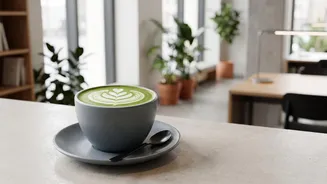
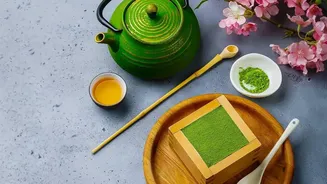
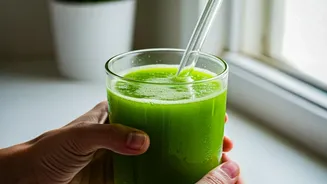
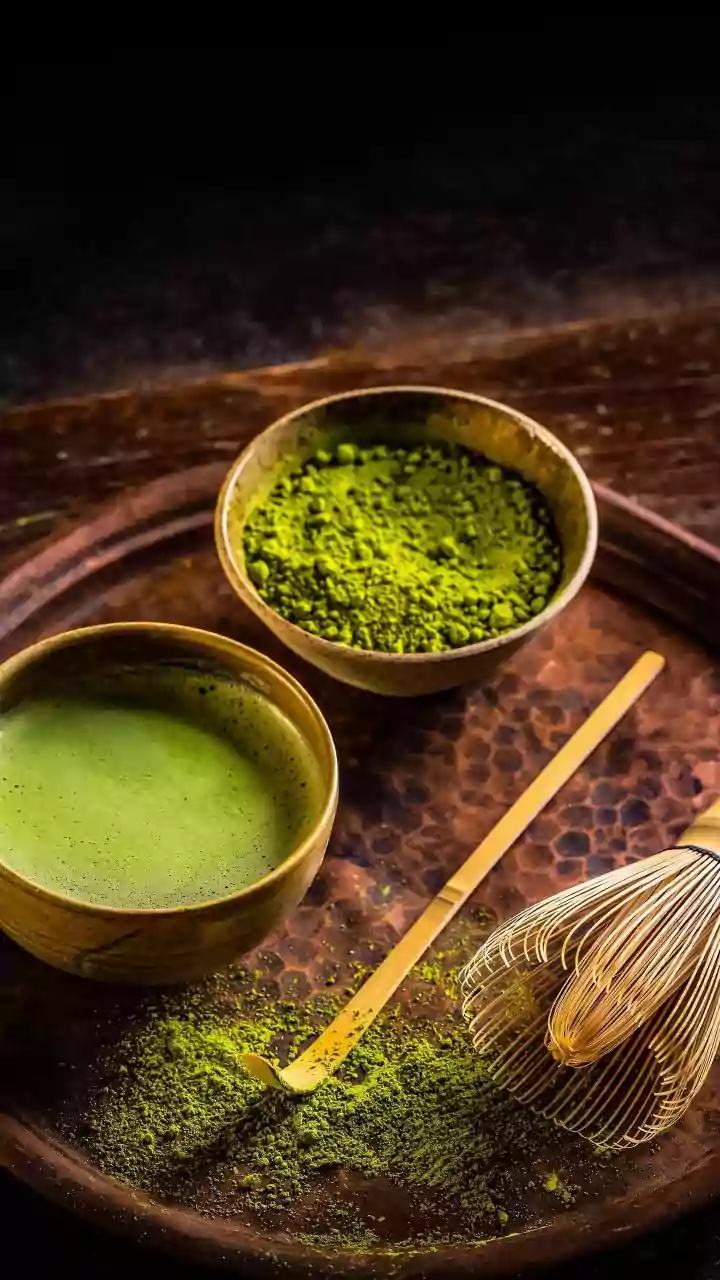
So, what is this green drink taking over office afternoons? Matcha is a finely ground powder of specially grown and processed green tea leaves, traditionally used in Japanese tea ceremonies. Unlike regular green tea where you steep and discard the leaves, with matcha, you consume the entire leaf, getting a more potent dose of its nutrients. The key to matcha's magic lies in its unique combination of caffeine and an amino acid called L-theanine. While it does contain caffeine, it’s typically less than a standard coffee. The L-theanine works in synergy with the caffeine, slowing its release into the bloodstream. This results in what many describe as a state of 'calm alertness'—a steady, sustained energy boost without the anxiety or the eventual crash.
More Than Just Crash-Free Energy
The benefits of making the switch go beyond just better energy levels. Matcha is exceptionally rich in antioxidants, particularly a type of catechin called EGCG (epigallocatechin gallate), which is known for its anti-inflammatory properties and ability to protect cells from damage. Studies suggest these powerful plant compounds can support heart health, aid metabolism, and contribute to overall wellness. By swapping a sugar-laden coffee for a sugar-free matcha latte, you are not only dodging the negative effects of a sugar crash but also actively consuming a beverage packed with beneficial nutrients that support long-term health.
Making Your Own Matcha Latte
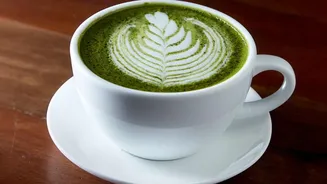
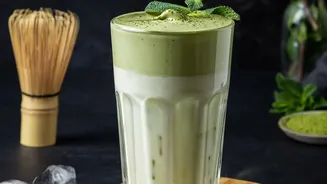
Preparing a café-quality matcha latte at home or the office is surprisingly simple. You'll need matcha powder, hot water (not boiling), and your milk of choice (dairy or plant-based work well). Start by sifting one teaspoon of matcha powder into a mug to avoid clumps. Add about two tablespoons of hot water and whisk vigorously in a zig-zag motion until it forms a smooth, frothy paste. A traditional bamboo whisk ('chasen') works best, but a small regular whisk or an electric milk frother will also do the job. Finally, top with steamed or cold milk. Since you're skipping sugar, the quality of your matcha is key to a great taste. Using a good quality powder will ensure a smooth, earthy flavour without excessive bitterness.
How to Choose and Buy Matcha in India
When you start shopping, you'll likely see two main types: ceremonial and culinary grade. Ceremonial grade is the highest quality, made from the youngest tea leaves, and has a finer texture and a more delicate, less bitter taste. It's designed to be drunk with just water. Culinary grade is more robust and slightly more bitter, designed to hold its own against other ingredients like milk and sweeteners, making it a great and often more affordable choice for lattes. In India, a growing number of online brands like Vahdam, ILEM JAPAN, and Bree Matcha offer both ceremonial and culinary grade Japanese matcha, making it easier than ever to find a quality powder. Prices can vary, with everyday or culinary grades often starting around ₹400-₹600 for 30g, while premium ceremonial grades can be significantly more.