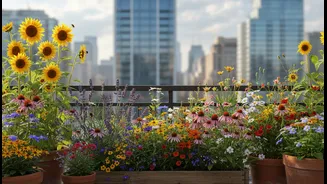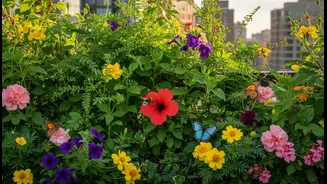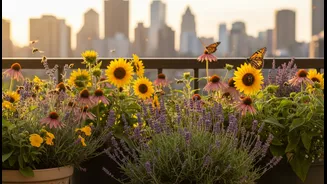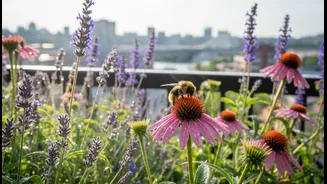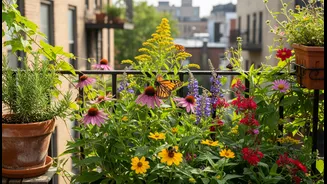



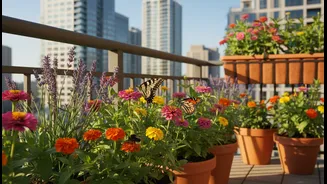


More Than Just a Pretty View
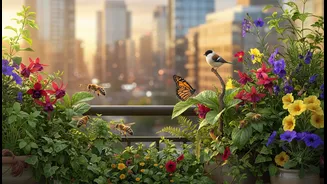
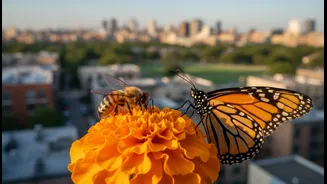
Urban environments, with their vast stretches of buildings and roads, can be like deserts for pollinators. Bees, butterflies, and other insects struggle to find food and shelter, facing what is known as habitat fragmentation. This is where your balcony
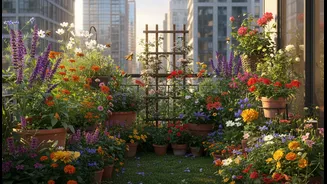
becomes incredibly useful. A few pots of the right flowers can act as a crucial 'stepping stone' or a refuelling station for these tiny creatures as they navigate the city. When multiple balconies in a neighbourhood participate, they form a green corridor, creating a connected network that helps sustain local wildlife populations. Even a single pot can make a difference, providing nectar, pollen, and temporary shelter.
The Ripple Effect of a Single Flower
The 'usefulness' of a pollinator balcony extends beyond your own property line. These insects are essential for the reproduction of most flowering plants, including many fruits and vegetables we eat. By supporting local pollinators, you are contributing to the health of the entire urban ecosystem, which can include nearby community gardens, parks, and even urban farms that rely on these creatures for successful harvests. Beyond the ecological benefits, creating this mini-sanctuary offers personal rewards. The act of gardening and observing the gentle hum of visiting insects can reduce stress and foster a deeper connection with the natural world. It turns a simple balcony into a living, breathing ecosystem right outside your door.
Choosing Your Pollinator All-Stars
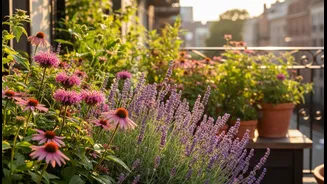
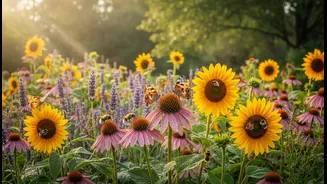
The foundation of any successful pollinator balcony is choosing the right plants. The goal is to provide a consistent food source through different seasons. For Indian climates, several hardy and beautiful options thrive in pots. Marigolds (Genda) are a top choice, as their bright, nectar-rich blossoms are a magnet for bees and butterflies and they tolerate local conditions well. Sacred Basil (Tulsi) is another excellent option, valued not just for its cultural significance but for its ability to attract beneficial insects when it flowers. Other easy-to-grow winners include Cosmos, Zinnia, and Lavender, which offer a variety of colours and shapes to attract different types of pollinators. Aim for a mix of plants that bloom at different times to keep your balcony buzzing with life year-round.
Creating a Welcoming Habitat
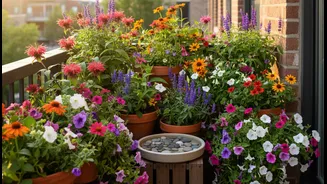
A true pollinator haven offers more than just flowers. One of the most crucial additions is a safe water source. Pollinators need water to survive, but can easily drown. A shallow dish filled with pebbles or marbles allows them to drink safely. It is also vital to avoid chemical pesticides and herbicides, which can be harmful or fatal to visiting insects. Instead, opt for organic pest control methods. To make your balcony even more inviting, provide shelter from harsh wind and rain. This can be achieved with denser plantings or by adding a ready-made 'bee hotel' from bamboo tubes, which offers nesting sites for solitary bees. Don't be too tidy; leaving dead stems in the autumn can provide important hibernation spaces.
Your Weekend Balcony Project
Getting started is simpler than you might think. First, assess your balcony's sunlight—most pollinator plants need at least four to six hours of sun. Next, choose your containers. Terracotta pots are a great choice as their porous nature helps roots breathe, but any pot with good drainage holes will work. Use a high-quality, lightweight potting mix rather than heavy garden soil, which can compact in containers. When arranging your plants, think vertically. Use hanging baskets, railing planters, and tiered stands to create layers of green. This not only maximises a small space but creates a more complex and attractive habitat for wildlife. Plant in clusters rather than single plants to create a more obvious landing zone for pollinators. With a simple setup and a regular watering schedule, you can quickly establish a thriving garden.