




A Tale of Two Grains
The primary reason for India's breakfast divide lies in its fields. The country has a well-documented agricultural split that dates back millennia. North India, with its cooler climate and fertile alluvial plains, is the country's wheat belt. Since the time
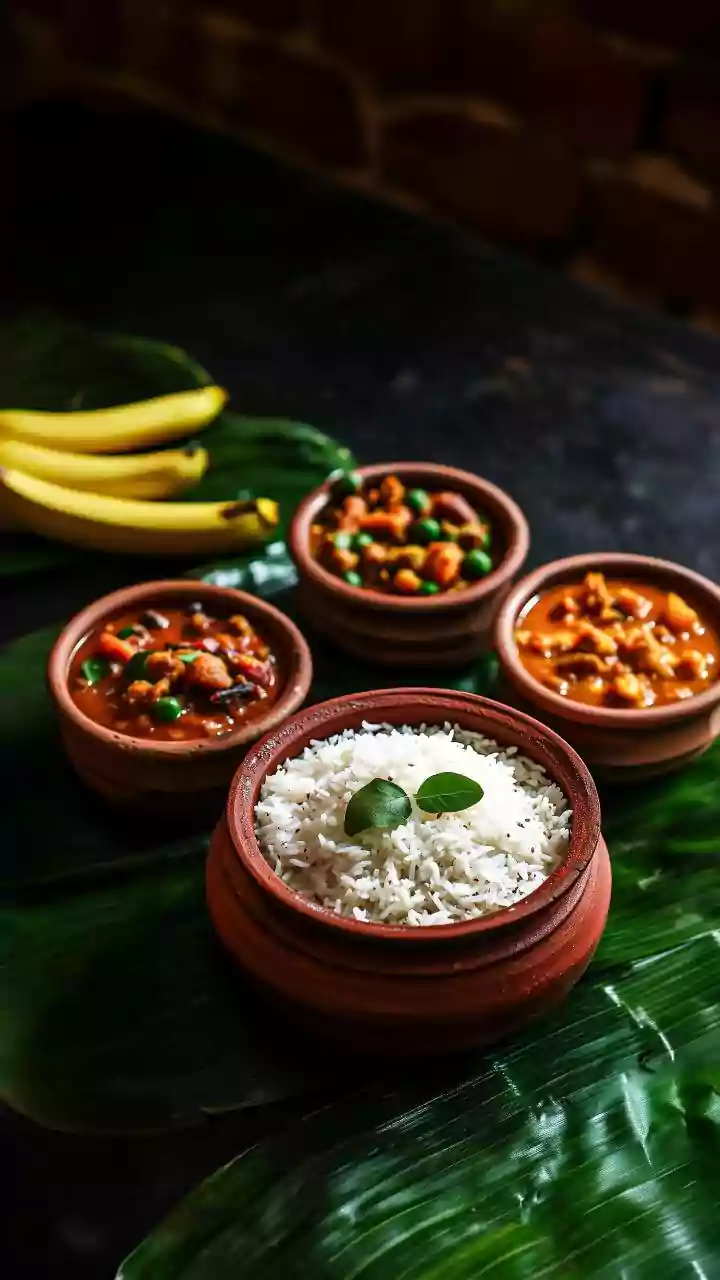
of the Indus Valley Civilisation, wheat has been a primary staple, grown as a winter crop. This agricultural reality made wheat flour the most accessible and logical base for daily meals. In contrast, South India's tropical climate and heavy monsoons are perfectly suited for paddy cultivation. Rice has been the dominant grain here for thousands of years, forming the foundation of the regional diet. This basic difference—wheat in the North, rice in the South—is the single most important factor shaping the breakfast traditions of each region.
The Climate and Culture of Fermentation
South India's warm, humid environment is not only ideal for growing rice but also for fostering fermentation. The process of making idli or dosa batter involves soaking rice and urad dal (black gram), grinding them, and leaving the mixture to ferment for eight to twelve hours. The ambient warmth allows naturally occurring yeasts and bacteria, like Lactobacillus, to thrive, causing the batter to rise and develop its signature sour tang. This ancient technique, which has been part of Indian cuisine for centuries, was a natural fit for the South's climate. Fermentation wasn't just about flavour; it was a practical method of transforming and preserving ingredients in a pre-refrigeration world.
The Unbeatable Efficiency of Flatbreads
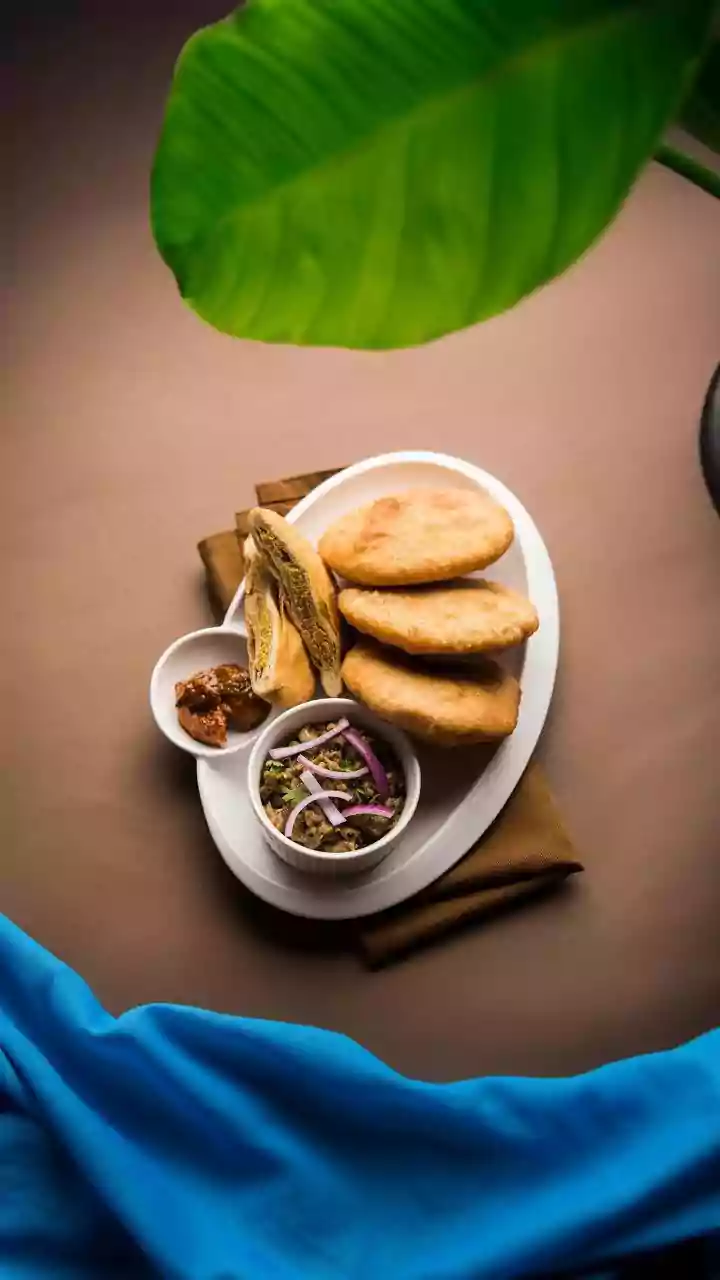
In the drier, more seasonally varied climate of the North, quick, unleavened flatbreads made from wheat flour became the norm. Roti, chapati, and paratha can be made with a simple dough of flour and water, rolled out, and cooked in minutes on a hot 'tava' (griddle). This method is efficient and doesn't rely on a long, temperature-sensitive fermentation period. While leavened breads like naan have a long history, tracing back to the Delhi Sultanate and baked in a tandoor, the everyday breakfast staple remained the humble, fast-to-cook flatbread. These breads are the perfect vehicle for scooping up dals, curries, and yogurt, making them a versatile and essential part of the North Indian meal.
The Science of a Healthy Start
Beyond taste and texture, there's a compelling health argument for fermented breakfasts. The fermentation process essentially 'pre-digests' the starches and proteins in the rice and lentil batter, making foods like idli and dosa incredibly easy on the stomach. This process also breaks down 'antinutrients' like phytic acid, which allows the body to better absorb minerals like iron and calcium. Furthermore, fermented foods are a natural source of probiotics, which promote a healthy gut microbiome, aid digestion, and support the immune system. While Northern flatbreads made from whole wheat offer fibre and sustenance, the Southern fermented breakfast provides a unique set of digestive and nutritional benefits.
Delicious Exceptions to the Rule
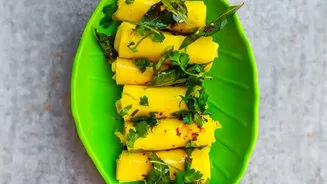
Of course, India's culinary map is never a simple straight line. There are many delicious exceptions that defy the broad North-South divide. In the western state of Gujarat, you'll find dhokla, a spongy, savory cake made from a fermented batter of rice and chickpea flour. In Punjab, 'khamiri roti' is a soft, leavened flatbread made with fermented dough. Meanwhile, in the South, particularly in Karnataka, one can find 'akki roti', an unleavened flatbread made from rice flour. These regional specialties show the incredible ingenuity of Indian cooking, where core techniques are adapted to local ingredients and tastes, creating a wonderfully complex food culture that is always more than the sum of its parts.