






A World Washed Anew
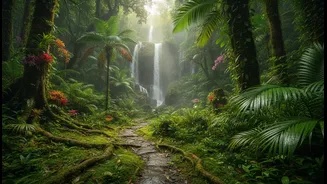
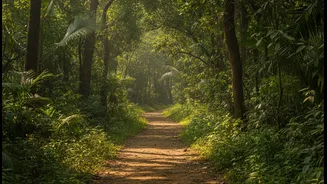
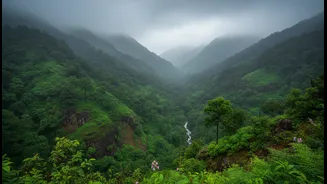
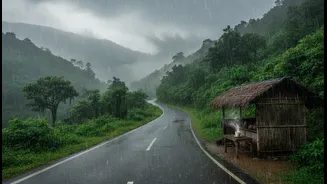
From June to September, the monsoon season breathes new life into Goa’s interiors. The red-earth hills of the Western Ghats shed their summer dryness and are draped in vibrant green ferns and grasses. This is not the Goa of crowded beaches, where swimming
is often restricted due to rough seas. Instead, it's a landscape of dramatic skies, rain-washed forests, and a profound sense of peace. The coastal buzz gives way to the quiet hum of nature, creating an atmosphere that feels a world away from the commercial hotspots. For travellers seeking solitude and natural beauty, this seasonal transformation is the main attraction.
The Spectacle of Waterfalls
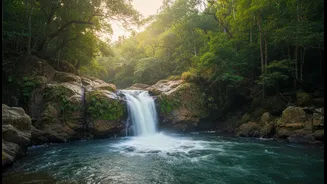
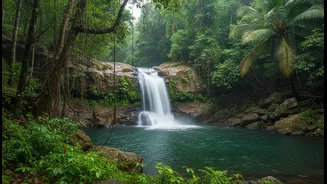
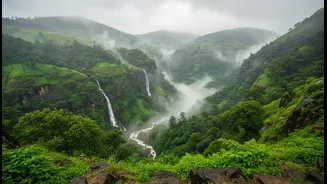
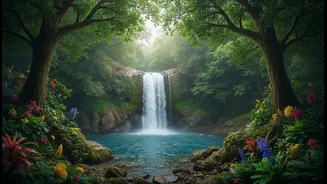
The monsoon is the best time to witness Goa's waterfalls in their full, thunderous glory. The most famous of these is Dudhsagar Falls, one of India's tallest, which becomes a roaring cascade of white water during the rains. Reaching it often involves an adventurous jeep safari through the Bhagwan Mahavir Wildlife Sanctuary. But beyond Dudhsagar, numerous other falls beckon. The Harvalem waterfall near Sanquelim is easily accessible, while the trail to Tambdi Surla waterfall combines nature with history, beginning at a 12th-century temple nestled in the forest. These sites, often quiet and less frequented, offer a chance for a refreshing dip in natural pools and a powerful connection with nature’s force.
Aromatic Spice Plantations
Goa's hinterlands, particularly around Ponda, are dotted with spice plantations that become intensely fragrant and verdant in the monsoon. Farms like Sahakari Spice Farm and Pascoal Spice Village offer guided tours where you can walk among pepper vines, cardamom bushes, and cinnamon trees. These tours provide a fascinating glimpse into the region’s agricultural heritage, explaining how these spices are cultivated and used in traditional Goan cuisine and medicine. Most visits culminate in a delicious, authentic Goan meal served in a serene, natural setting, making for a truly sensory experience.
Whispers of History and Culture
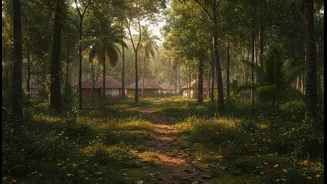
The monsoon offers the perfect climate for exploring Goa's rich cultural tapestry away from the coast. The rain-washed lanes of Fontainhas, Panjim's old Latin Quarter, become even more vibrant. Further inland, villages like Chandor, Aldona, and the river island of Divar offer a peaceful retreat into traditional Goan life, characterized by picturesque colonial-era homes, ancient temples, and quaint churches. You can explore the UNESCO-listed churches of Old Goa without the peak-season crowds or visit ancient Hindu temples in Ponda, the state's cultural heart. This slower pace allows for more meaningful interactions and a deeper appreciation of Goa’s layered history.
The Joy of Slow, Mindful Travel
Ultimately, the appeal of the Goan hinterlands during monsoon lies in the shift of pace. It’s an invitation to slow down. It’s about taking a drive through the misty Chorla Ghat, kayaking in the calm backwaters of the Chapora or Nerul rivers, or finding a cozy homestay in a quiet village. While the popular beaches are in off-season mode, the interior comes alive, offering a more intimate and authentic experience. The crowds are thinner, accommodation rates are often lower, and you have the chance to see a side of Goa that many visitors miss entirely.