








1. Swap White Rice with Lighter Millets
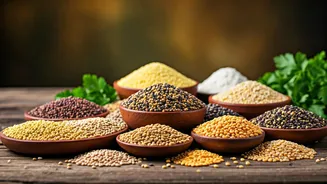
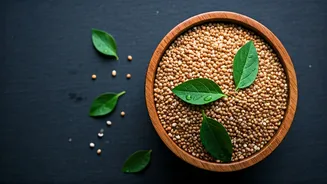
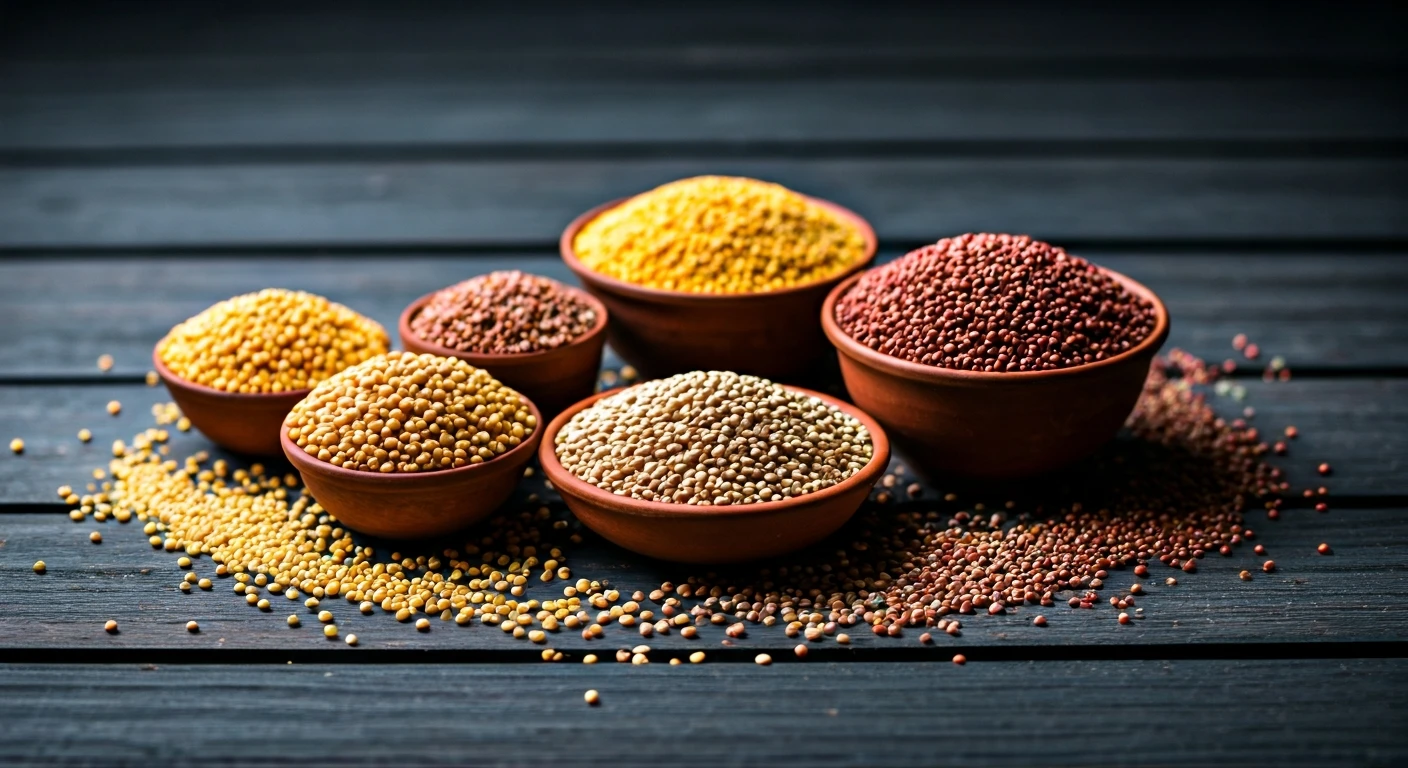
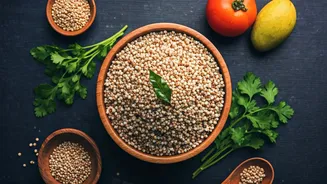
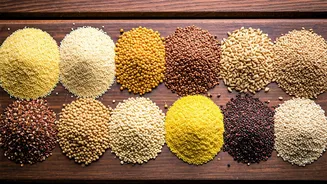
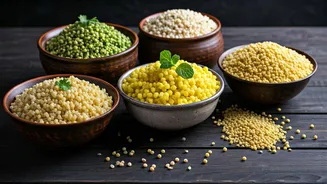
Heavy meals can feel sluggish during the damp monsoon months. A simple yet effective change is to replace regular white rice with lighter alternatives like foxtail millet (kangni) or little millet (kutki). These grains are easier to digest and packed
with fibre, which aids regular bowel movements. Their high fibre content also helps you feel full longer, curbing the urge for unhealthy snacking. Use them to make a comforting bowl of khichdi with moong dal, or a light vegetable pulao. Since millets like barnyard millet (samvat ke chawal) are cooling and easy on the stomach, they are ideal for this season.
2. Ditch Wheat Rotis for Jowar or Bajra
While a hot roti is a staple, wheat can sometimes cause bloating for those with sensitive stomachs. This monsoon, try switching to gluten-free options like Jowar (sorghum) or Bajra (pearl millet) rotis. Jowar is prized for being easy to digest, while bajra is known for its warming properties, making it a great choice for cooler, rainy days. These millets are rich in essential minerals like iron, calcium, and magnesium, helping to boost your immunity when you need it most. Their high fibre content also contributes to better gut health and stable energy levels.
3. Upgrade Your Breakfast from Poha to Ragi Porridge
Start your monsoon mornings with a nutritional boost by swapping your usual breakfast with a warm bowl of ragi (finger millet) porridge. Ragi is a powerhouse of calcium and iron, which are vital for bone health and preventing anaemia. Unlike many breakfast cereals that cause a sugar rush, ragi has a low glycemic index, providing a steady release of energy to keep you active throughout the day. It’s naturally gluten-free and easy on the digestive system, making it an excellent way to fortify your body against seasonal illnesses. Simply cook ragi flour with water or milk and sweeten with a touch of jaggery for a delicious and wholesome start.
4. Choose Baked Millet Tikkis Over Fried Pakoras
Monsoon evenings feel incomplete without a plate of hot snacks. Instead of indulging in deep-fried, besan-based pakoras, opt for a healthier yet equally delicious alternative: baked or shallow-fried millet tikkis. You can make flavourful cutlets using a base of cooked barnyard millet (sama) or ragi, mixed with boiled potatoes, seasonal vegetables, and spices. These tikkis offer the same satisfying crunch without the excess oil, which can be hard to digest during this season. Millets like barnyard millet are rich in protein and dietary fibre, making your snack time both satisfying and nutritious.
5. Satisfy Sweet Cravings with Millet Desserts
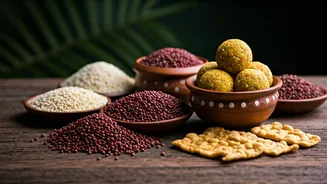
A rainy day often calls for a sweet treat. Instead of reaching for desserts made with refined flour (maida) and sugar, you can create wholesome sweets using millets. A warm ragi halwa or ragi laddoo, sweetened with jaggery and enriched with nuts, makes for a perfect guilt-free indulgence. Ragi’s natural richness in calcium and iron adds a nutritional punch to your dessert. These millet-based sweets not only satisfy your sweet tooth but also provide essential nutrients, making them a smart and comforting choice for the entire family during the monsoon.