

Sweet potatoes and chestnuts are beloved staples, especially as the weather cools. Both are starchy, subtly sweet, and versatile. But how do they truly compare in the kitchen? The answer lies in how you cook them.
A Tale of Two Starches
Before we turn up the heat, it’s helpful
to understand what we are working with. Sweet potatoes, or 'shakarkandi', are starchy root vegetables packed with nutrients. The common orange-fleshed variety is famously rich in beta-carotene, which the body converts to vitamin A. They also provide a good dose of vitamin C and fibre. Chestnuts, known locally as 'singhara' (though distinct from water chestnuts), are botanically nuts but behave more like a starchy vegetable in culinary applications. They are unique among nuts for their low fat content and high proportion of complex carbohydrates. Chestnuts are also a good source of dietary fibre, vitamin C, and various B vitamins.
The Roasting Test: Concentrated Sweetness
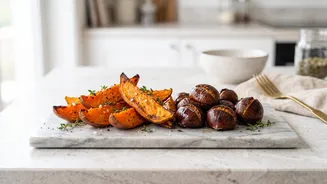
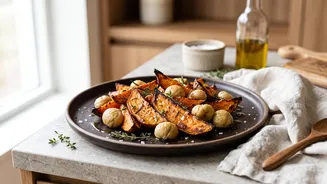
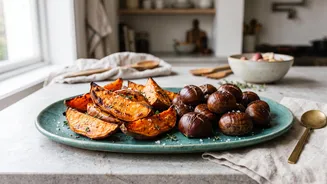
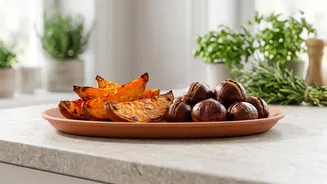
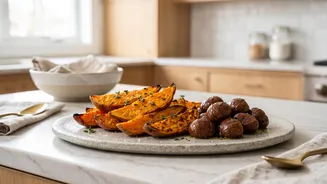
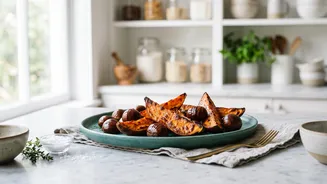
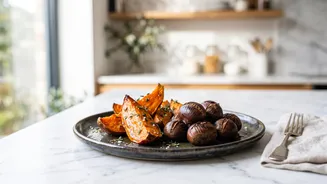
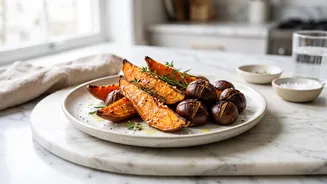
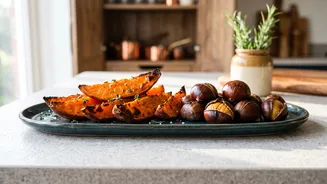
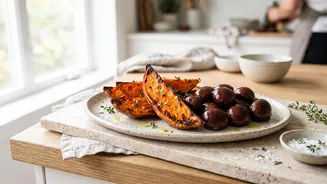
Roasting is where both ingredients develop deep, satisfying flavours. When sweet potatoes are baked, their starches break down into sugars, resulting in a creamy, intensely sweet, and caramelised interior. This dry-heat method concentrates their natural sweetness. Chestnuts also transform beautifully with roasting. After scoring the shells to prevent them from exploding, roasting them yields a tender, fluffy texture and a nutty, subtly sweet taste. The flavour is often described as being similar to a fluffy, starchy potato but with a distinct nuttiness. For both, roasting creates a delicious exterior crust while softening the inside, making it an ideal method for a simple, flavourful snack or side dish.
The Boiling Point: Texture and Health
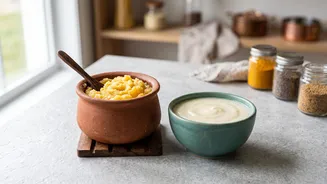
Boiling offers a different outcome, focusing more on texture and nutrient retention. When sweet potatoes are boiled, they develop a lower glycemic index compared to when they are baked, meaning they cause a smaller spike in blood sugar. Boiling helps gelatinise the starches and makes nutrients more bioavailable, though some water-soluble vitamins can be lost if they are not consumed in the cooking liquid. The result is a soft, moist texture perfect for mashing. Boiled chestnuts also become tender and are easy to peel once cooked. This method is often the first step before puréeing chestnuts for soups or desserts. Moist heat cooking, like boiling or steaming, gives chestnuts a softer, brighter appearance due to water absorption. For those prioritising blood sugar management or a softer texture, boiling is the superior method for both.
Versatility in the Kitchen
Beyond these basic methods, both ingredients shine in various culinary roles. Sweet potatoes are incredibly versatile; they can be mashed, puréed into soups, fried into chips, or stuffed. Their inherent sweetness pairs well with both savoury spices and sweet additions. Chestnuts are equally adaptable. They can be puréed into creamy soups, often paired with sweet potato for a luxurious texture. They can also be chopped and added to stuffings, roasted vegetable medleys, or even sheetpan dinners alongside sweet potatoes. Precooked, vacuumpacked chestnuts are a convenient option that saves on peeling time and works well in many recipes.
The Culinary Verdict
So, which one wins? It’s not about superiority but suitability. For a rush of caramelised sweetness and a creamy texture, roasted sweet potato is unmatched. It’s a powerhouse of Vitamin A and comfort. For a lower glycemic impact and a texture perfect for mashing or healthier preparations, boiled sweet potato is the winner. Chestnuts, on the other hand, offer a more subtle, earthy, and nutty flavour with a starchy, satisfying bite. They excel when roasted for a simple snack or when used to add texture and a unique flavour profile to stuffings and purées. While sweet potatoes bring vibrant colour and bold sweetness, chestnuts provide a more rustic, nutty depth. Ultimately, their best use depends entirely on the flavour and texture you desire for your final dish.