



The Allure of Lemon Desserts
Lemon has a remarkable ability to cut through richness and cleanse the palate, making it a star ingredient in the dessert world. Its natural acidity balances sugar, preventing treats from becoming overly sweet and instead leaving them tasting fresh and bright.
Whether it's the main flavour or a background note, lemon adds a fragrant, zesty character that feels both comforting and sophisticated. From creamy puddings to airy cakes, mastering a few key lemon dessert techniques will elevate your home-baking skills and delight your taste buds.
The Classic Stovetop Pudding
A homemade stovetop lemon pudding is a world away from instant mixes. Rich, creamy, and bursting with authentic citrus flavour, it's a simple dessert made with kitchen staples. The process involves whisking milk, cream, sugar, cornstarch, and egg yolks in a saucepan over medium heat. Constant whisking is key to prevent lumps and ensure a silky-smooth texture. As it cooks, the mixture will thicken into a luscious custard. Once it begins to bubble, it's removed from the heat and fresh lemon juice and zest are stirred in, along with a knob of butter for extra richness. Chilled for at least two hours, it sets into a spoonable, satisfying dessert that’s perfect on its own or with a dollop of whipped cream.
The Magical Self-Saucing Pudding
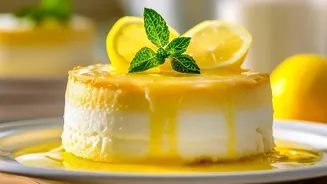
The self-saucing pudding is a true kitchen marvel. It’s a baked dessert where a single, simple batter magically separates into two distinct layers in the oven: a light, fluffy sponge cake on top and a pool of tangy lemon sauce underneath. The batter is typically made from flour, sugar, eggs, butter, and milk. After pouring the batter into a baking dish, a mixture of lemon juice, sugar, and boiling water is poured over the top before it goes into the oven. While baking, the cake rises and the liquid sinks, creating the sauce. Baking it in a water bath—placing the dish inside a larger pan filled with hot water—helps it cook gently and evenly, ensuring the cake stays moist and the sauce doesn't dry out. The result is a warm, comforting dessert that offers two textures in every spoonful.
The Effortless No-Bake Posset
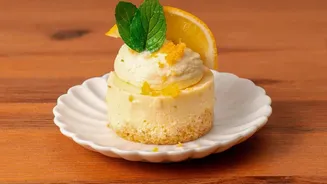
For a dessert that delivers maximum elegance with minimal effort, look no further than the lemon posset. A traditional English treat, it requires just three ingredients: heavy cream, sugar, and fresh lemon juice. The magic lies in the food science; the acid in the lemon juice reacts with the heated cream, causing it to thicken naturally into a silky, custard-like consistency without any eggs or cornstarch. To make it, you simply bring cream and sugar to a simmer, stirring until the sugar dissolves. After a minute or two of boiling, you remove it from the heat and stir in the lemon juice and zest. The mixture is then poured into serving glasses or ramekins and refrigerated for a few hours until set. The final product is incredibly smooth, rich, and refreshing.
Mastering the Essential Lemon Curd
Lemon curd is a foundational element in the world of lemon desserts. It’s a thick, tangy, and sweet spread made from fresh lemon juice, zest, sugar, egg yolks, and butter. The process is similar to making a stovetop pudding, often done in a saucepan over low heat or in a double boiler to prevent the eggs from scrambling. Constant stirring is crucial as the mixture thickens enough to coat the back of a spoon. Once cooked, the curd is often strained through a fine-mesh sieve to remove the zest and ensure a perfectly smooth texture. This versatile spread can be used as a filling for tarts, cakes, and cupcakes, swirled into yogurt, or simply enjoyed on scones or toast.
Tips for Perfect Lemon Desserts
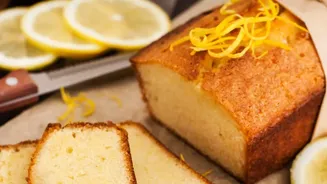
To ensure your lemon desserts are always a success, keep a few key tips in mind. First, always use fresh lemons; the flavour of freshly squeezed juice and zest is far superior to bottled alternatives. When a recipe calls for both zest and juice, always zest the lemon before you juice it. For an even more intense lemon aroma, try rubbing the lemon zest into the granulated sugar with your fingers before mixing it into your batter. This releases the fragrant oils from the zest directly into the sugar. Finally, be mindful of over-baking, as lemon-flavoured cakes and bars can dry out quickly.