



Decoding the IMD’s Colour-Coded Alerts
Before you even think about packing, your first stop should be the IMD's official website or Mausam app. The department issues colour-coded warnings for districts across the country, which are crucial to understand. A 'Green' alert means 'No Warning,'
and you are generally safe to proceed. A 'Yellow' alert advises you to 'Be Updated,' suggesting that weather conditions could change and you should stay informed. An 'Orange' alert means 'Be Prepared,' as it warns of potentially disruptive weather that could impact travel and daily life. The most severe is a 'Red' alert, which means 'Take Action'. This indicates a high likelihood of severe weather that could cause significant disruption and risk to life, and travel should be avoided. These alerts often correspond to expected rainfall volumes, with an orange alert, for instance, warning of 115.6–204.4 mm of rain.
From District Warning to Route Reality
A district-level warning is a great starting point, but it's not the full story. A large district might have a red alert, but your specific highway route through it could be perfectly fine, or vice versa. The key is to move from the broad forecast to a route-specific check. The IMD itself has launched tools for highway-specific weather forecasts, allowing travellers to input a start and end point to see expected conditions along their journey. This service provides actionable intelligence on heavy rain, thunderstorms, and fog that directly impact road travel. Remember that monsoon hazards are often hyperlocal. A single intense downpour can trigger a landslide on one hill road while another just a few kilometres away remains clear. Your planning must account for this by focusing on the specific roads you intend to take.
Your Pre-Journey Digital Checklist
Once you have the weather overview, it’s time to use digital tools for on-ground verification. Start with the National Highways Authority of India (NHAI). The NHAI's 'Rajmargyatra' app provides information on national highways and includes a grievance redressal system for reporting issues like potholes. NHAI also collaborates with platforms like Google Maps and MapmyIndia to provide real-time information on road closures, diversions, work-in-progress zones, and accident-prone areas directly on the map. Before leaving, check these apps for any red flags along your intended path. It is also wise to check the social media pages (especially X, formerly Twitter) of local and state traffic police departments, as they often post live updates about road blockages and alternative routes.
Leveraging Real-Time Traffic and Hazard Apps
On the day of travel, real-time data is your best friend. Apps like Waze, Google Maps, and MapmyIndia offer live traffic updates based on crowd-sourced information from other drivers. These can alert you to sudden traffic jams, which could indicate an accident or a newly flooded patch of road ahead. Waze is particularly useful for its real-time user reports on hazards like potholes, objects on the road, and police presence. Some apps even integrate alerts for accident-prone zones and upcoming roadworks. Using these tools actively while navigating allows you to make dynamic decisions, such as rerouting to avoid a gridlock or a dangerously waterlogged underpass. This proactive approach is far safer than simply following a pre-planned route without adjustments.
On-the-Road Safety and Smarter Driving
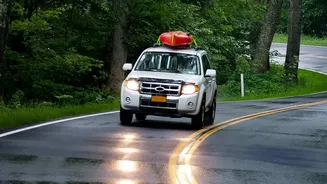
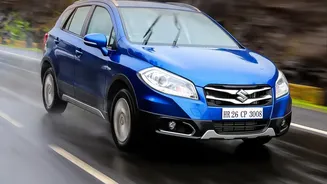
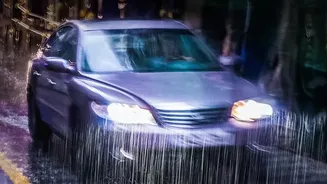
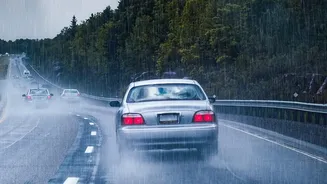
If you are caught in heavy rain, your driving habits must change. Reduce your speed, maintain a much larger following distance from the vehicle ahead, and use your headlights to improve visibility for yourself and others. Never attempt to drive through a flooded road; the water can conceal deep potholes or open manholes, and it's often impossible to gauge its depth. If conditions worsen significantly, especially in hilly or landslide-prone areas, the safest option is to pull over at a secure location like a town or a well-lit petrol pump and wait for the weather to improve. Avoid stopping under isolated trees during a thunderstorm. Always have an emergency kit in your car with essentials like a first-aid kit, extra drinking water, snacks, and a power bank for your phone.