


The Rise of 'Millennial Grey'
Remember when every aspirational home on Pinterest, every café, and every quickly-renovated flat for sale was a symphony of grey? From pale dove to deep charcoal, grey became the undisputed king of neutrals in the 2010s. It felt clean, modern, and effortlessly
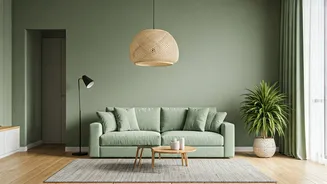
chic. It was a safe bet—a blank canvas that promised sophistication and order in a chaotic world. This wasn't just a colour choice; it was an aesthetic ethos. Paired with white trim and maybe a pop of navy blue, it signalled a departure from the warm, busy beiges and Tuscan-inspired yellows of the early 2000s. It was seen as the perfect backdrop for the minimalist, Scandinavian-influenced style that took hold, allowing clean lines and simple furniture to take centre stage. For a while, it worked beautifully, defining a generation's vision of a stylish home.
When Cool Became Cold
The problem with any trend that becomes ubiquitous is that it eventually loses its edge. The very thing that made grey feel safe—its neutrality—began to feel sterile and impersonal. Designers started noting a backlash against what some call “flipper grey,” the generic, cool-toned grey paint slapped on walls of quickly renovated properties to appeal to the masses. Instead of looking sophisticated, it started to look like a shortcut—a lack of imagination. After spending more time at home than ever before during the pandemic, many of us realised we didn't want to live in a pristine, hotel-like space. We craved comfort, coziness, and a home that felt like a sanctuary, not a showroom. The cool, detached nature of grey began to feel emotionally cold, failing to provide the psychological warmth we desperately needed.
The Return of Warmth
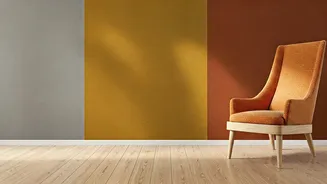
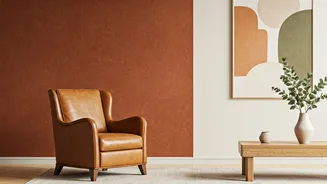
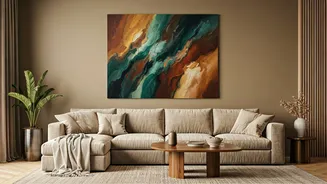
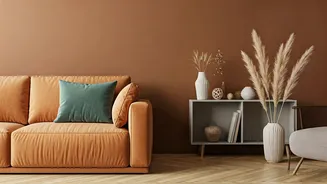
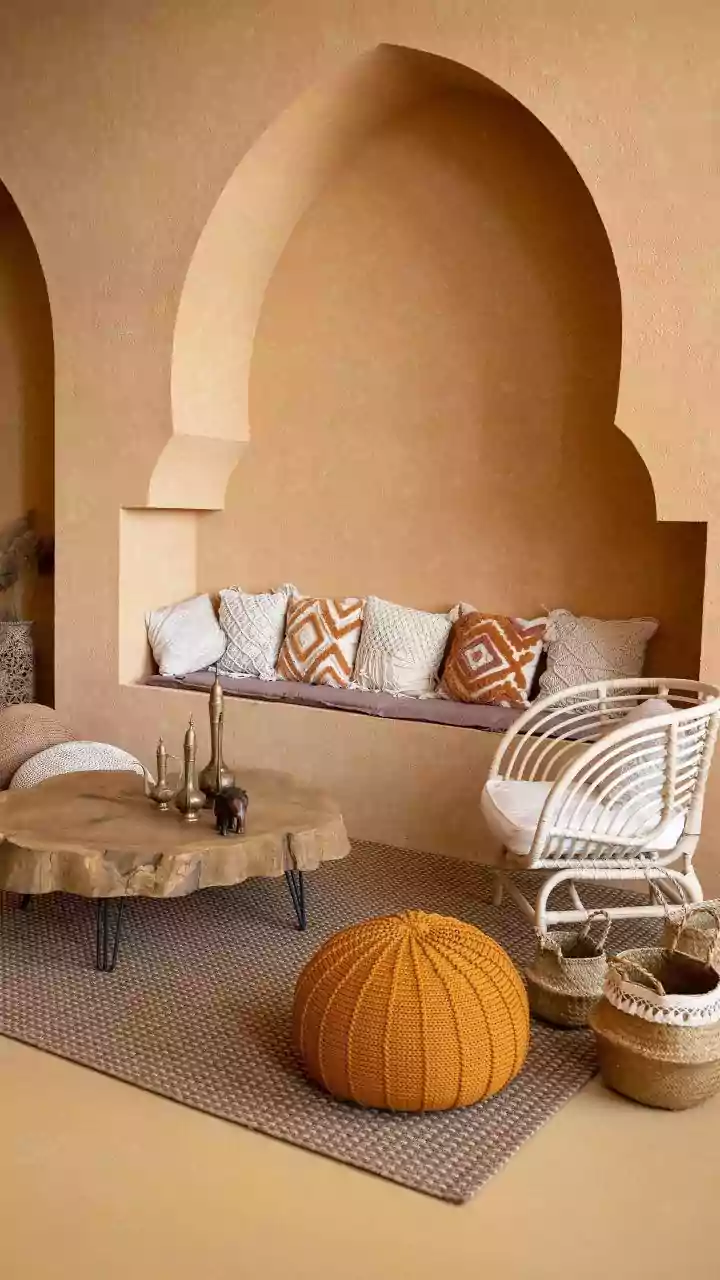
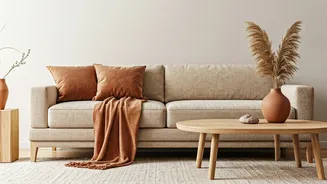
So, what’s taking its place? The pendulum is swinging decisively toward warmth. Beige is back, but not the bland, yellow-toned builder’s beige of the past. Today’s popular neutrals are complex, earthy, and inviting—think creamy off-whites, sandy beiges, mushroomy taupes (or 'greige'), and rich camels. These colours serve the same purpose as grey—providing a versatile neutral backdrop—but they do so with an inherent warmth that feels more welcoming and organic. Beyond neutrals, there's a growing confidence in using colour to evoke emotion. Earthy tones like terracotta, olive green, and deep browns connect our interiors to the natural world, a concept known as biophilic design. It's less about finding a colour that “goes with everything” and more about choosing a palette that makes you feel something.
More Than Just Paint
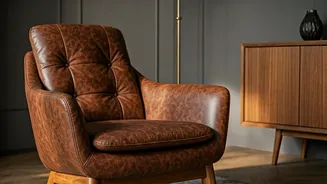
This reality check on grey extends far beyond the walls. The shift is about embracing texture, character, and personality in every element of a room. The flat, polished surfaces that complemented grey are being replaced by materials with tactile appeal. Think nubby bouclé armchairs, soft linen curtains, rustic wooden furniture, and handcrafted ceramic vases. It's a move away from the mass-produced and toward the unique. The goal is no longer to create a perfect, coordinated space, but a layered, collected one that tells a story. This means mixing furniture styles, displaying personal art and photographs, and incorporating vintage finds that bring a sense of history and soul into a room. A home's character now comes from its imperfections and personal touches, not its flawless adherence to a single trend.
What If Your Home Is Already Grey?
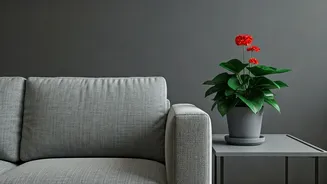
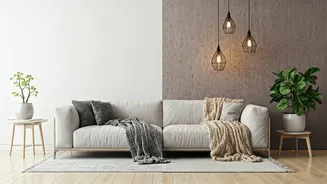
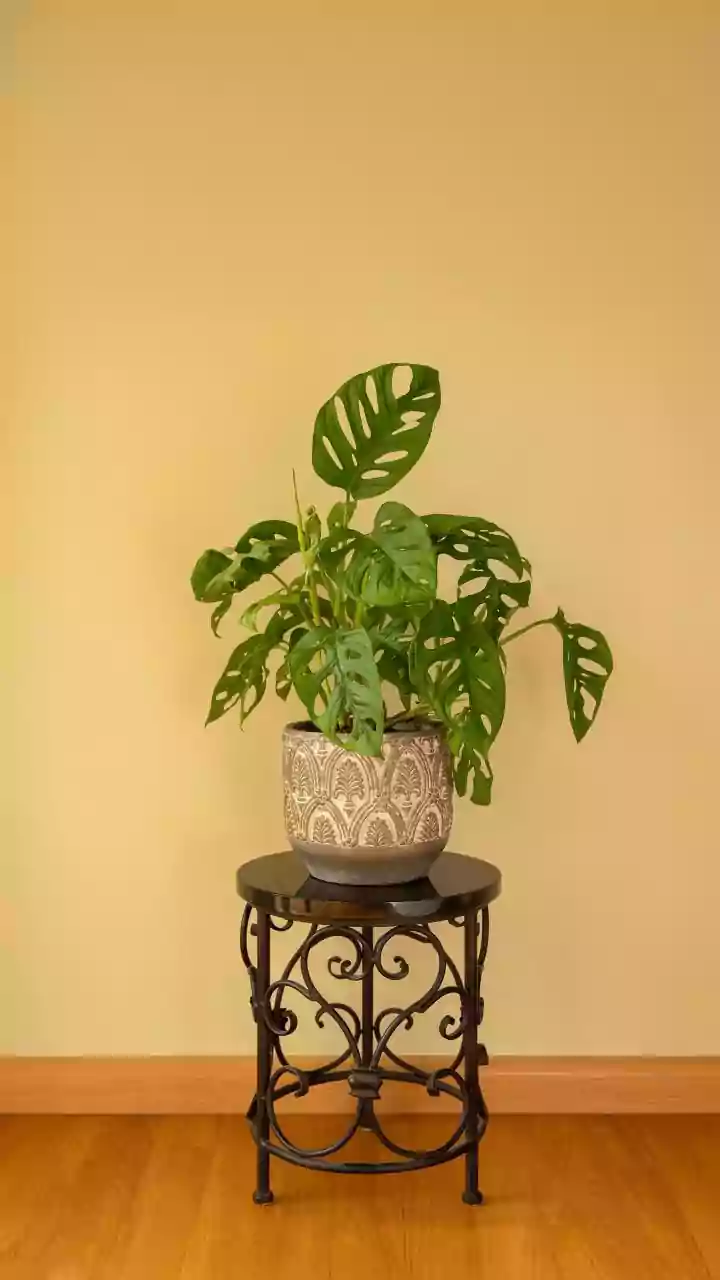
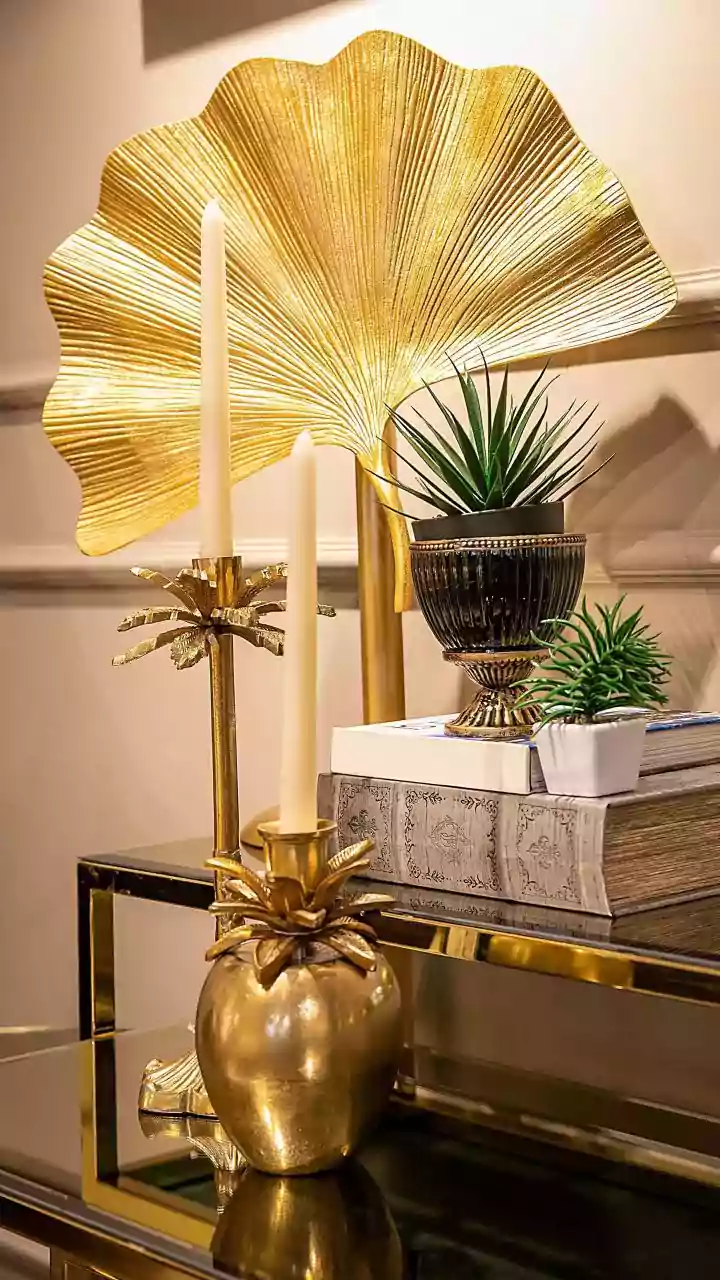
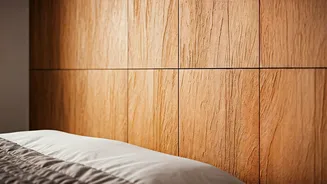
If you're reading this from your lovely grey living room, don't panic. You don't need to call the painters and undo years of decorating. The beauty of grey is that it is, after all, a neutral. Think of it as the perfect base for an update. The quickest way to fight the chill is by introducing warmth through other elements. Add accent pieces in warm woods like oak or walnut. Swap silver and chrome hardware for brass, bronze, or gold. Layer in rich textiles—a plush rug in a warm cream, velvet cushions in rust or olive green, or a cozy wool throw. Indoor plants are another fantastic way to breathe life and natural colour into a monochrome space. By layering these new textures and tones, you can transform a cool grey room into a sophisticated and inviting space without ever lifting a paintbrush.