






The Old (and New) Himalayan Office
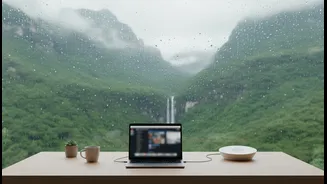
The post-pandemic world introduced us to 'Work from Hills 1.0'. It was an exciting concept, driven by the freedom of remote work, but often hampered by frustrating reality. Professionals who flocked to destinations like Himachal Pradesh and Uttarakhand
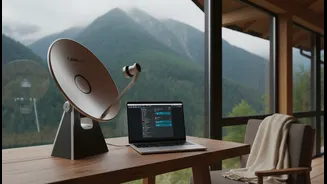
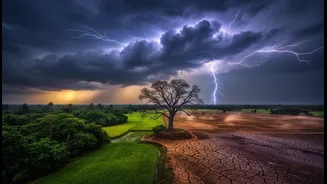
quickly discovered that local broadband and mobile dongles were no match for mountain weather, especially during the monsoon. Frequent disconnections, slow speeds, and power outages made important video calls and large file transfers a nerve-wracking gamble. Now, welcome to 'Work from Hills 2.0'. This upgraded experience is powered by a technological leap: the arrival of consumer-grade satellite internet. This isn't the slow, expensive satellite service of the past. New low-Earth orbit (LEO) satellite constellations are designed to deliver fast, stable internet virtually anywhere with a clear view of the sky, fundamentally changing the game for remote professionals.
The Satellite Internet Revolution
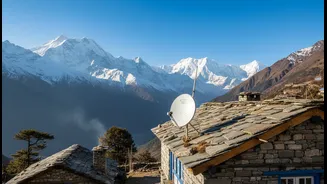
The key players changing the landscape are services like Starlink by SpaceX and the upcoming JioSpaceFiber. Unlike traditional internet that relies on a physical web of cables susceptible to damage from rain and landslides, satellite internet beams connectivity directly from space to a small dish at your location. This makes it incredibly resilient. For a monsoon workation, this is a game-changer. While a fallen tree might knock out a town's fibre-optic cable for days, a satellite connection remains unaffected, provided your dish has power and a clear line of sight. While services like Starlink are still in the process of a full commercial rollout in India, they are expected to become widely available soon, with several companies having received the necessary licenses to operate.
Gearing Up for the Grid-Independent Workstation
Setting up your high-altitude office requires more than just a laptop. The first step is the satellite kit itself, which typically includes a dish (often called a 'dishy'), a mount, and a router. The one-time hardware cost is significant, with early estimates for services like Starlink in India hovering around ₹30,000, and monthly subscriptions projected to be in the range of ₹3,000 to ₹6,000. Equally crucial is a reliable power backup system. Monsoon storms in the hills often lead to frequent and prolonged power cuts. A robust inverter and battery system or a portable power station is non-negotiable to keep your dish, router, and laptop running. Finally, ensure all your electronics are protected with waterproof bags and surge protectors to guard against dampness and voltage fluctuations.
Monsoon-Ready Hill Stations
While the allure is strong, not all hill stations are created equal, especially during the monsoon. It's wise to choose destinations known for relatively better infrastructure and lower risk of being completely cut off. Places like Palampur and Mashobra in Himachal Pradesh offer a good balance of scenic beauty and accessibility. Coorg in Karnataka and Munnar in Kerala are stunning Western Ghats options, turning into lush green paradises, though it's best to check local conditions before travelling. For those seeking tranquility, quieter hamlets like Jibhi and Kalpa in Himachal provide serene environments perfect for focused work, surrounded by the soothing sounds of rain and nature. Always opt for stays that have experience hosting workation guests, as they are more likely to have backup power and other amenities.
Navigating the Risks with Smart Planning
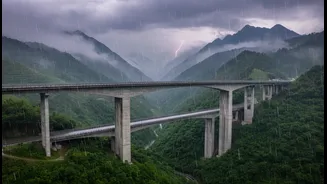
A monsoon workation demands a healthy respect for nature's power. Safety should be your primary concern. Landslides and road blockages are a genuine risk in many hilly regions during heavy rains. Always check weather forecasts and local advisories before and during your trip. Inform your host and a contact back home about your travel plans. It's advisable to avoid driving after dark on winding mountain roads. Health precautions are also vital. Carry a comprehensive first-aid kit, including medication for common ailments and insect repellent. To avoid waterborne diseases, stick to boiled or bottled water and eat freshly cooked food, avoiding uncooked street food. Finally, pack quick-drying synthetic clothes, waterproof footwear, and keep your electronic gadgets in dry bags to protect them from the pervasive dampness.