


First, Recognise the Signs
It can sometimes be hard to distinguish a fracture from a severe sprain without an X-ray, but there are several key indicators to look for. The most obvious sign is a visible deformity, where a limb is bent at an unnatural angle or a bone appears to be out of
place. Intense, sharp pain that worsens with movement or pressure is a primary symptom. You may also notice significant swelling and bruising that develops quickly around the injury. Sometimes, a popping or grating sound may be heard at the moment of injury. The person may be unable to move the limb or put any weight on it. Numbness or tingling in the affected arm or leg can also occur. If you see a bone protruding through the skin, this is an open or compound fracture and is a medical emergency.
Immediate Steps to Take
Your first priority is to ensure the scene is safe for both you and the injured person before approaching. Once safe, the most important rule is to keep the person still and calm. Encourage them not to move the injured area, as movement can worsen the damage to the bone, muscles, and blood vessels. If there is any bleeding, apply firm pressure to the wound with a sterile bandage or clean cloth. For an open fracture with a protruding bone, apply pressure around the injury, not directly on the bone itself. Do not attempt to wash the wound or push the bone back in. If the person feels faint or is showing signs of shock, such as pale, clammy skin or rapid breathing, have them lie down with their head slightly lower than their body, and elevate their legs if possible. Cover them with a blanket to keep them warm and offer reassurance while you wait for help.
To Splint or Not to Splint
The main goal of first aid is to immobilise the injury in the position you found it. If you have to move the person or if medical help is delayed, creating a makeshift splint can prevent further harm. You can use a rigid object like a rolled-up magazine, a piece of cardboard, or a sturdy stick. Place the splint so it extends beyond the joints both above and below the suspected break. Use padding, like folded clothing, between the splint and the skin for comfort. Secure the splint with bandages or strips of cloth, tying them above and below the fracture site, but never directly over it. The bandage should be snug but not so tight that it cuts off circulation; check every 15 minutes for signs of numbness, coldness, or discoloration in the fingers or toes. However, if emergency services are arriving quickly, it is often best not to attempt splinting, as it could cause more harm than good without proper training.
The RICE Method: A Helpful Tool
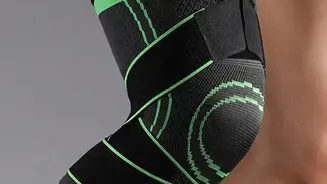
For many closed fractures, the RICE method (Rest, Ice, Compression, Elevation) can help manage pain and swelling while waiting for a professional diagnosis. Rest is critical and involves stopping all activity and keeping the injured part still. Applying ice can reduce swelling and numb pain. Wrap an ice pack or a bag of frozen vegetables in a thin towel and apply it to the area for 15-20 minutes at a time. Never place ice directly on the skin. Compression with an elastic bandage can also limit swelling, but it must be applied lightly over a suspected fracture to avoid restricting blood flow. Finally, elevating the limb above the level of the heart uses gravity to help reduce swelling. This can be done by propping a leg on pillows or supporting an arm in a sling.
What Not to Do
Knowing what to avoid is just as important as knowing what to do. Never try to straighten a bent limb or push a protruding bone back into the skin. This can cause severe damage to nerves and blood vessels. Do not give the injured person any food or drink, as they may require surgery and need an empty stomach. Avoid massaging the injured area, which can increase swelling and pain. Finally, don't assume someone is fine just because they can move the injured limb; it is still possible to have a fracture even with some range of motion. An X-ray is the only way to be certain.