





The Post-Harvest Rush
The problem is rooted in the tight schedule of India's agricultural heartland, particularly in states like Punjab and Haryana. After harvesting paddy (rice) in October and November, farmers have a very short window—often just 10 to 20 days—to clear their
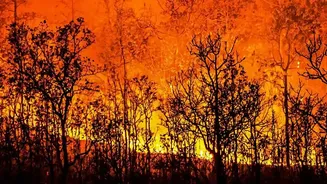
fields to sow the next crop, wheat. This quick turnaround is crucial because a delay in planting wheat can significantly reduce the yield. Burning the leftover crop stubble is the fastest and cheapest way to prepare the land. It costs a fraction of what it would to clear the field mechanically, making it the default option for many cash- and time-strapped farmers.
The Science of the Smog
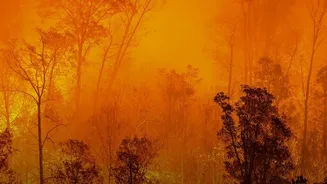
The timing of this burning period coincides with a shift in weather patterns. After the monsoon, lower temperatures and calmer winds create a phenomenon called temperature inversion. This acts like a lid, trapping pollutants close to the ground instead of allowing them to disperse. The smoke, laden with fine particulate matter (PM2.5), is then carried by northwesterly winds across the vast Indo-Gangetic Plain, engulfing cities like Delhi in a toxic soup. This agricultural smoke can contribute significantly to Delhi's hazardous PM2.5 levels, with some studies indicating its share can be over 40% on the most polluted days.
An Unintended Consequence of Policy
The intensity of the problem is partly an unintended consequence of a 2009 water conservation law in Punjab and Haryana. The law mandated a later sowing date for paddy to reduce the reliance on groundwater during the hot pre-monsoon months. This noble goal had a side effect: it pushed the harvest, and therefore the burning season, later into autumn when meteorological conditions are most conducive to trapping smoke. Furthermore, the widespread use of mechanised combine harvesters, which leave behind taller stubble, has intensified the practice over the last few decades.
The Toll on Health and Economy
The impact of this annual smog is devastating. The tiny PM2.5 particles can penetrate deep into the lungs and enter the bloodstream, leading to a sharp rise in respiratory illnesses, cardiovascular diseases, strokes, and even lung cancer. Studies have attributed tens of thousands of premature deaths annually to pollution from crop residue burning. This public health crisis forces school closures, curtails outdoor activity, and places an immense burden on the healthcare system. Economically, it reduces productivity and diminishes the quality of life for millions.
The Search for Solutions
Addressing this complex issue requires a multi-pronged approach. The government has been promoting alternatives, including subsidising machines like Happy Seeders that allow farmers to sow wheat without clearing the stubble. There is also a push for 'ex-situ' management, where the straw is collected and used to generate energy in biomass plants or create bio-ethanol. Financial penalties for burning are also in place, with new draft rules proposed in September 2026 to increase fines and place violating land in a 'red category'. However, challenges like the high cost and limited availability of machinery persist, hindering widespread adoption of these solutions.