



The Pre-Festive Price Shock
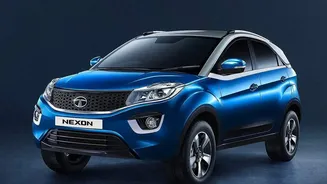
Just as India prepares for the high-demand festive period, several leading car manufacturers have announced a fresh round of price hikes effective September 1, 2026. Tata Motors has confirmed an increase of up to ₹25,000 across its portfolio of both internal
combustion engine (ICE) and electric vehicles (EVs). Similarly, Hyundai Motor India will raise prices by up to 1% across its model range. These companies are not alone. Maruti Suzuki, the country's largest carmaker, already increased its prices in August by up to ₹30,000. This industry-wide trend means that most popular cars, from hatchbacks to SUVs, will be more expensive right at the time when many families plan their purchases.
Why Car Prices Are Climbing Again
Automakers have pointed to a consistent set of challenges forcing their hand. The primary reason cited is the sustained pressure from rising input costs. This includes the price of raw materials like steel and plastic, as well as critical components like EV batteries, which have become more expensive. Beyond materials, companies also mention higher operational expenses and macroeconomic uncertainties, including foreign exchange volatility. While manufacturers state they absorb a significant portion of these increased costs, they are now passing a part of the burden to customers to protect their profit margins, which have been under pressure. This marks the third price hike for some companies in 2026, indicating a persistent cost challenge for the industry.
What The Hike Means for Your Budget
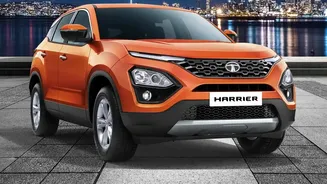
While a 1% or a ₹25,000 increase might seem marginal, it directly impacts the on-road price of a vehicle. For a popular hatchback costing ₹7 lakh, a 1% hike means an immediate increase of ₹7,000 on the ex-showroom price. For a mid-size SUV priced at ₹15 lakh, the increase could be ₹15,000 or more. The maximum hike of ₹25,000 announced by Tata Motors will likely apply to its higher-end SUVs like the Harrier or Safari. This ex-showroom price increase also has a cascading effect, as it pushes up the final on-road cost, which includes registration fees and insurance premiums that are calculated as a percentage of the vehicle's value. This means your total outlay will be even higher.
A Smart Buyer's Guide for the Festive Season
This price hike creates a tricky situation, but it doesn't mean you can't get a good deal. If you have already decided on a model, the most obvious strategy is to book it before August 31 to lock in the current prices. However, delivery timelines are crucial, so confirm with your dealer if the pre-hike price will be honoured. Beyond that, consider these options: explore models or brands that haven't announced a hike, or look for discounts on 2025 model-year stock that dealers are eager to clear. Even with a company-level price increase, dealers often have their own targets and may offer separate discounts on accessories, insurance, or extended warranties to close a sale. Don't be afraid to negotiate. The festive season remains highly competitive, and this dynamic can work in your favour.