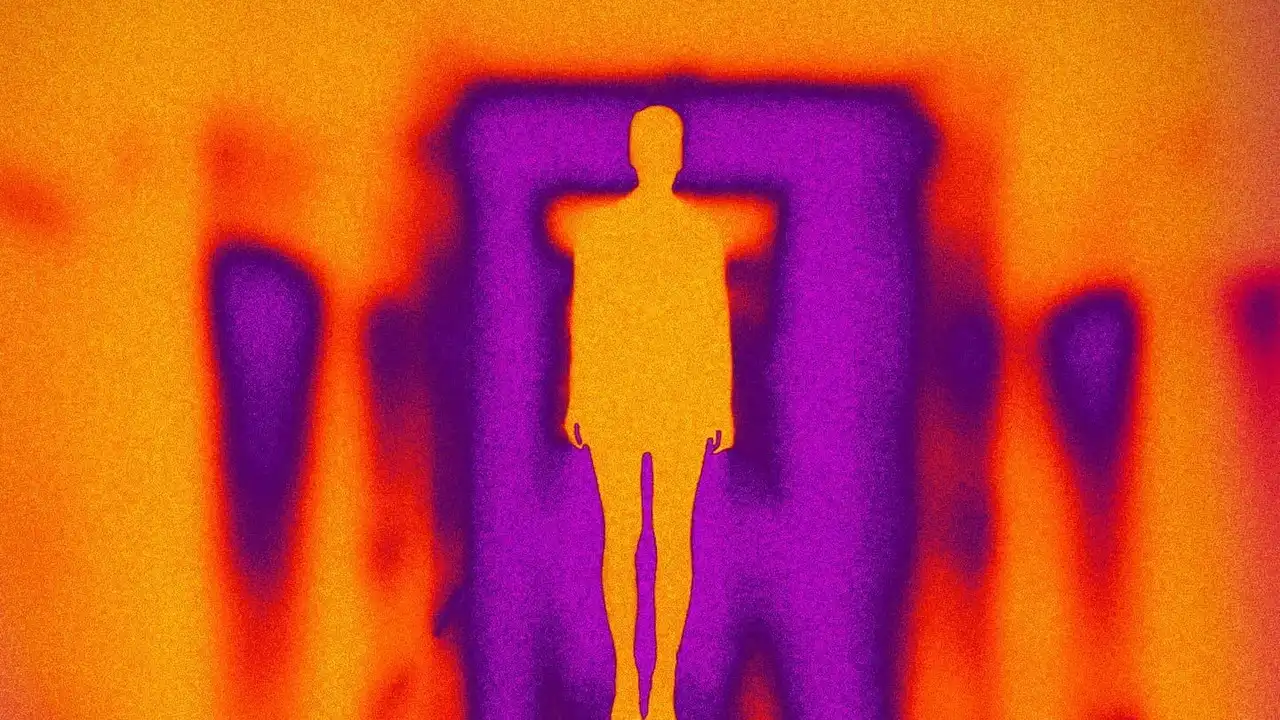








A Different Kind of Warmth
The primary difference between a traditional sauna and an infrared sauna lies in how they generate heat. A traditional Finnish-style sauna heats the air around you to high temperatures, which in turn warms your body. An infrared sauna, however, uses light
waves to heat your body directly. This means the surrounding air temperature can stay much lower—typically between 48°C and 60°C, compared to the 70°C to 100°C of traditional saunas. For many people, this creates a more comfortable and tolerable experience, allowing for longer sessions where the heat can penetrate more deeply into muscles and tissues.
Targeting Post-Workout Fatigue
For athletes and active individuals, recovery is just as important as the workout itself. Infrared saunas aid this process by boosting circulation. The penetrating heat causes blood vessels to dilate, which increases the flow of oxygen-rich blood to tired and damaged muscle tissues. This enhanced circulation helps deliver essential nutrients needed for repair while also flushing out metabolic waste products that contribute to soreness and stiffness. Studies have shown that this can lead to a noticeable reduction in delayed onset muscle soreness (DOMS) and help athletes preserve their performance and recover faster between training sessions.
A Reset for the Nervous System
Chronic stress keeps the body in a state of “fight or flight,” driven by the hormone cortisol. Research indicates that regular heat exposure can help lower these elevated cortisol levels. An infrared sauna session provides a gentle, immersive warmth that helps activate the parasympathetic nervous system—your body’s “rest and digest” mode. This shift helps calm the mind, release physical tension, and reduce feelings of anxiety. Furthermore, the heat can trigger the release of endorphins, the body’s natural mood-enhancing chemicals, promoting a profound sense of well-being and relaxation.
The Science of a Deeper Sweat
Sweating is one of the body’s primary ways to cool down and eliminate certain substances. Because infrared saunas heat the body from within, they are known to induce a more profuse sweat than traditional saunas. Some proponents claim this deeper sweat helps the body flush out toxins more efficiently. While the body's liver and kidneys are the primary organs for detoxification, enhancing the natural process of sweating can support overall wellness. This deep sweating process, combined with improved circulation, helps cleanse the body and can even lead to clearer skin over time.
What to Know Before You Go
While infrared saunas are generally considered safe for healthy adults, it's important to take precautions. Dehydration is the most common risk, so be sure to drink plenty of water before, during, and after your session. Beginners should start with shorter sessions of 15 to 20 minutes and gradually increase the duration as their body adapts. Most importantly, listen to your body; if you feel dizzy, unwell, or excessively uncomfortable, it's time to get out. Individuals with cardiovascular conditions, low blood pressure, or who are pregnant should consult a doctor before using an infrared sauna.