






Your Rights Start at the 2-Hour Mark
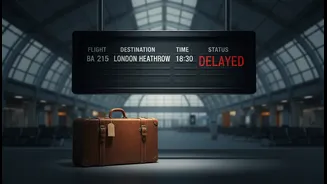
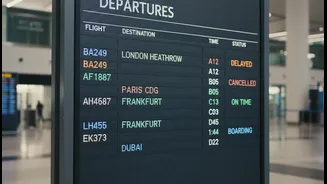
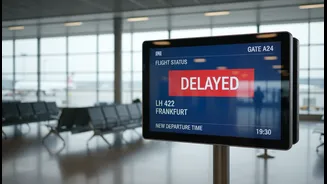
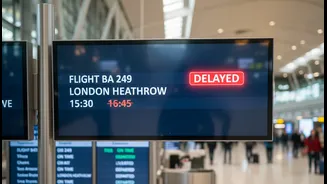
In India, passenger rights are protected by the Directorate General of Civil Aviation (DGCA) through a Passenger Charter. These aren't just suggestions; they are regulations that airlines must follow. For delays, the clock starts ticking at the two-hour
mark. If your flight is delayed by two hours or more, the airline is obligated to provide you with free meals and refreshments at the airport, appropriate for the time of day and the duration of the wait. This applies regardless of the reason for the delay, whether it's technical, operational, or even due to bad weather. The key is that you must have checked in on time for your flight to be eligible for this assistance. Don't hesitate to politely approach the airline staff at the boarding gate and ask for these provisions once the delay crosses the two-hour threshold.
When Delays Get Serious
If a delay stretches on, your options expand. For domestic flights delayed by more than six hours, the airline must offer you the choice of a full refund or an alternative flight. If the delay is announced at least 24 hours before the original departure time and the new departure is more than six hours later, the airline has to offer you an alternate flight scheduled within six hours or a complete refund. For delays that stretch overnight (typically for flights scheduled between 8 p.m. and 3 a.m. that are delayed by more than six hours), the airline's responsibility increases. They must provide you with free hotel accommodation, along with transportation to and from the airport. This 'right to care' is a crucial protection for stranded passengers.
Cancellations and Denied Boarding
Flight cancellations are even more disruptive, but the rules are clear. If an airline cancels a flight without informing you at least two weeks in advance, you are entitled to either an alternative flight or a full refund of your ticket. If the cancellation is announced with less than 24 hours' notice, you may also be entitled to monetary compensation, ranging from ₹5,000 to ₹10,000, depending on the flight's block time. This is in addition to a refund or re-booking. A similar rule applies to denied boarding due to overbooking, a common industry practice. If you are involuntarily bumped from a flight, you can be eligible for compensation up to 400% of your basic fare, capped at ₹20,000, plus a full refund if you decline the alternate flight offered.
The Exception: 'Extraordinary Circumstances'
It's important to note that airlines are exempt from paying monetary compensation for delays and cancellations caused by 'extraordinary circumstances'. These are situations beyond the airline's control, such as severe weather, air traffic control restrictions, political instability, or security risks. However, even in these force majeure events, the airline is not completely off the hook. They are still obligated to provide the 'right to care,' which includes meals, refreshments, and offering an alternate flight or a full refund. They just don't have to pay the additional financial compensation.
Dealing with Baggage Woes
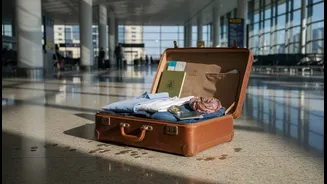
Your rights also extend to your luggage. If your checked baggage is delayed, lost, or damaged, your first step is crucial: file a Property Irregularity Report (PIR) with the airline's staff before you leave the baggage claim area. Without this document, your claim is much harder to pursue. For domestic flights, the airline's liability for loss or damage is limited to ₹20,000 per passenger. If your bag is delayed, the airline is also expected to reimburse you for essential purchases like toiletries, provided you keep the receipts. A bag is officially considered 'lost' after 21 days, at which point you can file a formal compensation claim.
How to Claim Your Rights
Knowing your rights is the first step; enforcing them is the next. Always start by communicating with the airline's ground staff or customer service. Keep all your documents: your boarding pass, ticket, baggage tags, and any communication from the airline. If the airline does not provide a satisfactory resolution, you can escalate your complaint. The official government portal for this is AirSewa (airsewa.gov.in), which allows you to file and track grievances against airlines and airports. You can register your complaint on the website or through their mobile app, providing your flight details and a description of the issue. This ensures your complaint is officially logged and monitored by the DGCA.