




Why Go Native?
Choosing native plants isn’t just a trend; it's a smarter way to garden in our cities. These are plants that have evolved in your local climate for thousands of years. They are naturally adapted to the soil, rainfall patterns, and temperature swings of your region.
This means they require significantly less water, little to no chemical fertilisers, and are more resistant to local pests and diseases. Instead of fighting to keep exotic plants alive, you’ll be working with nature. The result is a healthier, more resilient garden that saves you time, money, and effort.
Create a Mini-Ecosystem
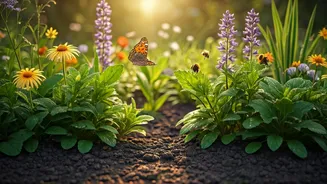
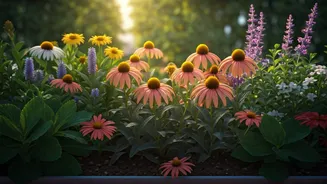
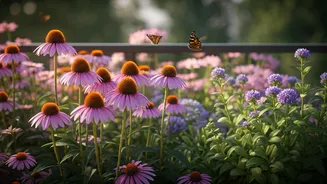
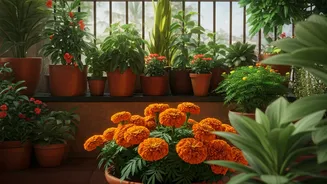
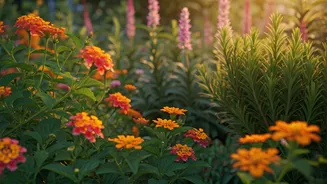
One of the most magical benefits of a native plant garden is the life it attracts. Local plants provide the perfect food and shelter for native birds, bees, butterflies, and other beneficial insects. Planting a few pots of native flowers like Marigolds (Genda) or Jasmine (Mogra) can turn your balcony into a vital stopover for pollinators navigating the concrete jungle. You’re not just growing plants; you’re restoring a tiny piece of a local ecosystem, supporting biodiversity from your own home. Watching a sunbird visit your native hibiscus is a reward that no manicured exotic plant can offer.
Sun-Loving Balcony Stars
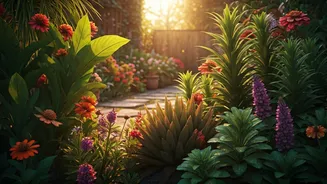
If your balcony gets plenty of direct sunlight, you have a wealth of beautiful native options. The humble Marigold (Genda) is a powerhouse, known for its vibrant colour and pest-repelling properties. Many varieties of Jasmine, like Mogra or Juhi, will fill your evenings with intoxicating fragrance. For a splash of colour, consider the Rangoon Creeper (Madhumalti), a fast-growing vine that produces stunning red and pink flowers. The Curry Leaf plant (Kadi Patta) is another sun-lover that’s both beautiful and incredibly useful in the kitchen. These plants thrive in the Indian sun, asking only for a sunny spot and regular watering to put on a spectacular show.
Thriving in the Shade
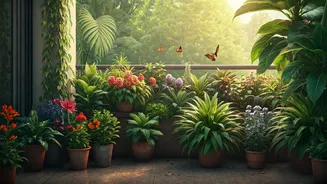
Don’t have a sun-drenched balcony? No problem. Many native plants are adapted to the dappled light of forests and can do beautifully in shadier urban spots. The most famous is Holy Basil (Tulsi), which prefers some protection from the harsh afternoon sun and brings a host of benefits. You can also grow your own spices like Turmeric (Haldi) and Ginger (Adrak) in containers; their lush, broad leaves add a tropical feel. Many native ferns also thrive in low-light, high-humidity conditions, creating a cool, green atmosphere. Ask your local nursery for shade-loving ground covers or shrubs native to your area.
Finding Your Local Heroes
The key to success is knowing what’s truly local. While a plant might be common in India, it may not be native to your specific city or state. Your best resource is a trusted local nursery, especially government-run ones or those staffed by experienced malis. They have generations of knowledge about what grows best. You can also consult online resources from the Botanical Survey of India or local forestry departments. When you shop, ask specifically for 'desi' or native varieties. It's a small shift in language that makes a huge difference, connecting you to the unique botanical heritage of your region.