


From Itineraries to Instincts
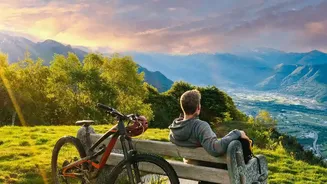
Forget month-long planning and elaborate spreadsheets. The new wave of travel is defined by what it lacks: stress. Low-pressure travel, also known as slow travel or micro-cations, prioritises rest and spontaneity over a packed schedule. It’s about choosing
a destination based on a vibe rather than a list of must-see sights. For many young professionals, this means swapping a frantic ten-day, multi-city tour for several shorter, two-to-four-day getaways throughout the year. According to recent data, a significant majority of Indian Gen Z travellers now prefer trips lasting less than a week, with many booking just days or weeks before departure. The goal is no longer to see everything, but to truly feel something—to disconnect, recharge, and return without needing a vacation from the vacation.
A Remedy for The Burnout Generation
This trend isn’t just about changing travel tastes; it’s a direct reaction to the pressures of modern work life. India reports some of the highest rates of workplace burnout globally, driven by an “always-on” digital culture and intense professional demands. For a generation grappling with digital fatigue and routine monotony, a weekend trip has become less of a luxury and more of a coping mechanism. It serves as a crucial mental reset valve. The shift is towards what some call “radical rest”—travel that intentionally creates empty space rather than filling it. The focus is on finding clarity and quietening anxiety, making the journey itself a form of therapy.
Drivable Destinations and Hidden Gems
Low-pressure travel is also reshaping the map. Instead of heading to major tourist hubs, many young adults are exploring destinations closer to home. Improved road connectivity and the rise of remote work have made drivable getaways more appealing than ever. This has led to a surge in interest for offbeat locations and non-metro destinations. Travellers are increasingly seeking out quieter beaches, lush hinterlands, and sleepy villages that offer authentic local culture without the crowds. Destinations like Wayanad, Dehradun, and the quieter parts of Goa are seeing a rise in popularity among young travellers who want nature and slower experiences. In fact, reports show that 90 percent of young travellers actively look for places that aren't widely recommended online, prioritising personal discovery over viral trends.
Authenticity Over Online Validation
While social media has been blamed for creating a culture of performative travel, it’s also playing a role in this new movement. The aesthetic is shifting from showcasing a packed itinerary to capturing small, mindful moments. For this generation, a trip is an act of self-expression. An overwhelming 95 percent of young travellers want their journey to feel personal and unique, not like a pre-packaged tour. This is reflected in their choices: 80 percent say small moments on a trip matter more to them than visiting famous attractions. It’s about the quality of the experience, not the quantity of photos. They are seeking deeper connections, whether it's through uninterrupted time with friends or immersing themselves in a local festival.