



Beyond the Launchpad
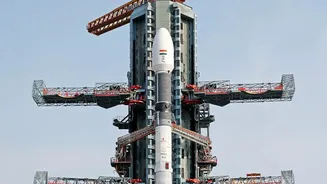
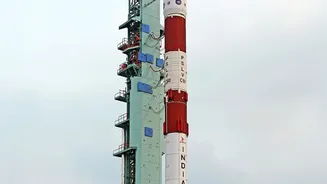
For decades, the primary challenge in space exploration was the launch itself—getting satellites safely into orbit. Today, for established players like the Indian Space Research Organisation (ISRO), that challenge has evolved. The new frontier is not
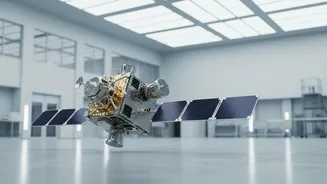
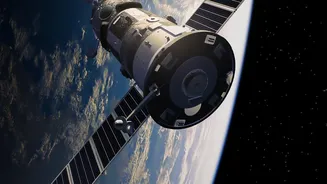
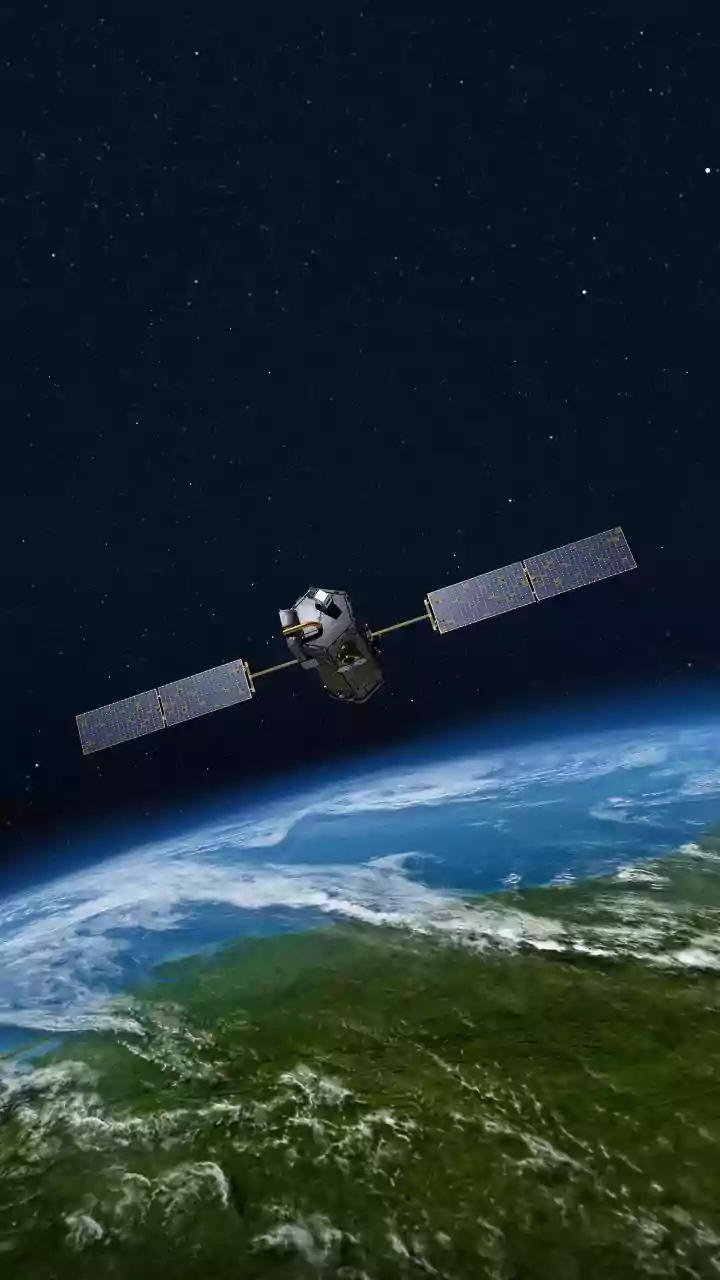
just about occupying space, but about making orbital assets smarter, faster, and more autonomous. This is where Artificial Intelligence (AI) comes in. Integrating AI into satellite operations is widely seen as the next logical leap, transforming them from passive data collectors following ground commands into proactive, decision-making platforms in space. This shift is crucial for managing the ever-growing constellations of satellites and the massive amounts of information they gather.
The Data Deluge Problem
Modern Earth observation satellites are incredibly powerful, capturing vast expanses of the planet in high resolution. This capability, however, creates a significant bottleneck. Satellites generate more data than they can efficiently send back to Earth, a process that consumes precious time and bandwidth. Often, a large portion of this data is unusable—for instance, images obscured by clouds. AI offers a powerful solution through onboard processing. Instead of transmitting terabytes of raw data, a satellite equipped with AI can analyze images in real-time, filter out the noise, identify relevant events like wildfires or floods, and send back only the crucial, actionable insights. This dramatically reduces latency, allowing for quicker responses during natural disasters and other time-sensitive events.
Smarter, Self-Sufficient Satellites
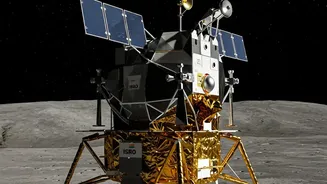
The benefits of AI extend far beyond data filtering. AI algorithms can enable satellites to operate with a high degree of autonomy. This includes tasks like autonomously correcting their own orbit to avoid space debris, optimizing power consumption by adjusting solar panels, and performing self-diagnostics to predict and flag potential hardware failures before they become critical. This level of self-sufficiency reduces the constant need for human oversight from ground stations, making missions more efficient and resilient. ISRO has already leveraged AI for navigation in its Chandrayaan missions and is developing an AI-enabled humanoid, Vyommitra, for the Gaganyaan program, showcasing its commitment to integrating this technology across its operations.
India's AI-in-Space Ecosystem
This technological push is not happening in a vacuum. ISRO is actively fostering an ecosystem that encourages AI development. Recent government policies, including the Indian Space Policy 2023 and relaxed FDI norms, have opened the doors for a vibrant private sector. A new wave of Indian space-tech startups is already making significant strides. Companies like Pixxel, SatSure, and Dhruva Space are using AI to provide everything from high-resolution hyperspectral imagery analytics to full-stack satellite solutions. Just recently, Bengaluru-based Digantara unveiled MOSAIC, an AI-powered surveillance network to track objects in Low Earth Orbit, underscoring the private sector's growing role in building India's sovereign space capabilities. These firms are not just supporting ISRO but are building independent, commercially viable solutions that position India as a key player in the global space economy.
The Hurdles Ahead
Despite the immense potential, the path to fully AI-integrated satellites is fraught with challenges. The space environment is incredibly harsh, with extreme radiation and temperatures that can damage sensitive electronics. AI systems require significant computational power, which is a scarce resource on a satellite with limited power and memory. Furthermore, there are substantial cybersecurity risks; an AI system could be a target for malicious actors seeking to compromise a mission. Developing robust, radiation-hardened hardware and secure, efficient algorithms is a complex engineering problem that requires significant investment and innovation. There are also legal and ethical questions surrounding autonomous decision-making in space that need to be addressed.