





The Meaning of a 'Destination' Award
In the competitive world of global tourism, 'Destination of the Year' is more than just a title; it's a powerful endorsement. Awarded by various prestigious bodies—from travel writer associations like PATWA to major trade shows and publications—these
accolades signal a country's readiness for the global spotlight. Winning such an award typically boosts a nation's profile, leading to increased media coverage, higher tourist arrivals, and significant economic benefits. The criteria often go beyond beautiful landscapes, evaluating infrastructure, safety, accessibility, and the overall visitor experience. For the winning country, it’s a validation of its tourism strategy and a magnet for future investment.
India's Growing Trophy Cabinet
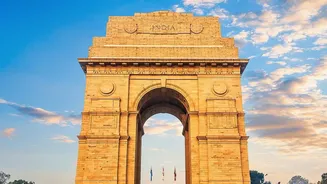
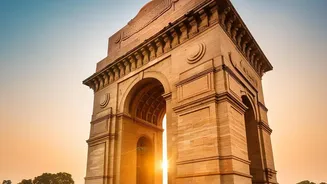
While a single, overarching 'Destination of the Year 2027' award is a symbolic goal, India is already accumulating significant praise. The World Travel Awards have consistently recognised various Indian states, with Kerala being named 'India's Leading Tourist Board 2026'. The country also hosts its own respected awards, such as the India Today Tourism Awards and the India Travel Awards, which celebrate everything from the best road journeys to top wildlife destinations. Furthermore, the Indian Subcontinent Responsible Tourism Awards, supported by the Ministry of Tourism, highlight a growing commitment to sustainability, with winners going on to compete on a global stage. These honours show that India's excellence is being recognised across diverse categories, from luxury to eco-tourism.
The Strategy Behind the Success
India's rise is no accident. It is the result of a deliberate, decade-long strategy to transform the tourism sector into a major economic engine. The government has launched ambitious initiatives like Swadesh Darshan 2.0, which focuses on developing sustainable, experience-based tourism circuits, and PRASHAD, aimed at upgrading infrastructure at major pilgrimage sites. This is backed by massive investment in connectivity, including the expansion of airports under the UDAN scheme, new Vande Bharat trains, and extensive highway networks. Reforms like the e-Tourist Visa programme have also made accessing the country easier for international visitors. This concerted effort is shifting tourism from just promoting destinations to building an integrated ecosystem that can support long-term growth.
Lessons from Past Global Winners
History shows that winning major destination awards can be transformative. Countries like Portugal, which secured 'Europe's Leading Destination' for 2026 from the World Travel Awards, often see a surge in arrivals and a stronger brand identity. Jamaica, named 'Global Destination of the Year' in 2024 by PATWA, leveraged the honour to highlight its unique cultural offerings and boost its romance and culinary tourism sectors. Similarly, after being named 'Destination of the Year' multiple times by TTG Asia, Thailand cemented its status as a top-tier global hub by aligning its marketing with modern trends like influencer culture. These examples provide a roadmap for India, demonstrating how a prestigious award can be a springboard for targeted marketing and sustained economic growth.
What This Means for India and Travellers
For India, becoming a destination of choice is a cornerstone of its economic vision. The travel and tourism sector is projected to nearly double in size over the next decade, potentially making India the world's fourth-largest tourism economy. This growth translates into widespread job creation and development. For travellers, this focus on improvement means a better experience on the ground. It promises improved infrastructure, more diverse and unique travel circuits—from spiritual and wellness retreats to adventure and eco-tourism—and a higher standard of service. As India continues its push toward 2027, the ultimate winner is the visitor who gets to explore an increasingly accessible, vibrant, and welcoming country.