




What Exactly Is 'Ultra-Processed'?
The term gets thrown around a lot, but what does it mean? The most widely used definition comes from the NOVA classification system, which categorises food by its level of processing. Group 1 is unprocessed or minimally processed foods like fresh fruits,
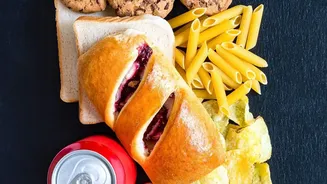
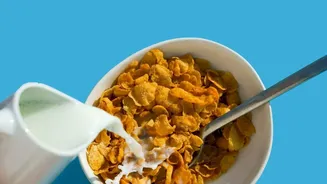
vegetables, dal, and meat. Group 3 covers processed foods, like canned vegetables or freshly made bread. The controversy centres on Group 4: ultra-processed foods (UPFs). These aren't just modified foods; they are industrial formulations made from substances extracted from foods (like fats, starches, and sugars) and synthesized in labs. They often contain ingredients you wouldn't find in a home kitchen, such as emulsifiers, thickeners, and artificial colours and flavours, designed to make them hyper-palatable and give them a long shelf life.
The Latest Alarming Evidence
Recent research has strengthened the links between high UPF consumption and a host of health problems. A study highlighted in early August 2026 found that diets high in processed foods are associated with an increased risk of venous thromboembolism (blood clots). Another study from February 2026 revealed that adults with the highest intake of UPFs had a 47% greater risk of heart attack or stroke. This builds on a large body of evidence from the past couple of years. Major studies have linked high UPF consumption to a greater risk of suffering from multiple chronic diseases at once, including cancer, diabetes, and heart disease. A study presented at the NUTRITION 2026 conference found that a staggering 81% of foods marketed to toddlers are ultra-processed, which can establish poor eating habits for life.
Beyond Sugar and Salt
For a long time, the debate was about the poor nutritional profile of UPFs—too much sugar, salt, and unhealthy fats. While that's true, new evidence suggests the problem is deeper. Research from Tufts University indicates that the industrial processing itself may be a risk factor, independent of the nutrients. The process can alter the food's cellular structure, strip out beneficial compounds like fibre and polyphenols, and introduce industrial chemicals from packaging. Furthermore, additives like emulsifiers and artificial sweeteners, common in UPFs, are being studied for their potential to disrupt gut health, increase intestinal inflammation, and alter the microbiome. It's not just what's in the food, but what's been done to the food.
The Indian Context
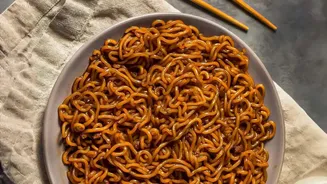
This is not just a Western problem. India is experiencing a rapid dietary transition. The market for ultra-processed foods in India grew at a compound annual rate of 13.37% between 2011 and 2021. Consumption is rising across all income groups, with items like packaged biscuits, salty snacks, noodles, and sugary drinks becoming staples. According to one report, the sales value of UPFs in India shot up from around $900 million in 2006 to over $37.9 billion by 2019. This shift corresponds with a rising burden of non-communicable diseases (NCDs) like diabetes and obesity in the country. While traditional home cooking remains strong, the convenience and aggressive marketing of UPFs are changing how Indians eat, especially in urban areas.
Making Smarter Choices
The evidence can feel overwhelming, but the goal isn't to eliminate every single packaged food. The key is awareness and moderation. Experts suggest focusing on a dietary pattern rather than demonising individual items. A simple approach is to prioritise whole or minimally processed foods—the things that don't have a long list of ingredients. When buying packaged goods, read the label. If you see a list of unfamiliar chemical names (like protein isolates, hydrogenated oils, or various syrups), it's likely a UPF. Reducing consumption of sugary drinks, packaged snacks, and pre-made meals can make a significant difference. One study even suggested that replacing just 10% of UPFs with minimally processed alternatives could lower cancer risk. The idea is to shift the balance of your plate back towards fresh, simply prepared foods whenever possible.