






The Monsoon Menace: Whiteflies
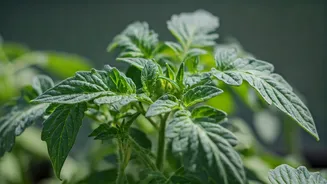
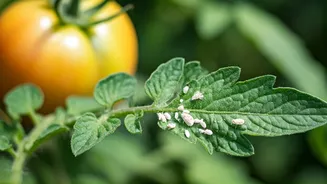
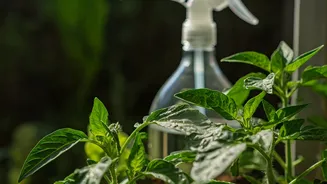
As the rains arrive, so do the whiteflies. These small, moth-like insects gather on the undersides of leaves, sucking the life-giving sap from your beloved plants. [14] The high humidity and wet conditions of the Indian monsoon create a perfect breeding
ground for them. [9, 13] An infestation can quickly lead to yellowing, withered leaves and the growth of sooty mould, which further damages the plant by hindering photosynthesis. [14] Common targets in balcony gardens include hibiscus, brinjal, tomato, and various ornamental plants, making vigilance crucial during this season. [14, 25]
Why Neem Oil is Your Garden’s Best Friend
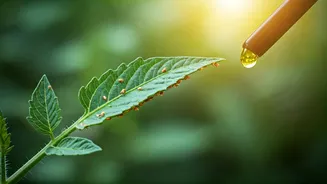
For centuries, neem oil, extracted from the seeds of the Azadirachta indica tree native to the Indian subcontinent, has been a cornerstone of traditional agriculture. [7, 13] Its power lies in a cocktail of over 150 active compounds, most notably Azadirachtin. [2, 20] This compound doesn't kill pests on immediate contact like harsh chemicals. Instead, it works in several clever ways: as an antifeedant, it makes the leaves taste bad; as a repellent, its strong smell deters pests; and as a growth regulator, it disrupts the insects' hormonal systems, preventing them from moulting, reproducing, and maturing. [2, 6, 20] This multi-pronged attack breaks the pest life cycle, controlling current infestations and preventing future ones. [15, 18]
Choosing the Right Neem Oil
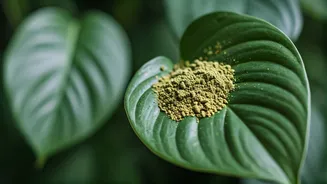
Not all neem oil is created equal. For gardening purposes, always choose 100% pure, cold-pressed neem oil. [4, 7] The cold-pressing method crushes the seeds without heat, preserving the highest concentration of Azadirachtin and other beneficial compounds. [2, 7] Cheaper versions, often labelled as clarified hydrophobic extract of neem, have had the Azadirachtin removed and are far less effective. [2, 18, 22] Pure neem oil is typically brownish-yellow and has a strong, pungent smell often described as a mix of garlic and nuts—that's how you know you have the good stuff. [4, 13]
Your Step-by-Step Application Guide
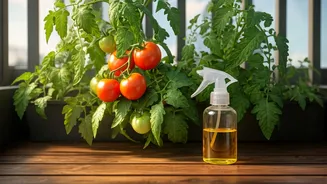
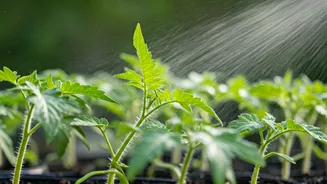
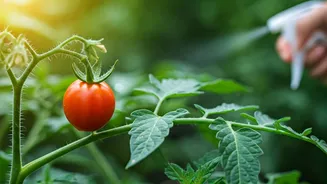
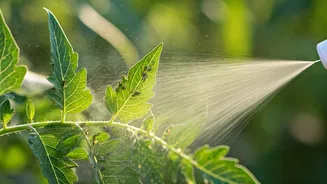
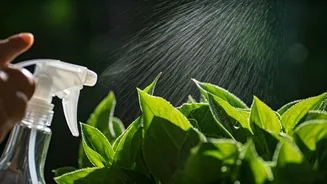
Applying neem oil is simple. The key is to create a properly emulsified spray solution, as oil and water don't mix on their own. For a standard 1-litre spray bottle, follow this recipe: mix 1 teaspoon (5ml) of pure, cold-pressed neem oil with half a teaspoon (2.5ml) of a mild liquid soap (like a simple dish soap or castile soap) in 1 litre of warm water. [16] The soap acts as an emulsifier, allowing the oil to mix with the water. Shake the bottle vigorously before and during application. Spray your plants thoroughly in the early morning or late evening, as applying neem oil in direct sunlight can burn the leaves. [3, 5] Be sure to coat the undersides of all leaves, as this is where whiteflies love to hide and lay their eggs. [15, 21]
Frequency and Important Precautions
For an active infestation, reapply the neem oil spray every 5-7 days. [3] To prevent pests during the monsoon, a maintenance spray every 10-14 days is sufficient. [6, 10] While neem oil is organic and safe for humans and pets when used as directed, it's wise to take precautions. [5] Always test the spray on a small part of the plant and wait 24 hours to check for sensitivity, especially on delicate seedlings or stressed plants. [3, 5] Though it is less harmful to beneficial insects like bees and ladybugs than synthetic pesticides because it primarily targets pests that chew on leaves, it's best to spray when these pollinators are less active. [5, 16] Always wash any produce from treated plants thoroughly before consumption. [5, 6]