








Understanding the Inflation Numbers
The government released data on October 14 showing that the Wholesale Price Index (WPI) surged to 11.39% in September 2026, a sharp rise from 9.92% in August. This index measures the price changes of goods sold in bulk by wholesalers. Think of it as the price at the factory
gate or the mandi, before products are marked up for retail sale. While you don't pay wholesale prices directly, a rise in the WPI is often a strong early warning that retail prices—what you pay in stores—are likely to increase soon.
The Main Culprits: Fuel and Food
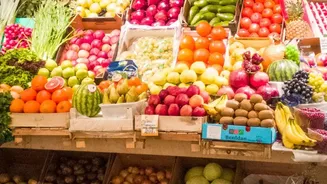
The primary drivers behind this surge are the costs of fuel, power, and food. Inflation in the 'fuel and power' category soared to an alarming 25.85%. This is largely due to elevated global crude oil prices, which increase the cost of petrol and diesel. This has a domino effect, making transportation more expensive for everything from vegetables to manufactured goods. Simultaneously, the WPI food index inflation rose to 8.66%. This reflects higher prices for essential primary food articles like vegetables, pulses, and cereals at the wholesale level.
From Factory Gate to Your Plate
There is a natural lag, but rising costs for producers and manufacturers almost always trickle down to the consumer. When a company pays more for raw materials—be it steel, chemicals, or agricultural produce—and more for the fuel to transport those goods, they often pass these extra costs on to protect their profit margins. This means the price of everything from a packet of biscuits and soap to a new motorcycle can increase. Economists are already seeing this in the data for manufactured products, where wholesale inflation climbed to 9.76%.
What Gets Pricier? Bracing for Impact
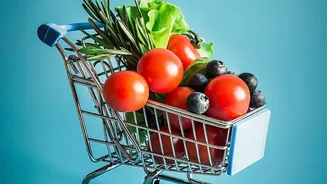
Indian households should prepare for a potential rise in the cost of a wide range of items. Your monthly grocery bill is likely to be the first place you feel the pinch, with food inflation at the wholesale level already high. Key drivers included mineral oils, food articles, basic metals, textiles, and chemicals. This indicates that beyond food, the cost of running a vehicle, personal care products, clothing, and even electronic equipment could see upward revisions in the coming months. Retail inflation, measured by the Consumer Price Index (CPI), has already accelerated to a near two-year high of 5.54% in September, driven by food and fuel costs, showing the pass-through effect is already beginning.
What Does This Mean For You?
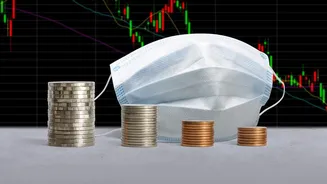
The immediate impact is a reduction in purchasing power. Your monthly budget may not stretch as far as it used to. This is especially true for households with tight budgets, where non-discretionary spending on food and transport makes up a large portion of their expenses. While the Reserve Bank of India has already raised interest rates to combat rising prices, economists predict that wholesale inflation will remain in double digits for the near future, suggesting that price pressures are not over yet. Being more mindful of expenses, planning budgets, and distinguishing between needs and wants will become increasingly important for families across the country.