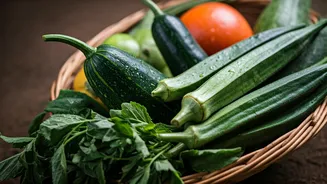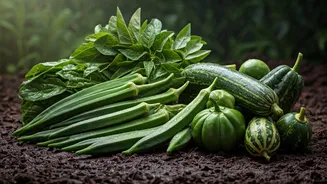





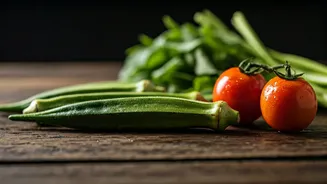
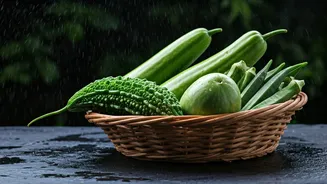


1. Bottle Gourd (Lauki): The Hydration Hero
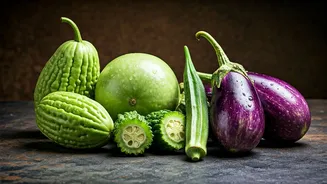
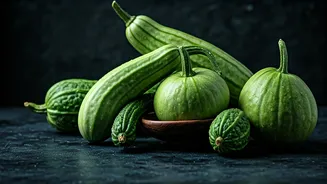
Often overlooked, lauki is a true superstar of the monsoon season. Composed of over 90% water, it's incredibly hydrating and exceptionally easy to digest, making it a soothing choice for the sensitive digestive systems common during this time. Its high
fibre content aids in preventing constipation and promoting a healthy gut. Rich in vitamins C, B, and essential minerals like sodium and iron, it helps replenish electrolytes lost through sweating in humid weather. Its mild, almost neutral flavour makes it incredibly versatile. It absorbs the taste of spices beautifully, making it perfect for simple sabzis, flavourful curries, comforting soups, or even savoury koftas. A classic lauki chana dal is a rainy day staple for a reason: it’s light on the stomach yet deeply nourishing.
2. Ridge Gourd (Turai): The Immunity Booster
Ridge gourd, or turai, is another monsoon vegetable that flourishes when the rains arrive. It's a fantastic source of Vitamin C and zinc, both of which are crucial for bolstering your immune system to fight off seasonal infections like colds and coughs. Its purifying properties are also praised in traditional medicine, believed to help cleanse the blood and improve skin health. The vegetable is packed with dietary fibre, which helps in regulating blood sugar levels and maintaining digestive wellness. When cooked, turai becomes soft and tender with a subtly sweet taste. It pairs wonderfully with lentils, can be stir-fried with minimal spices, or used to make a simple, light curry that feels like a warm hug on a grey, rainy afternoon. Look for young, tender gourds for the best flavour and texture.
3. Pointed Gourd (Parwal): The Gut Guardian
Parwal is a powerhouse of nutrients that becomes widely available during the monsoon. It's particularly valued for its ability to keep stomach ailments at bay. Rich in fibre and antioxidants, it aids digestion, helps control gas and acidity, and keeps the liver functioning smoothly—all common concerns during this season of high humidity and water-borne risks. Parwal is also loaded with vitamins A and C, which contribute to better immunity and overall health. This hardy vine vegetable can be prepared in numerous ways. It can be stuffed with a masala filling (bharwa parwal), fried until crisp, or added to rich gravies. Its ability to maintain a firm texture even after cooking makes it a satisfying addition to any meal.
4. Bitter Gourd (Karela): The Cleansing Champion
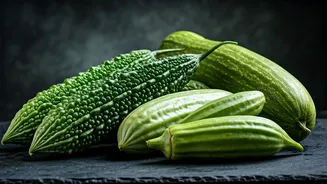
While its bitter taste can be divisive, karela is one of the most beneficial vegetables you can eat during the monsoon. It's renowned for its medicinal properties, particularly its ability to help regulate blood sugar levels, making it a boon for diabetics. It's also a potent blood purifier and is packed with antioxidants that combat free radicals, helping to prevent infections. The monsoon varieties are often considered slightly less bitter and more tender. To reduce its bitterness, you can scrape the skin, remove the seeds, and salt it for about 30 minutes before cooking. Whether you prefer it stir-fried until crispy, stuffed with spices, or in a tangy curry, incorporating karela into your diet is a great way to cleanse your system and stay healthy through the season.
5. Sweet Potato (Shakarkandi): The Energy Powerhouse
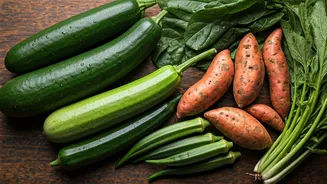
As the weather cools, our craving for warm, comforting foods increases, and sweet potato is the perfect answer. This root vegetable thrives in well-drained soil, making the post-shower period ideal for its growth. Unlike regular potatoes, sweet potatoes are complex carbohydrates that provide sustained energy without spiking your blood sugar. They are an excellent source of beta-carotene, a precursor to Vitamin A, which is essential for good vision and a strong immune system. They are also rich in fibre, promoting gut health. Simply roasting, boiling, or steaming shakarkandi and sprinkling it with a bit of chaat masala makes for a delicious and healthy snack on a rainy evening.
6. Indian Squash (Tinda): The Gentle Giant
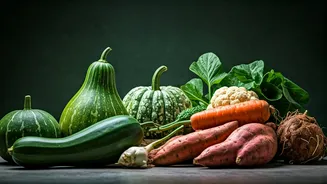
Tinda, also known as apple gourd or Indian round gourd, is a mild and gentle vegetable that is perfect for the monsoon diet. Its high water content and low-calorie profile make it light and easy to digest. It is known for its cooling effect on the body, which can help soothe the digestive tract and prevent acidity. Tinda is a good source of antioxidants and anti-inflammatory properties that help protect the body from seasonal illnesses. Its subtle flavour makes it an excellent vehicle for spices. It’s most commonly cooked as a simple sabzi with tomatoes and onions, but it can also be stuffed or added to lentil dishes to enhance their nutritional value without overpowering the dish's flavour.