




A Mission of Firsts
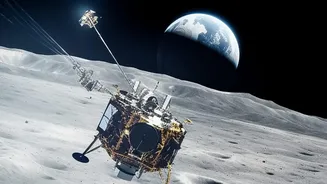
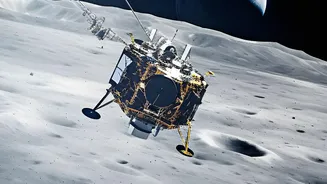
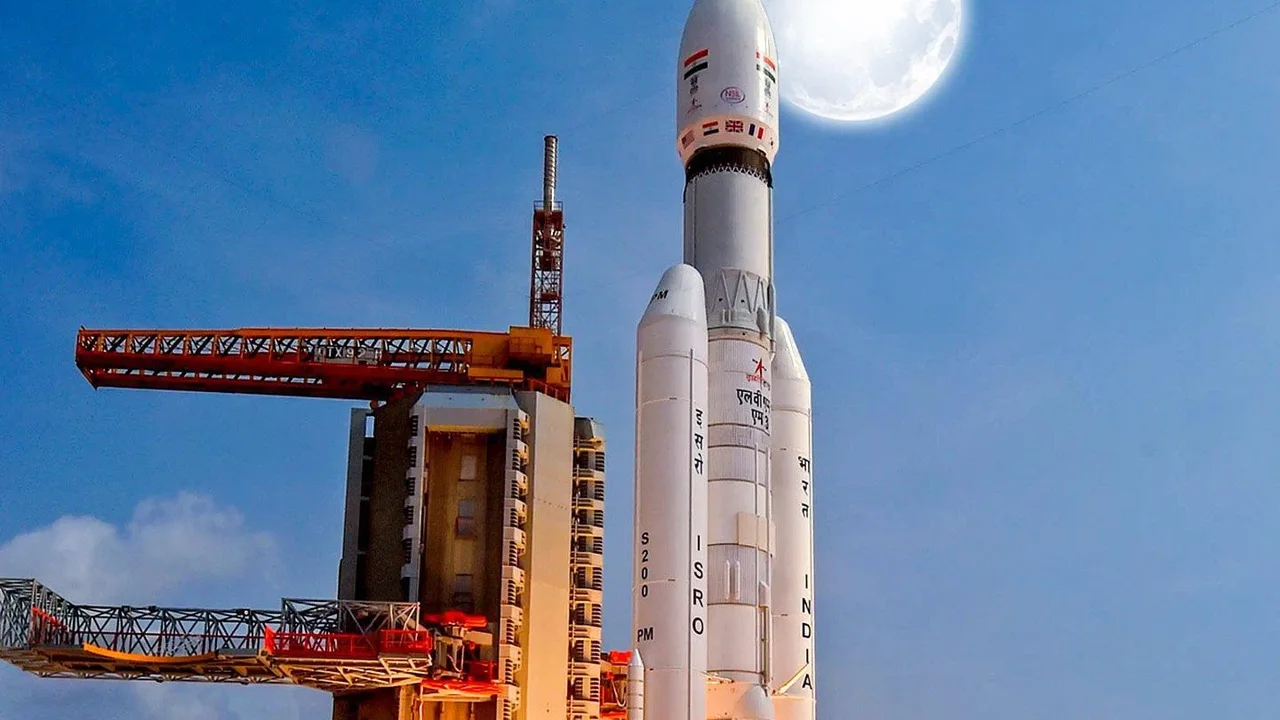
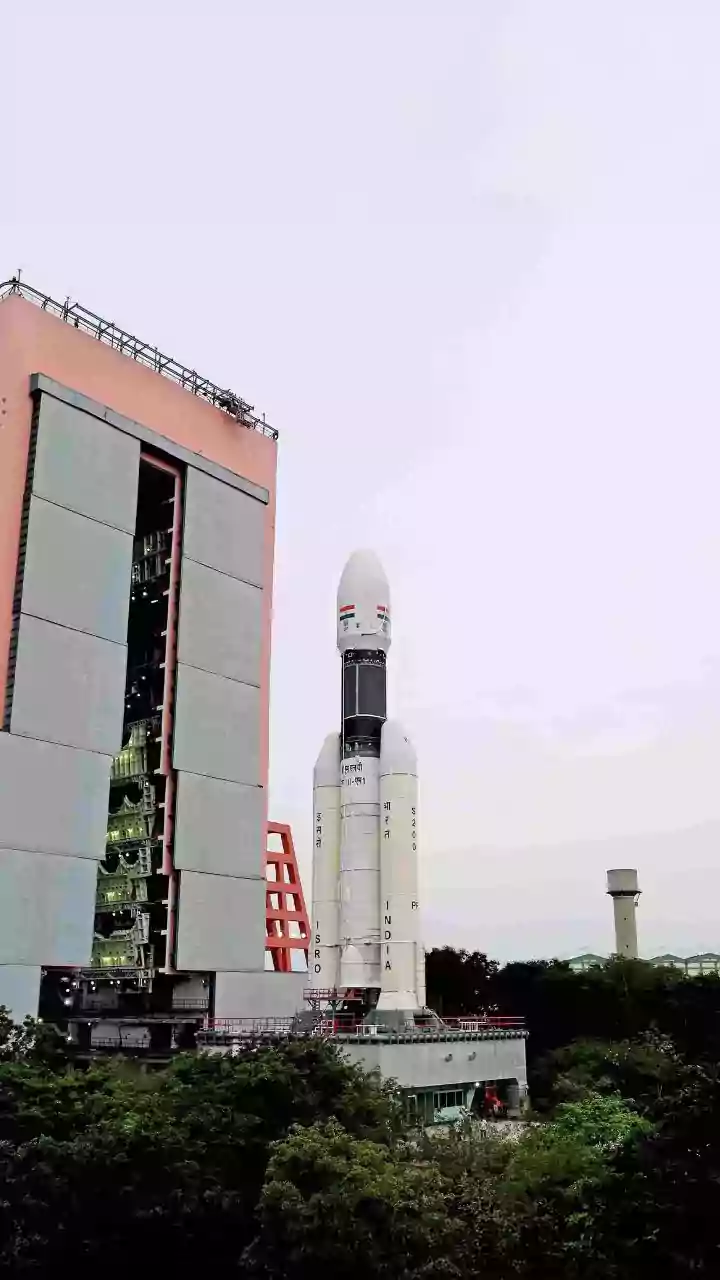
The Chandrayaan-3 mission, a landmark achievement for the Indian Space Research Organisation (ISRO), made history by successfully landing the Vikram lander near the Moon's south pole. But the mission's contributions were just beginning. Onboard Vikram was
a suite of instruments designed to study this unexplored region, including one that would literally scratch beneath the surface: the Chandra’s Surface Thermophysical Experiment, or ChaSTE. This ingenious device was designed to do something no mission had done before at the lunar south pole: take the temperature of the soil, or regolith, down to a depth of 10 centimetres. The data it sent back is proving to be even more revolutionary than first thought.
Uncovering a Three-Layer Cake
Scientists analysing the ChaSTE data have discovered that the lunar topsoil at the Shiv Shakti Point landing site isn't a uniform blanket of dust. Instead, it's structured like a three-layer cake, with each layer having distinct properties. The findings, published in a Nature Portfolio journal, identify a highly porous top layer just three centimetres deep. This layer is followed by a middle section from three to six centimetres with higher thermal conductivity, and finally a denser bottom layer from six to ten centimetres. Researchers noted that such fine-scale layering was neither observed nor expected before. This complex structure was revealed through meticulous analysis of the thermal and physical data collected by the ChaSTE probe as it penetrated the ground.
From Fluff to Firm Ground
The differences between these layers are stark. The very top layer is incredibly light and porous, with a porosity of about 80% and a density of around 600 kg per cubic metre—like walking on dry flour. But just a few centimetres down, the material changes dramatically. By a depth of 10 cm, the density more than doubles to 1,500 kg per cubic metre, and its cohesiveness, or 'grippiness', increases significantly. This transition was further highlighted by an impromptu experiment: the Vikram lander's 'hop', where it fired its engines to lift off and land again a short distance away. The engine blast blew away the top 2-3 cm of fluffy dust, allowing ChaSTE to measure the firmer, underlying layer directly.
A Thermal Blanket with Huge Implications
The layered structure has a profound effect on how heat moves through the lunar surface. ChaSTE recorded a massive temperature difference of about 73 Kelvin (a 73-degree Celsius drop) from the sun-baked surface to 10 cm deep at local noon. The top, porous layer acts as an incredibly effective thermal insulator, trapping heat at the surface while keeping the subsurface frigid. This discovery has massive implications for future lunar exploration. Understanding this insulation is critical for designing habitats and infrastructure that can withstand the Moon's extreme temperature swings. It also affects our search for water ice; this insulating blanket could help protect subsurface ice deposits from vaporizing, even in regions that get some sunlight.
Rewriting the Lunar Playbook
This detailed, in-situ profiling of the Moon's high-latitude southern region is a world-first and a testament to the success of Chandrayaan-3. Previous knowledge was based on models and data from equatorial missions like Apollo, which did not suggest such complexity. By providing 'ground truth', the Vikram lander's data is forcing scientists to update their models of the lunar surface. The findings show that the Moon's regolith is not a simple, homogenous material but a dynamic and varied environment shaped by micrometeorite impacts and other processes over billions of years. This new understanding is essential not only for science but for the practical challenges of building a sustainable human presence on the Moon.