
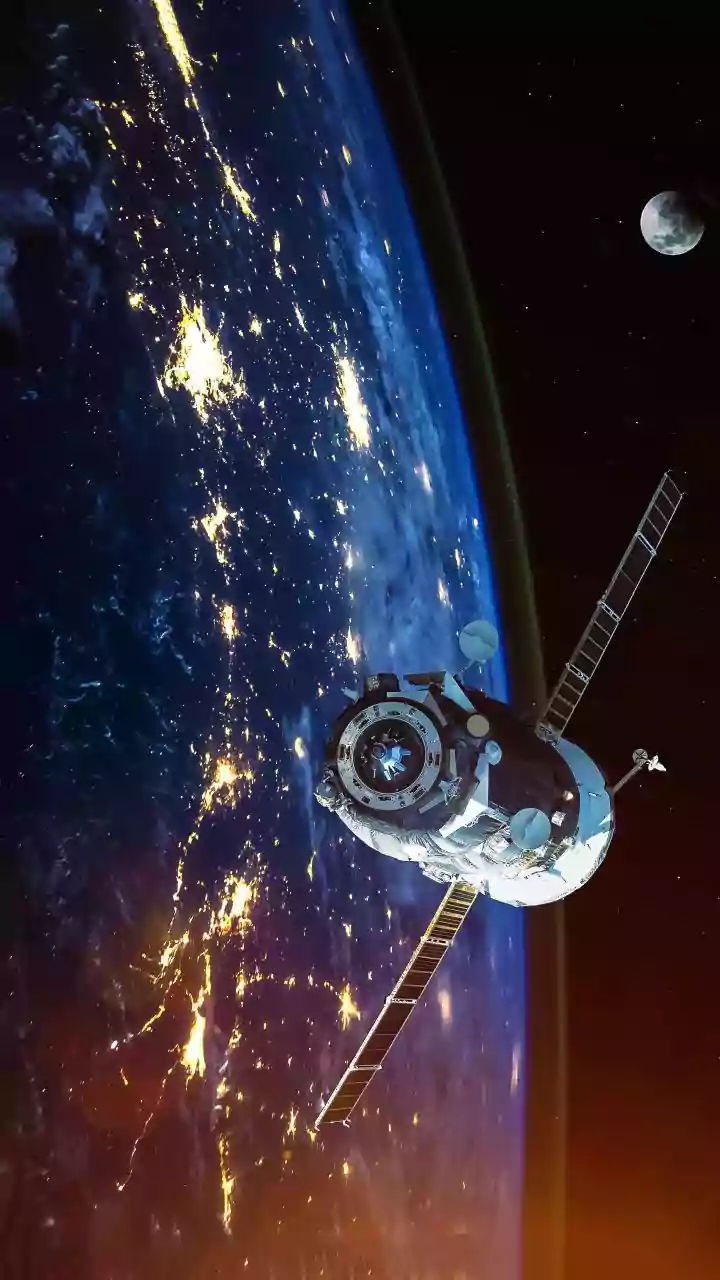


Elon Musk's satellite internet service, Starlink, has been a lifeline for Ukraine since 2022. But new, unexpected restrictions have suddenly hampered its military use, creating chaos and raising urgent questions about who is truly in control.
A Battlefield Game-Changer
Since the
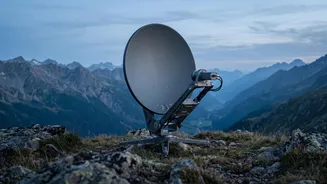
early days of Russia's full-scale invasion, SpaceX's Starlink has been indispensable for Ukraine. When Russian attacks destroyed conventional communication infrastructure, the portable satellite terminals provided a resilient internet connection for civilians, emergency services, and, most critically, the military. On the battlefield, Starlink supports everything from basic communication between units to the complex drone operations that have become a hallmark of this war. Ukraine uses a military-grade version called Starshield, which offers enhanced security and is provided under a contract with the US Department of Defense. This system has been described as the 'backbone' of the Ukrainian army, crucial for both offensive strikes and air defence.
The Sudden Disruption
Around October 14, 2026, Ukrainian military officials reported that Starshield services were suddenly restricted without warning. The new rule imposed a speed limit, cutting off connectivity for terminals moving faster than 100 miles per hour (about 160 km/h). This immediately disrupted several missions, with commanders reporting lost drones and aborted operations. The restriction has a direct impact on Ukraine's ability to operate its fleet of mid-range strike drones and, crucially, its interceptor drones used to shoot down fast-moving Russian attackers. President Volodymyr Zelensky confirmed that because of the speed limitations, Ukraine's interceptor drones were not operating as needed.
Who Is Responsible?
The question of who ordered the restriction has created a storm of confusion and accusations. Elon Musk stated on his social media platform, X, that Starshield systems are owned and controlled by the US government and that any limits are decided by the US military and the President. He distinguished this from the commercial Starlink service, which he said cannot be used for offensive military action. However, reports soon emerged suggesting Musk himself proposed the idea of a speed cap to US President Donald Trump, who agreed. President Trump has publicly denied that either he or Musk was responsible for the slowdown. Meanwhile, other reports, citing anonymous US officials, claimed the order came from within the White House, though not directly from the President. This has left Ukrainian officials and international observers uncertain about the chain of command and the motives behind the decision.
Geopolitical Tremors
The incident has highlighted Ukraine's critical dependence on a single private company for a vital wartime capability. The timing is also sensitive, coming amid strained relations between Kyiv and Washington over President Trump's declaration of an 'energy ceasefire' and calls for Ukraine to halt strikes on Russian oil refineries. Ukrainian officials have framed the disruption as a deliberate act of pressure. President Zelensky stated that Russia was attempting to take advantage of the problems with Starlink. The situation exposes a significant vulnerability for Ukraine and raises broader questions about the power of private tech companies and their leaders to influence the outcome of international conflicts.