
The Ultimate Time-Saver
The most significant advantage of one-pan cooking is the time it gives back to you. Instead of juggling multiple pots and pans, monitoring different cooking times, and moving between various steps, everything happens in a single vessel—be it a skillet,
a sheet pan, or a kadai. This streamlined approach means less active time in the kitchen. Once the ingredients are prepped and in the pan, the heat does most of the work, leaving you free to unwind, catch up on emails, or spend time with family. Many one-pan recipes are designed to be ready in 30 minutes or less, making a home-cooked meal faster than waiting for a takeaway delivery.
A Revolution in Cleanup
For many, the biggest deterrent to cooking at home is the mountain of dishes that follows. One-pan meals solve this problem beautifully. With only one cooking vessel to wash, along with a knife and a cutting board, post-dinner cleanup becomes incredibly fast and effortless. This might seem like a small detail, but for a professional winding down after a taxing day, spending less time scrubbing pots means more time for relaxation and rest. This minimal cleanup makes the entire process of cooking at home feel more manageable and sustainable on a daily basis.
Healthy, Home-Cooked Meals Made Easy
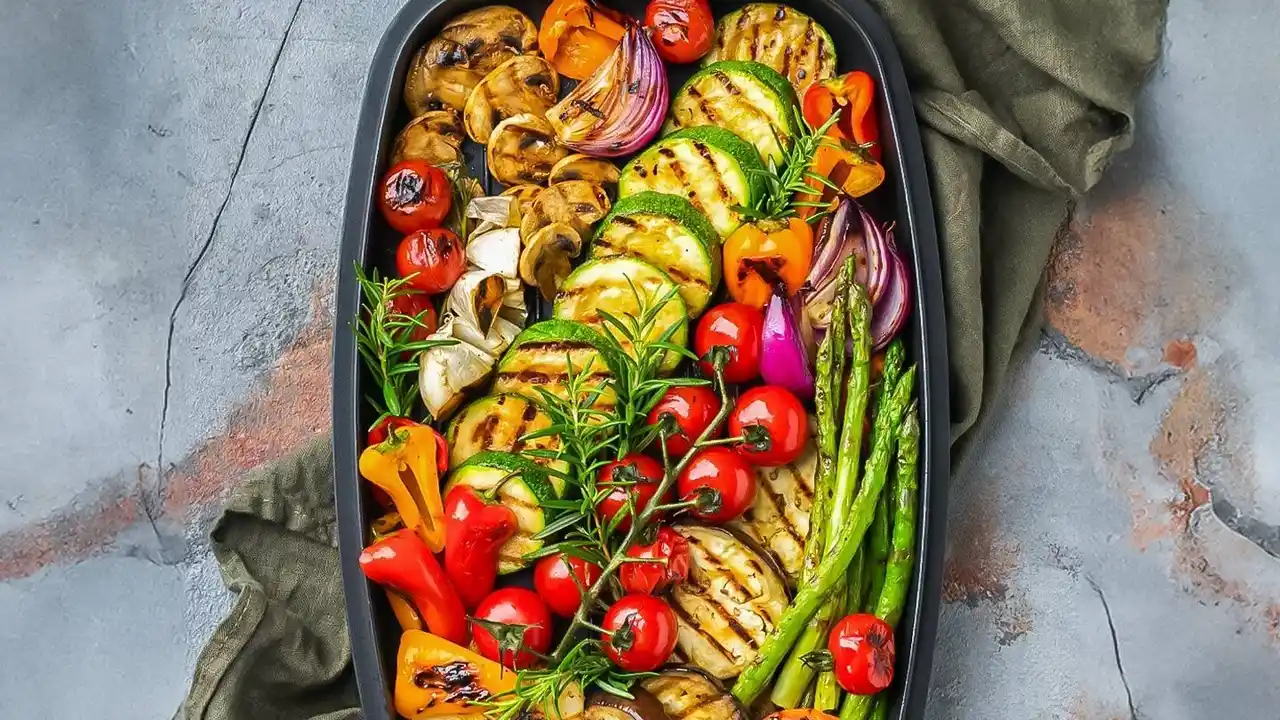
Ordering out frequently can lead to a diet high in sodium and unhealthy fats. One-pan dinners offer a simple way to regain control over your nutrition. When you cook at home, you decide the ingredients, the amount of oil, and the portion sizes. The format makes it easy to create a balanced meal by combining a lean protein (like chicken, paneer, or fish), plenty of vegetables, and a healthy carbohydrate all in one go. Roasting or sautéing in a single pan can also help retain more nutrients compared to methods like boiling, where vitamins can be lost in the discarded water. This approach makes healthy eating feel less like a complex project and more like a simple, everyday choice.
A Nod to Indian Culinary Traditions
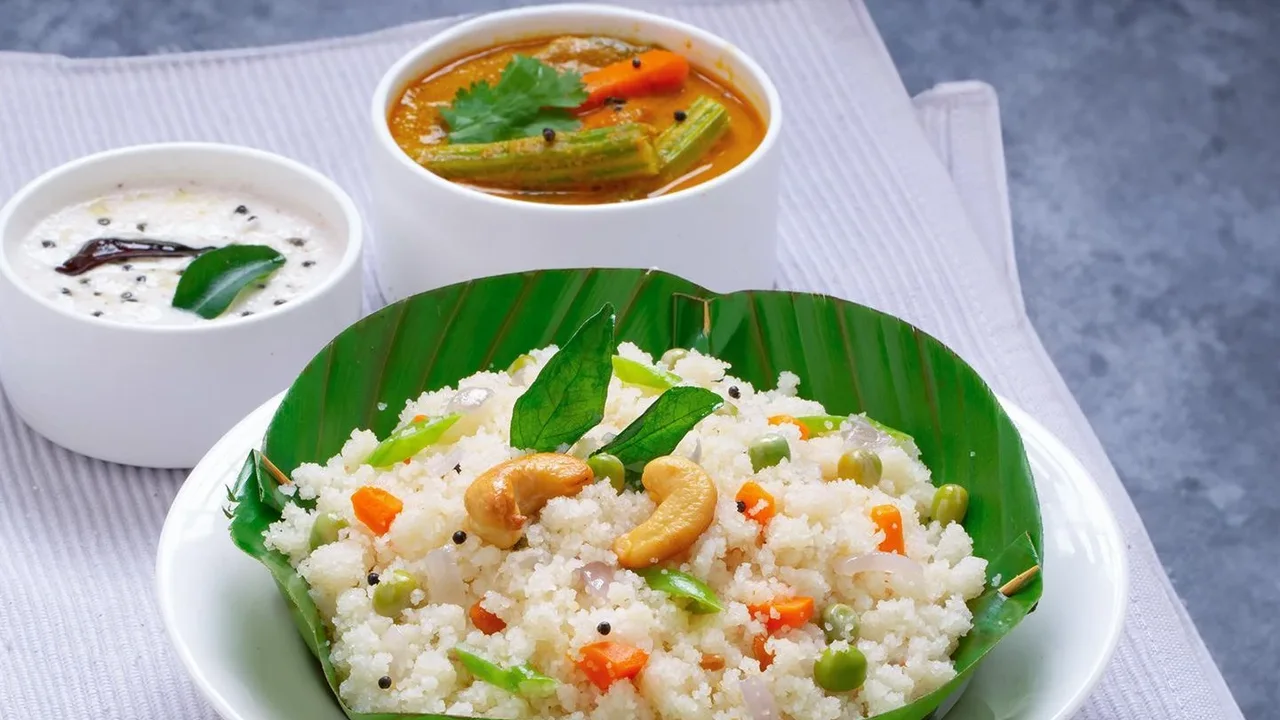
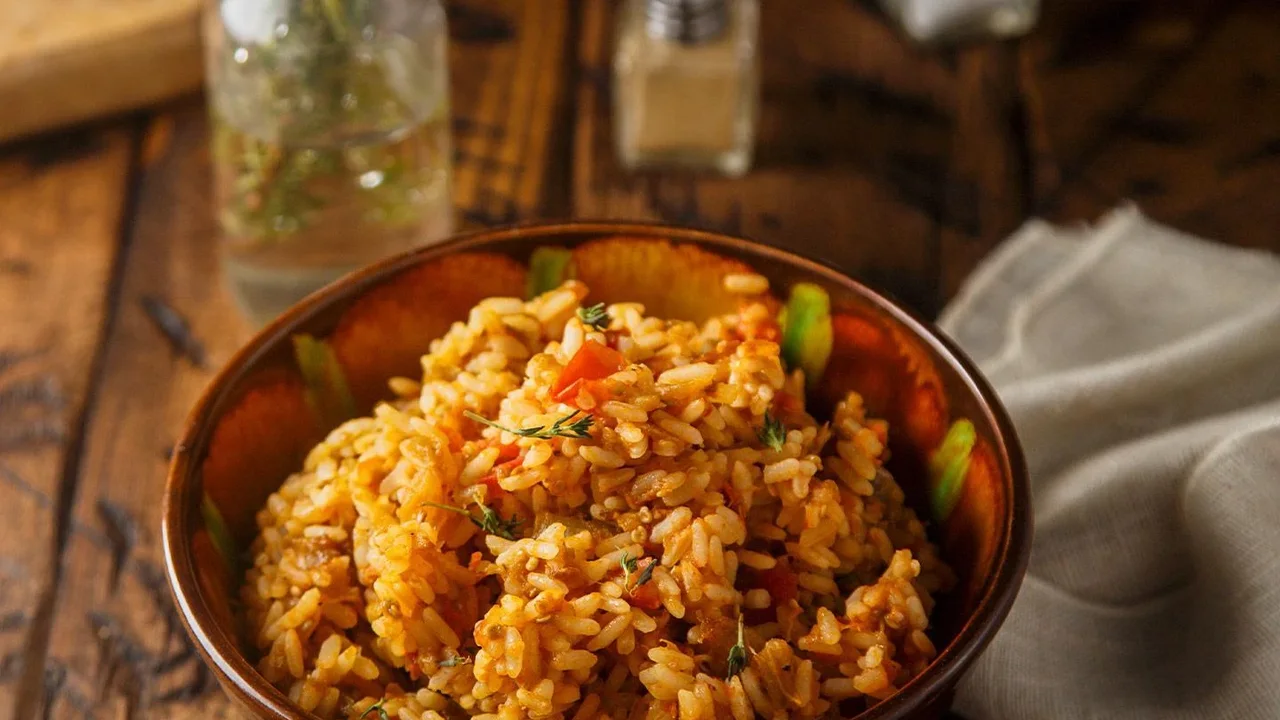
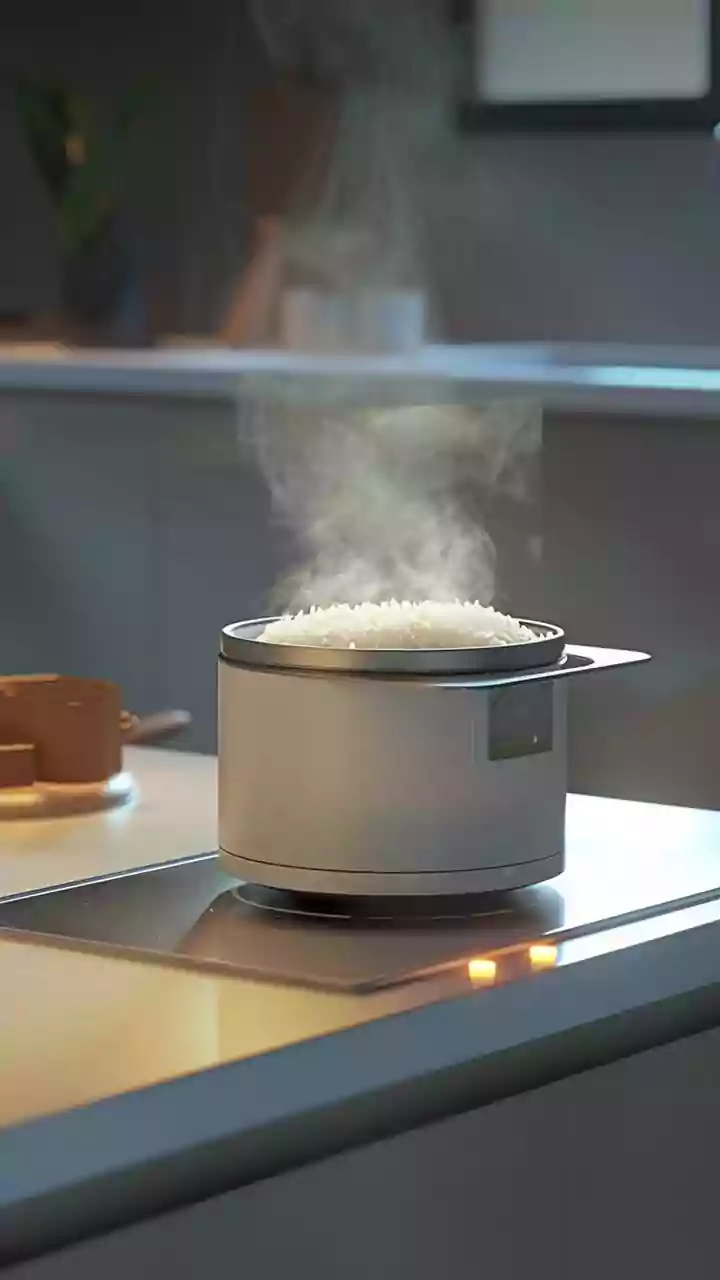
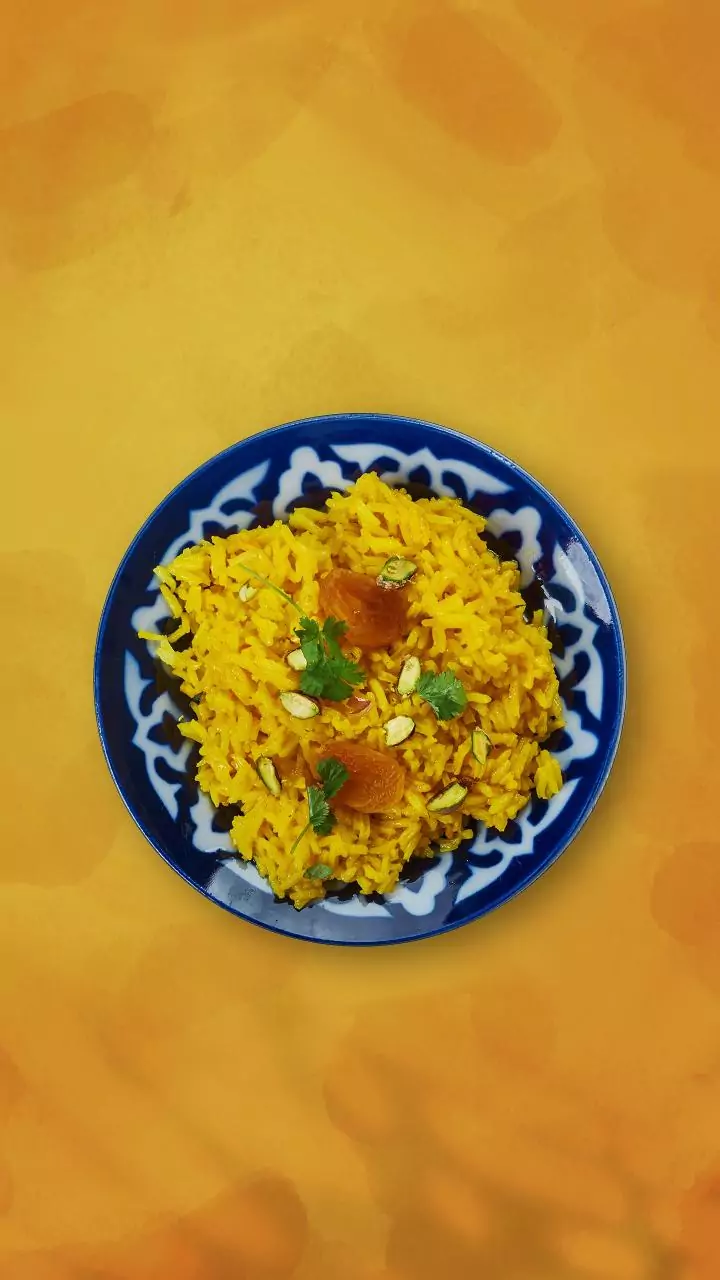
While the term 'one-pan dinner' might sound modern, the concept is deeply rooted in Indian cuisine. Dishes like Khichdi, Pulao, and Biryani are classic one-pot meals that have been staples in Indian households for centuries. These dishes are celebrated for their depth of flavour, which develops as the ingredients and spices meld together in a single vessel. Modern one-pan cooking applies this same principle to a wider variety of recipes, including sheet-pan tandoori chicken or skillet vegetable sabzi. It proves that convenience doesn't mean compromising on the authentic, layered flavours that are central to Indian food. The emotional comfort of a home-cooked meal like Khichdi after a long day is something many professionals cherish.
Budget-Friendly and Less Wasteful
Regularly ordering food can take a significant toll on your finances. One-pan meals are an incredibly budget-friendly alternative. They often rely on pantry staples like lentils, rice, and seasonal vegetables, which are affordable and easy to source. This style of cooking also helps reduce food waste. It’s the perfect way to use up any lingering vegetables in your fridge—simply chop them up and add them to the pan. Because you're creating a complete meal in one go, you're less likely to have random, unused ingredients left over at the end of the week. Many one-pan meals also make for great leftovers, solving the next day's lunch problem in the process.