







The First Domino: Road Travel and Taxis
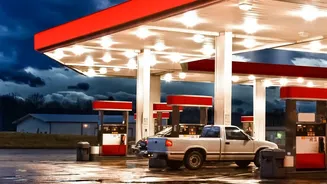
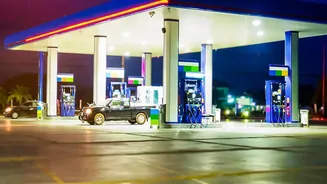
The most immediate and noticeable impact of rising oil prices will be felt on the roads. Costs for personal vehicles, taxis, and app-based cab services are the first to rise because they are directly linked to the retail prices of petrol and diesel. Unlike
regulated fares, these costs adjust almost in real-time. When oil marketing companies increase fuel prices, the change reflects at the pump within days, if not hours. For anyone driving their own car, the cost per kilometre simply goes up. For those relying on cabs, the effect is just as swift. Taxi driver associations often push for fare revisions citing the squeeze on their earnings, as fuel is a primary operational expense. App-based aggregators may also increase their surge pricing multipliers or base fares to compensate for higher driver costs, a move that directly passes the expense to the commuter.
Next in Line: Air Travel Costs
Airfares are the next to feel the heat, although the increase might not be as instantaneous as with road transport. Airlines are heavily dependent on Aviation Turbine Fuel (ATF), which can account for 35-40% of their total operating costs. On September 1, 2026, ATF prices for domestic airlines in India saw a significant hike of 5.46%, the second consecutive monthly increase. This surge, driven by global crude prices rising above $91 per barrel, puts immense pressure on airline margins. While airlines might initially absorb some of the cost to remain competitive, sustained high ATF prices inevitably lead to higher ticket prices. This is often done by raising the fuel surcharge component of the airfare. Passengers booking last-minute flights are likely to see these hikes first, while those booking well in advance may secure lower fares before the adjustments fully kick in.
The Slower Climb: Freight, Buses, and Trains
Costs related to logistics and mass public transport like railways and state-run buses tend to increase more slowly. The logistics sector, which primarily uses diesel, feels the cost pressure immediately, and transport associations often introduce a 'Fuel Adjustment Factor' to pass costs on to businesses. This means the cost of transporting goods rises, which can indirectly make your holiday more expensive by increasing prices for everything from food at hotels to other essential supplies. However, passenger fares for government-regulated services like Indian Railways and state transport buses are not adjusted as frequently. These fares are often politically sensitive, and any increase usually requires a formal policy decision, which can take time. While rising diesel costs do increase their operational expenditure, the fare hike for the common passenger is often delayed and less volatile compared to air or taxi fares.
Why This Order of Impact?
The sequence of price hikes is all about how directly and quickly fuel costs can be passed on to the consumer. Road travel costs are the most flexible and unregulated, allowing for immediate price adjustments at the pump and in taxi fares. The aviation sector, with its massive fuel consumption and competitive nature, follows closely behind as airlines cannot absorb high ATF costs for long. Finally, the heavily regulated and subsidised public transport sector is the slowest to react, shielding passengers from immediate volatility but eventually adjusting over a longer period. This hierarchy is a direct reflection of market dynamics, regulation, and the role fuel plays in the operational model of each transport segment. For travellers, this means the cost of a cab to the airport will likely rise before the flight ticket itself, and both will almost certainly increase before the price of a train ticket for the same journey.