




The Common Chutney Catastrophe
The perfect green chutney is a cornerstone of Indian snacking, a zesty companion to everything from samosas and pakoras to sandwiches and chaat. Yet, it can be surprisingly tricky to get right at home. The most common failures are legendary. There’s the
‘colour fade’, where your brilliant green herbs turn into a dull, unappetizing sludge. Then comes the ‘watery mess’, a chutney so thin it pools at the bottom of the plate instead of clinging lovingly to your food. Finally, there’s the flavour imbalance—too bitter from the coriander stems, not sour enough, or just bland. These issues are so common that many home cooks simply give up, resigning themselves to store-bought options that lack the freshness and punch of a homemade batch. But the truth is, avoiding these pitfalls is surprisingly simple once you understand the science behind it.
The Master Recipe: Perfect Coriander-Mint Chutney
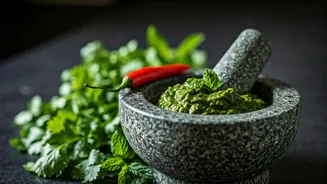
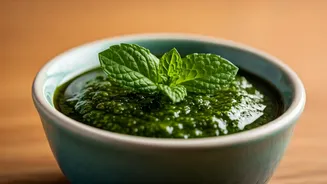
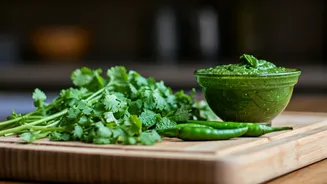
This recipe is designed to be a reliable foundation. It tackles all the common problems head-on, ensuring a thick, vibrant, and flavourful result. Think of this as your master blueprint. Once you’ve nailed this version, you can adapt it to your heart’s content. But first, let’s build that perfect base. The key isn't in exotic ingredients, but in how you treat the simple, fresh ones you already have. We are aiming for a chutney that is bright green, has a dipping consistency, and a perfectly balanced tangy, spicy, and fresh flavour profile.
Ingredients for Success
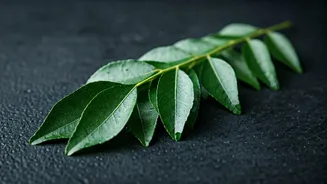
Here's what you will need. Pay close attention to the notes, as they are part of the secret! * Coriander (Dhania): 2 large cups, packed. Use fresh, bright green leaves and tender stems. Avoid thick, woody stems as they can make the chutney bitter. * Mint (Pudina): 1 cup, packed. Use only the leaves. Mint stems are bitter and will ruin the flavour. * Green Chillies: 2 to 4, depending on your spice preference. Deseed them if you want the flavour without excessive heat. * Lemon Juice: 2 tablespoons, freshly squeezed. This is non-negotiable for colour and tang. * The Secret Thickener: 2 tablespoons of roasted chana dal (dalia) or 3-4 unsalted peanuts. This is the magic ingredient that absorbs excess water and prevents a runny chutney. * The Colour Preserver: 4-5 ice cubes OR 1/4 cup of ice-cold water. This is crucial for that vibrant green. * Salt: To taste (start with 1/2 teaspoon). * Sugar: 1/2 teaspoon. This doesn't make the chutney sweet; it balances the tanginess and enhances all the other flavours.
The Foolproof Method
1. Prep Your Herbs: Wash the coriander and mint thoroughly. Roughly chop the coriander. For the mint, make sure you are only using the leaves. 2. Combine in the Grinder: In a mixer grinder jar, add the mint leaves, coriander, green chillies, roasted chana dal (or peanuts), salt, and sugar. 3. Add the Secret Ingredients: Now, add the fresh lemon juice and the ice cubes. Do not add regular water at this stage. The ice is your liquid and your colour preserver. 4. Blend Smart, Not Hard: Blend the chutney in short bursts. Do not run the mixer continuously. The blades of a mixer generate heat, and heat is the enemy of green chutney, causing it to darken. Grinding in 15-second pulses prevents the mixture from heating up. 5. Check and Adjust: After a few pulses, you should have a thick, vibrant green paste. Check the consistency. If it's too thick for your liking, you can add a tablespoon of ice-cold water and pulse again. Taste and adjust for salt. 6. Serve or Store: Your perfect chutney is ready to be served immediately.
Why This Recipe Works
Let’s break down the science. The vibrant colour is preserved by two things: acid and cold. The lemon juice (acid) prevents the enzymes in the herbs from oxidizing and turning brown. The ice cubes keep the temperature low during grinding, serving the same purpose. The common watery failure is solved by the roasted chana dal. It’s a dry, absorbent ingredient that soaks up the water released by the herbs, creating a creamy, scoopable texture without altering the flavour. Finally, the small pinch of sugar is a professional chef’s trick. It doesn’t make things sweet; it creates a flavour 'roundness', balancing the sharp acid from the lemon and the heat from the chillies, making the overall taste more complete.