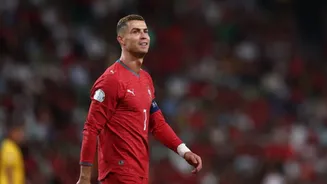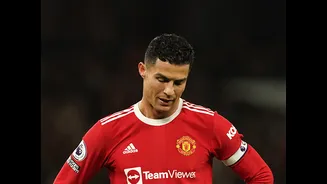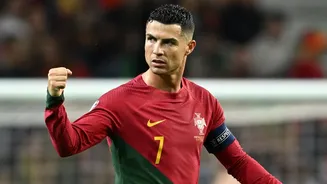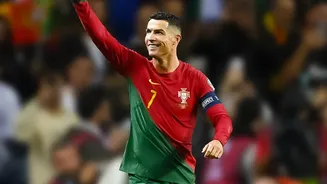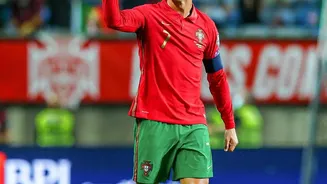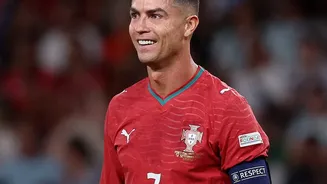



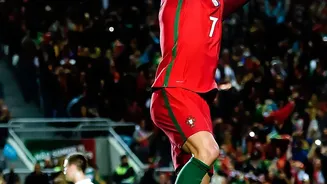
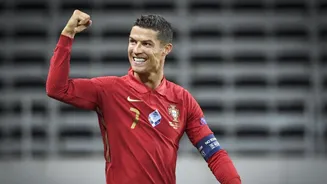
The end of an era has arrived. Cristiano Ronaldo, Portugal's icon and captain, has announced his retirement from international football. The news, while not entirely unexpected for a 41-year-old, comes abruptly amid reports of a rift.
The Final Disagreement
The immediate catalyst
appears to be a dispute with head coach Jorge Jesus in the recent international window. According to multiple reports, Ronaldo left the national team's training camp ahead of a Nations League match against Denmark in September. The fallout stemmed from a disagreement over playing time; Ronaldo was reportedly led to believe he would play a significant part in a prior match but remained on the bench. This perceived broken promise led to him walking out, an act for which he was later suspended for 30 days and fined by the Portuguese Football Federation. While the coach left the door open for a return, it seems the incident was the final straw for the legendary forward.
A Pattern of Shifting Power
This wasn't the first time friction had surfaced between Ronaldo and a manager over his role. The 2022 World Cup in Qatar saw then-coach Fernando Santos make the courageous decision to bench an underperforming Ronaldo during the knockout rounds. The move was tactically vindicated when his replacement scored a hat-trick, but it shattered Ronaldo's relationship with the long-serving manager. When Santos was dismissed after the tournament, Ronaldo notably refrained from joining his teammates in posting tributes, a silence seen by many as a telling snub. These episodes highlight a recurring theme: the difficult transition of a superstar, accustomed to being the undisputed centrepiece, within a team looking to build for the future. Coaches have found themselves in a difficult position, seemingly caught between indulging a legend and making the tactical choices needed for the team to evolve.
The Inevitability of a New Generation
At 41, the physical demands of top-flight international football are immense. Simultaneously, Portugal has cultivated a vibrant and exceptionally talented new generation of players. Stars like Bruno Fernandes, Bernardo Silva, Rafael Leão, and Gonçalo Ramos are no longer just supporting cast members but leaders in their own right at Europe’s top clubs. For the national team management, the focus has inevitably shifted towards empowering these younger talents and building a new core. This strategic pivot means less reliance on a single, albeit legendary, figure. Ronaldo’s retirement can be seen as an acknowledgment of this transition, making way for the next chapter in Portuguese football.
Protecting a Historic Legacy
In his emotional retirement announcement, Ronaldo spoke of his pride and the honour of representing his country for 23 years. This was a player who, before his arrival, saw Portugal as a nation that had never won a major international trophy. He leaves as a European champion (2016), a three-time Nations League winner, and as the all-time leading goalscorer and moststaged player in the history of men's international football. For a player so conscious of his place in history, retiring now allows him to step away on his own terms, rather than fading into a substitute role. It’s a final act of control, ensuring his legacy is defined by two decades of dominance, not by sideline disagreements at the twilight of his career.