


Why Soggy Soil is a Death Sentence
The single most common reason a desert plant dies in a home setting is overwatering. These plants are masterpieces of evolution, designed to thrive in arid conditions, but their adaptations make them extremely vulnerable to constantly wet soil. Unlike
many tropical houseplants, their roots are not equipped to handle prolonged moisture. When soil stays waterlogged, it cuts off the oxygen supply to the roots. This suffocation leads to a condition called root rot, where the roots turn brown or black, become mushy, and die. A plant with rotten roots can no longer absorb water or nutrients, and ironically, it will often start to wilt and look thirsty, even while sitting in wet soil. This can tragically lead well-meaning owners to water it even more, accelerating its decline.
Built for Drought, Not Drowning
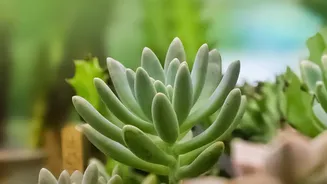
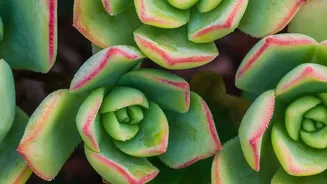
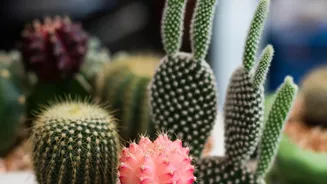
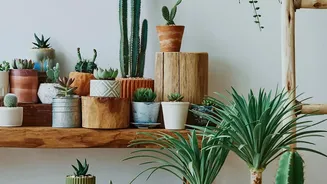
Desert plants have a range of incredible features that allow them to survive long periods without rain. Cacti, aloes, and other succulents store water in their fleshy stems, leaves, or roots. Think of these parts as tiny, perfectly sealed water tanks. The plant's cells are designed to swell and hold this moisture for future use. Many also have a waxy coating on their skin that minimizes evaporation in the hot sun. Their root systems are often shallow and wide, designed to quickly absorb any brief rainfall before it disappears. When you provide too much water too often, you're overriding this entire system. The water-storage cells can burst from being overfilled, leading to soft, mushy, and translucent leaves. The plant is simply not designed to process a constant supply of water.
The Golden Rule: When in Doubt, Drought
For any desert plant, the most important rule to remember is this: it is always safer to under-water than to over-water. A thirsty succulent can almost always be revived. Its leaves might look a bit wrinkled or shrivelled, but a good, deep watering will usually make it plump up again within a day or two. In contrast, a plant suffering from severe root rot is often impossible to save without drastic measures like propagation from healthy leaves or stems. So, if you're ever unsure whether it’s time to water, just wait. Give it another few days, or even another week. These plants are built for neglect and will thank you for your restraint.
How to Water the Right Way
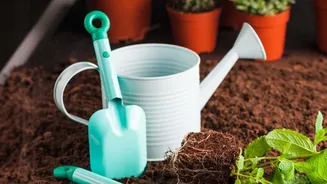
Proper watering isn't about a strict schedule, but about observing your plant and its soil. First, always use a pot with a drainage hole. Second, use a fast-draining soil mix specifically designed for cacti and succulents; regular potting soil holds too much moisture. Before watering, check if the soil is completely dry. You can do this by sticking your finger or a wooden skewer about two inches deep. If it comes out with any moisture, do not water. When it is time to water, use the 'soak and dry' method. Thoroughly drench the soil until water runs freely from the drainage hole. This encourages deep, strong root growth. After soaking, empty any excess water from the saucer. Then, do not water again until the soil is bone dry. During hot weather, you may need to water more frequently, while in cooler months or monsoon humidity, you should reduce watering significantly.
Spotting the Signs of Trouble
Learning to read your plant's signals is key. The signs of an overwatered plant include leaves that are soft, mushy, and may appear yellow or translucent. The lower leaves often turn yellow and may drop off at the slightest touch. An underwatered plant, on the other hand, will have leaves that look wrinkled, shrivelled, and deflated. These leaves will feel soft but not soggy. By paying attention to both the leaves and the soil's moisture level, you can accurately diagnose the problem and adjust your care routine before it's too late.