





Understanding Cold-Pressed Oils
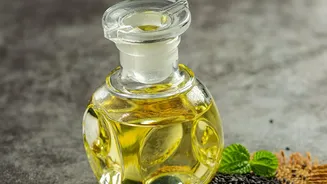
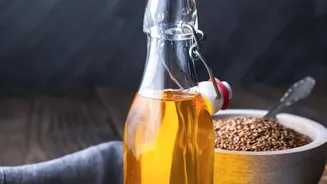
Cold-pressed oils are extracted from seeds or fruits using a mechanical press at low temperatures, without the use of heat or chemical solvents. This gentle process, similar to the traditional 'kachi ghani' method, ensures that the oil retains its natural
flavour, aroma, and, most importantly, its nutritional profile. Because they are not exposed to high heat, these oils are rich in essential fatty acids, antioxidants like vitamin E, and other plant-based compounds called polyphenols. These nutrients are known to support heart health, boost immunity, and reduce inflammation. Common examples include extra virgin olive oil, groundnut oil, sesame oil, and coconut oil. Their rich, distinct flavours make them excellent for dressings, drizzles, and low-heat cooking.
What About Refined Oils?
Refined oils, on the other hand, undergo a multi-stage industrial process designed to create a neutral, long-lasting product. This involves extracting oil using high heat and sometimes chemical solvents, followed by processes like bleaching and deodorising to remove impurities, colour, and odour. While this intensive processing results in a higher shelf life and a more stable product, it also strips the oil of many of its beneficial nutrients, including vitamins and antioxidants. What remains is a product that is often described as providing 'empty calories'. Common examples found in many kitchens include standard vegetable oil, canola oil, and sunflower oil. Their major advantage lies in their versatility and ability to withstand high temperatures.
The Nutritional Showdown
When placed side-by-side, the nutritional difference is clear. Cold-pressed oils are the undisputed winners in terms of nutrient retention. They are packed with healthy monounsaturated and polyunsaturated fats, antioxidants, and vitamins that are largely lost during the refining process. Refined oils are not inherently 'bad', but they lack the robust nutritional benefits of their unrefined counterparts. The primary role of a refined oil is to act as a cooking medium, while a cold-pressed oil can contribute to the nutritional value of your meal. For health-conscious consumers, incorporating cold-pressed oils is an easy way to boost the intake of beneficial compounds.
What is a Smoke Point and Why Does It Matter?
The smoke point is the temperature at which an oil stops shimmering and starts to smoke. This is a critical piece of information for any cook. When an oil is heated past its smoke point, it begins to break down chemically. This breakdown not only creates a burnt, bitter flavour that can ruin your food but also releases harmful compounds, including free radicals. These substances can contribute to oxidative stress and inflammation in the body. Repeatedly heating oil past its smoke point can even generate carcinogenic compounds like polycyclic aromatic hydrocarbons (PAHs). Therefore, matching the oil's smoke point to your cooking method is essential for both taste and health.
A Practical Guide to Cooking with Oils
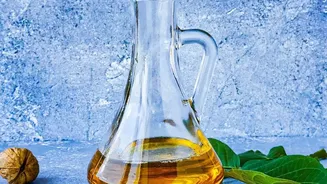
The key is to use the right oil for the right job. Refined oils, having had their impurities removed, generally have higher smoke points, making them suitable for high-heat cooking methods. Unrefined, cold-pressed oils have lower smoke points and are best for applications where heat is low or not used at all. High-Heat (Frying, Searing, Stir-frying): Use refined oils with high smoke points. Good choices include refined avocado oil (around 270°C), refined safflower oil (266°C), and refined peanut oil (232°C). Refined vegetable, corn, and sunflower oils are also common choices. Medium-Heat (Sautéing, Baking, Roasting): Refined olive oil, refined coconut oil, and ghee (clarified butter) work well in this range, typically between 200°C and 230°C. Low-Heat and No-Heat (Dressings, Drizzling): This is where cold-pressed oils shine. Use extra virgin olive oil, cold-pressed sesame oil, flaxseed oil, and walnut oil for salads, dips, and finishing dishes to preserve their nutrients and flavour.