








From Medical Necessity to Wellness Trend
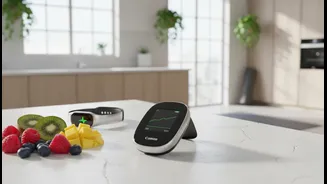
Continuous glucose monitors (CGMs) are small, wearable sensors that are changing the wellness landscape in India and beyond. Traditionally used by people with diabetes to manage their condition, these devices are now being adopted by a growing number
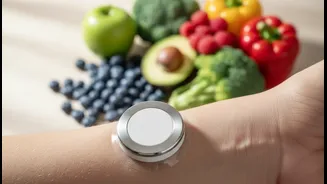
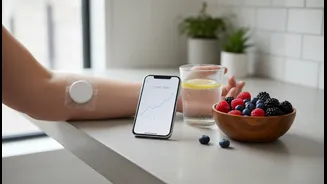
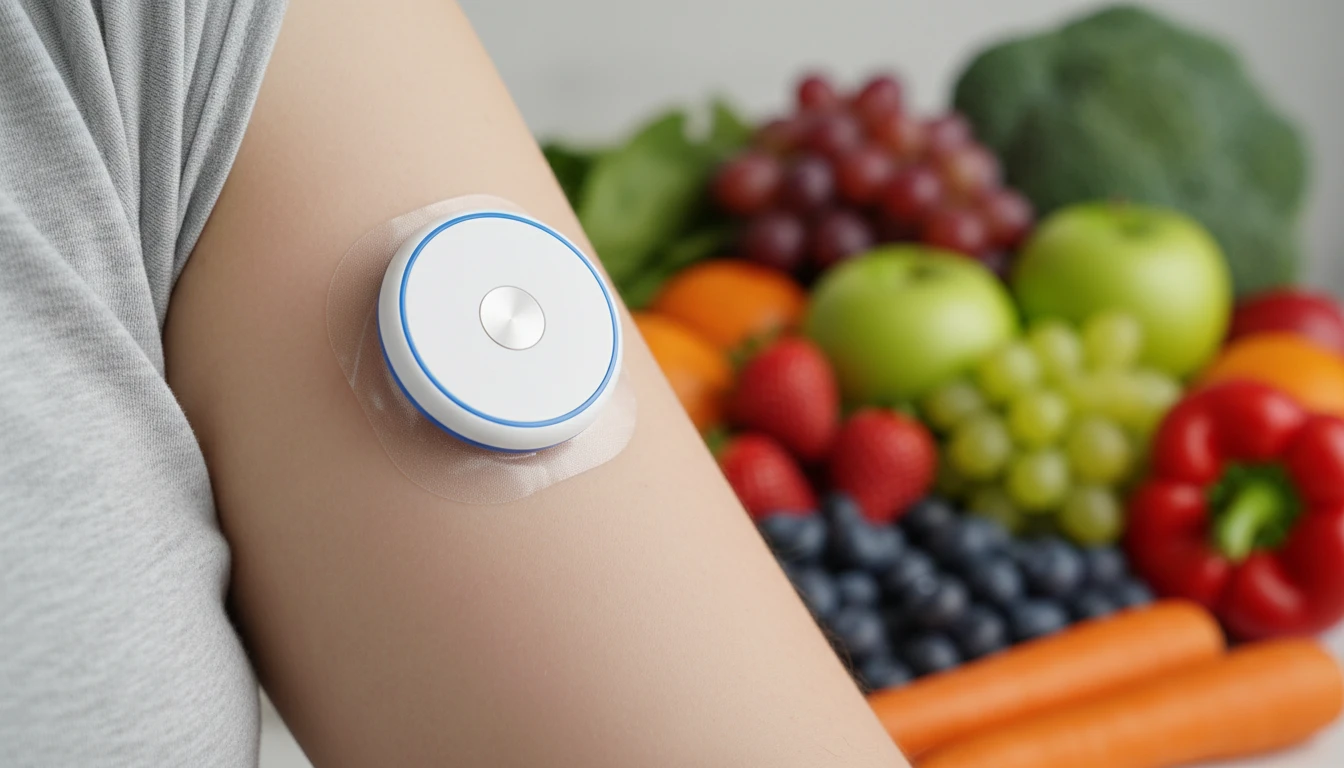
of health-conscious individuals without diabetes. Companies like Ultrahuman, a Bengaluru-based startup, are at the forefront of this trend in India, offering CGMs as part of a broader metabolic health platform. A CGM consists of a tiny sensor, usually worn on the back of the arm or stomach, that measures glucose levels in the fluid just under the skin. This data is sent to a smartphone app every few minutes, providing a continuous stream of information about how your body's blood sugar responds to meals, exercise, stress, and sleep. This move from niche medical device to a mainstream wellness tool gives users unprecedented insight into their personal biology.
The Power of a Personalised Report Card
The main appeal for non-diabetics is the power of personalised data. Instead of relying on generic dietary advice, users can see exactly how a bowl of oats versus a plate of idli affects their energy levels. Many are surprised to find that seemingly 'healthy' foods can cause significant glucose spikes, leading to afternoon slumps and cravings. This real-time feedback loop can be a powerful motivator for behavioural change. Seeing a direct link between a late-night snack and a poor night's sleep, or how a post-meal walk can stabilise glucose levels, encourages healthier habits. For athletes, it offers a way to optimise fuelling for peak performance, while for others, the goal is simply to achieve more stable energy throughout the day and reduce long-term risks associated with poor metabolic health.
A Window Into Your Metabolic Health
Proponents argue that monitoring glucose variability is a proactive step towards better long-term health. Unmanaged blood sugar spikes, even in people without diabetes, are linked to inflammation and an increased risk of chronic conditions over time. In a country like India, which has over 100 million people with diabetes and a significant pre-diabetic population, tools that promote early awareness and lifestyle modification are particularly relevant. Studies using platforms like Ultrahuman have shown that CGM data can help differentiate between non-diabetic and pre-diabetic individuals and that a user's 'metabolic score' correlates with clinical markers for insulin resistance. The idea is to catch metabolic dysfunction early and correct it with lifestyle changes before it progresses to a more serious state.
A Word of Caution: Cost and Context
Despite the benefits, experts urge a balanced perspective. A major barrier is cost, as these devices are not typically covered by insurance for non-diabetics and can run into several thousands of rupees per month. More importantly, there are concerns about the psychological impact. Constant data monitoring can lead to anxiety or an unhealthy obsession with 'perfect' glucose levels, potentially fostering disordered eating habits. Experts also caution that glucose is just one piece of the complex health puzzle. There's a risk of misinterpreting the data without professional guidance, as normal glucose fluctuations can be mistaken for problems. In fact, clinical experts show high levels of disagreement when interpreting CGM data from healthy individuals, highlighting the need for better guidelines.