

The Monsoon Watering Paradox
August gardening in India is defined by the monsoon. While the rains provide natural irrigation, they also bring high humidity, overcast skies, and the constant threat of waterlogged soil. This combination can be more dangerous than summer heat. Overwatering
is the biggest killer of plants during this season. When roots are constantly submerged, they can't absorb oxygen, leading to root rot, yellowing leaves, and fungal diseases that thrive in damp conditions. The goal is to maintain soil moisture without letting it become saturated.
Abandon the Schedule, Trust Your Hands
The most important tool for August watering is your finger. Forget watering on a fixed daily or alternate-day schedule. Before reaching for the watering can, push your finger about an inch or two into the soil. If it feels moist, hold off. If it feels dry to the touch, then it's time to water. Plants exposed to heavy rain might not need any manual watering for several days, while small terracotta pots or hanging baskets under a covered balcony might dry out faster, especially during a sunny break.
Drainage is Everything for Potted Plants
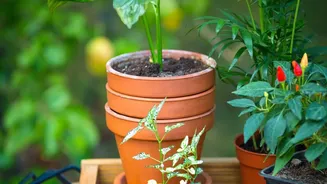
For container gardens, success in August hinges on excellent drainage. Ensure every pot has multiple, clear drainage holes. Blocked holes are a primary cause of waterlogging. You can elevate your pots on bricks or pot feet to prevent them from sitting in puddles and to improve airflow underneath. If water collects in the saucer after rain, empty it immediately. Using a well-aerated potting mix amended with sand or cocopeat also helps excess water pass through freely.
Protect Against Fungal Threats
High humidity makes August a prime month for fungal diseases like powdery mildew, leaf spot, and blight. Careful watering is your first line of defence. Always water the soil at the base of the plant, not the leaves. Wet foliage, especially overnight, creates a perfect breeding ground for fungus. Watering early in the morning is ideal, as it gives the leaves a chance to dry out during the day. Improving air circulation by not overcrowding plants can also significantly reduce the risk of infection.
Special Care for Vegetables and Flowers
Vegetable patches have specific needs during this time. Gourds like lauki and karela thrive in the humidity but need their fruits kept off the wet ground to prevent rot. Leafy greens such as spinach and amaranth grow quickly but can be sensitive to intense rain, so a sheltered spot might be better. For flowering plants like hibiscus and marigolds, which grow well in the monsoon, ensure they are in well-draining soil and prune any yellowing or diseased leaves promptly to encourage healthy growth.